It was a fishing holiday and an opportunity to experience a country I had long wanted to see. However, as is often the case when travelling, it was the people I met and the experiences I had with them that left the greatest impression.
The communities I visited live much closer to the land than most of us do in Australia. The surrounding bush and waterways are not simply places to visit on a weekend. They provide food, transport and many of the materials needed in everyday life. Knowledge of the animals, the country and the seasons is not merely interesting; it is essential.
Despite coming from two very different worlds, it did not take long to discover that we had something important in common.
Hunting.
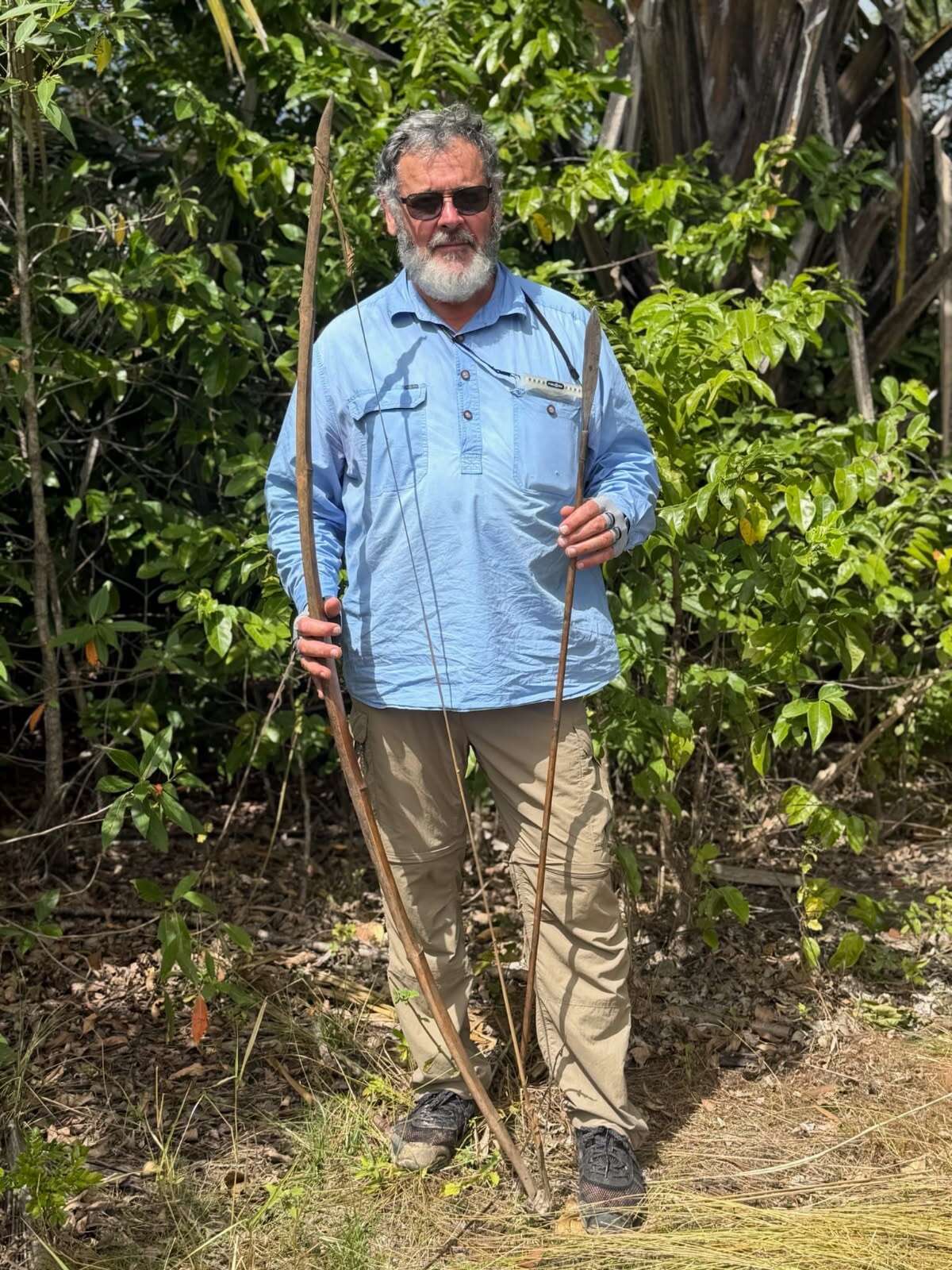
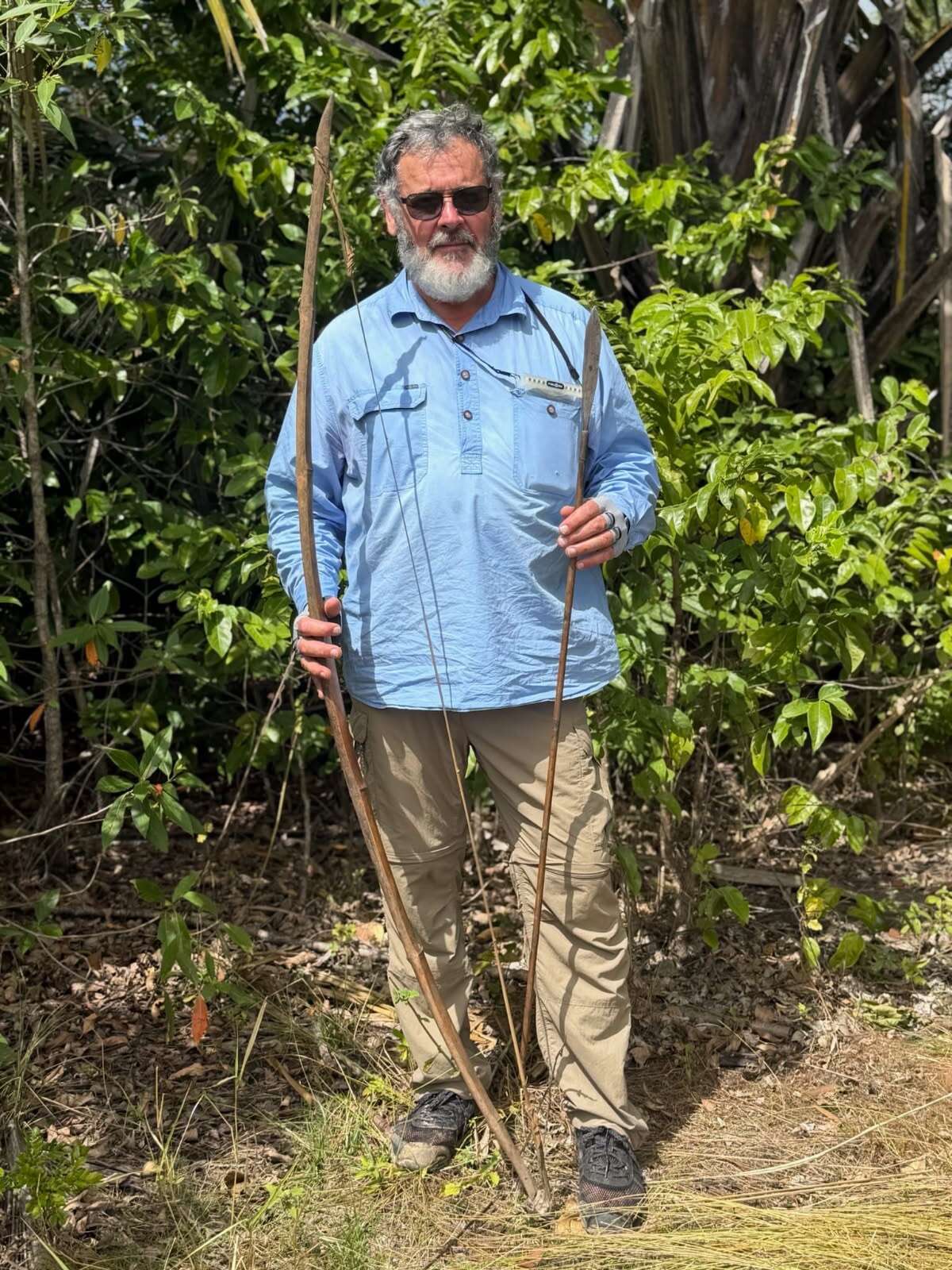
I was fortunate to spend time with local hunters and watch them hunting rusa deer using skills, methods and knowledge passed down through generations. Their equipment and circumstances were very different from what most Australian deer hunters would recognise, but the fundamentals were remarkably familiar.
They know the country and understand the animals. They worked with their dogs, watched the wind and moved through the bush with purpose. They knew where the deer were likely to be and how they would react.
You don’t have to speak the same language to understand what is happening.
The smiles, gestures and stories told around hunting carried meanings that any hunter could recognise. There was the anticipation before setting out, the concentration while hunting the country and the satisfaction of returning with meat that would be shared and put to good use.
Hunting really is a universal language.
In Australia, we often talk about hunting in the context of recreation, deer management, access to public land and the continuation of our way of life. These are all important, and they remain at the heart of the work undertaken by the Australian Deer Association.
In Papua New Guinea, however, I was reminded that hunting can hold an even more immediate place in people’s lives. It provides sustenance. A successful hunt helps feed families and communities. The connection between the hunter, the animal and the food is direct and clearly understood.
There is nothing manufactured about it.
It was also interesting to see how hunting knowledge sat within a much broader understanding of the natural world. One particularly memorable moment involved examining an enormous crocodile skull. Our shared interest in nature and the animals that have inhabited these landscapes became another point of connection.
Again, different backgrounds did not matter. Curiosity took over.
Standing together and examining that skull, or comparing the hunting tools we each understood, reinforced how easily people can find common ground when they share a genuine interest in nature and the outdoors.
The local hunters were generous with their time and knowledge. They allowed me to see their country through their eyes and better understand the role hunting plays within their communities. It was not presented as a performance for a visitor. It was simply part of life.
That experience caused me to reflect on how hunting is sometimes portrayed here at home.
Too often, people who have become disconnected from the source of their food find it difficult to understand hunting. Yet, across cultures and throughout human history, hunting has helped sustain communities, pass knowledge between generations and create a deep understanding of the natural environment.
For those of us who hunt, that connection remains.
Our circumstances may be very different from those of the hunters I met in Papua New Guinea, but many of the values are the same. We respect the animals we hunt. We value the meat they provide. We enjoy time spent outdoors with family and friends, and we understand that the best knowledge of the bush is developed by being part of it.
That is why protecting hunting matters.
It is about more than our next trip or the opportunity to take a deer. It is about keeping a connection between people, nature and food that has existed for countless generations.
My visit to Papua New Guinea provided many memorable experiences, but the friendships formed through our shared love of hunting and the outdoors will remain with me most.
We may have come from different worlds, used different tools and spoken different languages, but when it came to hunting, we understood one another.
That’s the thing about a universal language. You don’t need the same words to speak it.