RESEARCH Rupe Hoskin
In France, the best hunting for roe deer (‘le chevreuil’) is in late July when the bucks (‘le brocard’) have good antlers and are feeling romantic, with a tendency to be incautious, one track-minded and easier to outsmart. I remember a similar stage of life only too well. This is also the end of the busiest working time of year, and a perfect way to celebrate the pivot into summer holidays. Roe deer are abundant throughout France and hunting is accessible and affordable. In this case, I’d arranged it through a hunting agency at a Game Fair - great events in France, with a vast array of equipment on display, often with the opportunity to test weapons on running boar or clay pigeon ranges, plus loads of beautiful artwork, food, clothing and other very tempting ways to bring home some of the rich culture that exists around hunting in Europe. Well worth thinking about for hunters planning a European holiday. For example, the Game Fair at Lamotte Beuvron occurs annually in late June, a couple of hours south of Paris.
Hunting in France (and Europe more generally) is more intricately managed than we are used to in Australia. A communal forest will have multiple interested parties, interacting in different ways that are actively kept in balance. Someone will have a contract to manage and harvest the timber, someone else to form a hunting society and manage the game, the public will have access for recreation, and surrounding farmers will be impacted by game coming out of the forest onto their crops. Annual hunting plans are set regionally, based on assessed populations of each species, with tags and seasons. Around 600,000 roe deer are taken by hunters annually, which is around 75% of the allocated quotas. Individual hunting permits are relatively expensive, ranging from around AUD$250 - $700 annually, depending on species hunted and locations covered. Interestingly, these fees are partially used to compensate farmers for crop damage from game, in a way that incentivises regional hunting federations to fulfil their quotas. As I was to discover, it also funds the cost of local trackers and their hounds who are on call to help find wounded game.
I’d seen lots of roe deer around France and was keen to get a trophy buck. Roe deer are dainty animals, with a full-grown buck standing around 80 centimetres at the shoulder and weighing up to 35 kilograms. I’d selected Haute Marne, a scenic region only three hours’ drive from Paris. I was greeted on arrival by my host François, the President of the local hunting society. After a briefing, we headed into the communal forest.
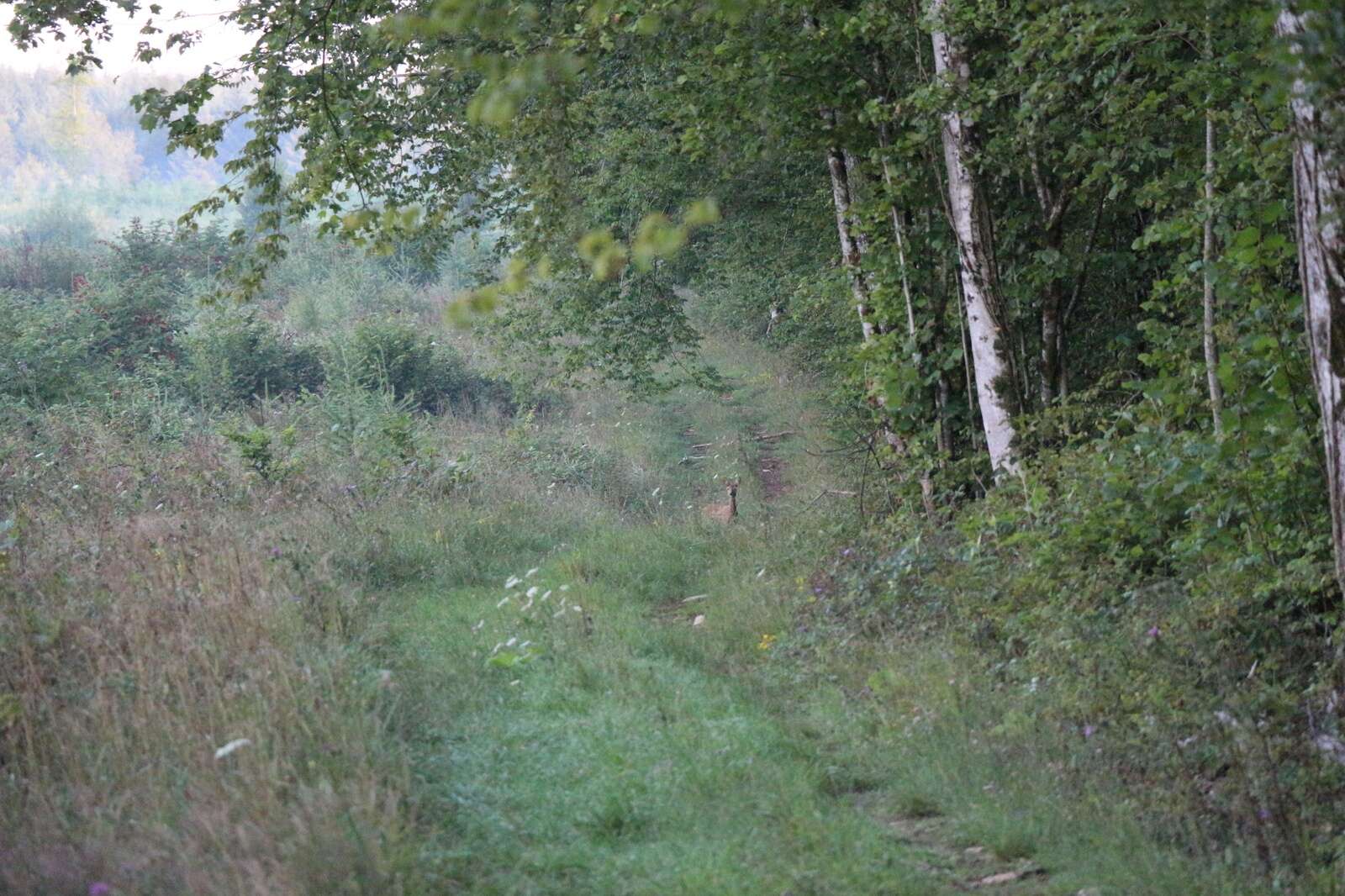
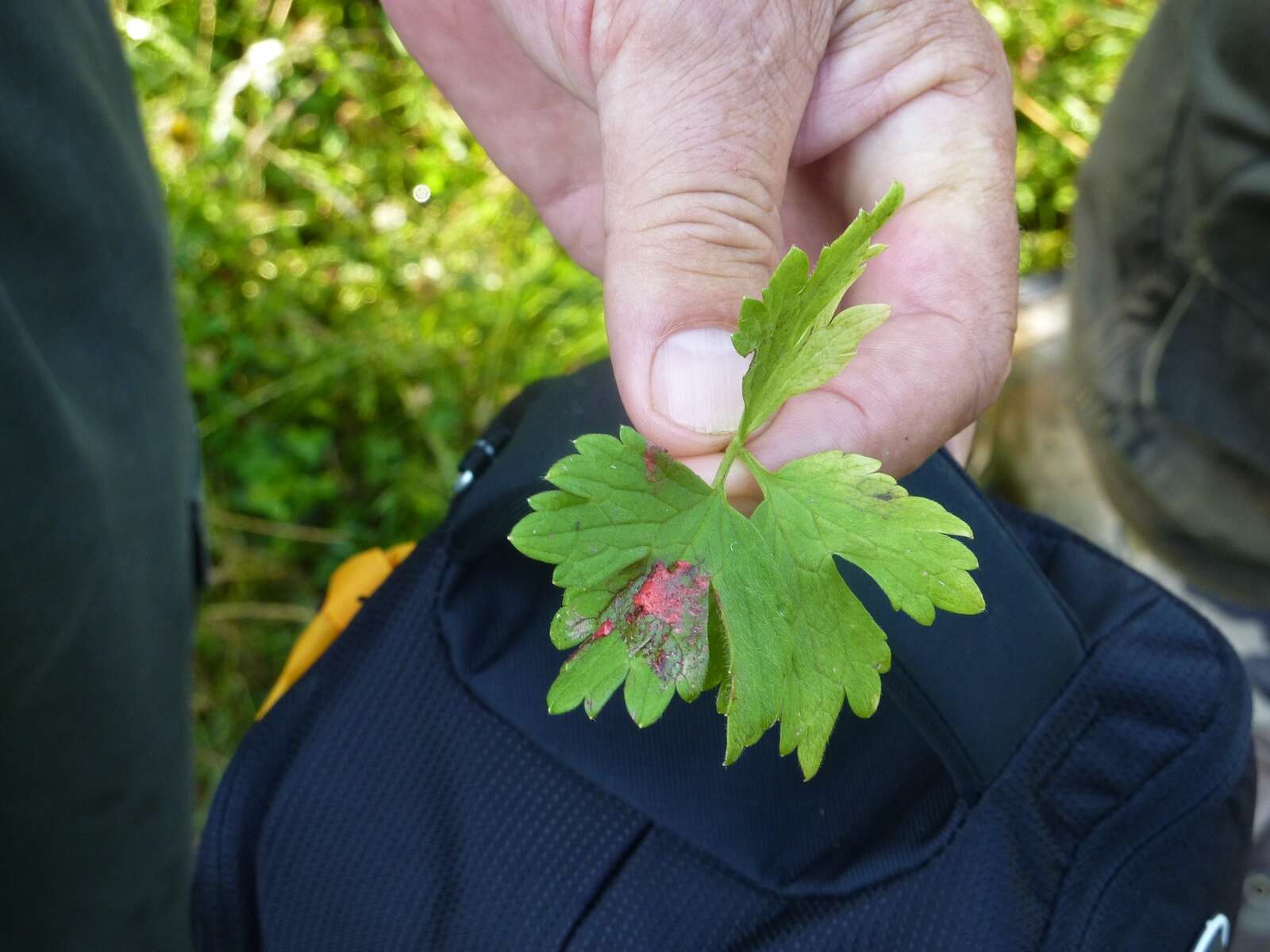
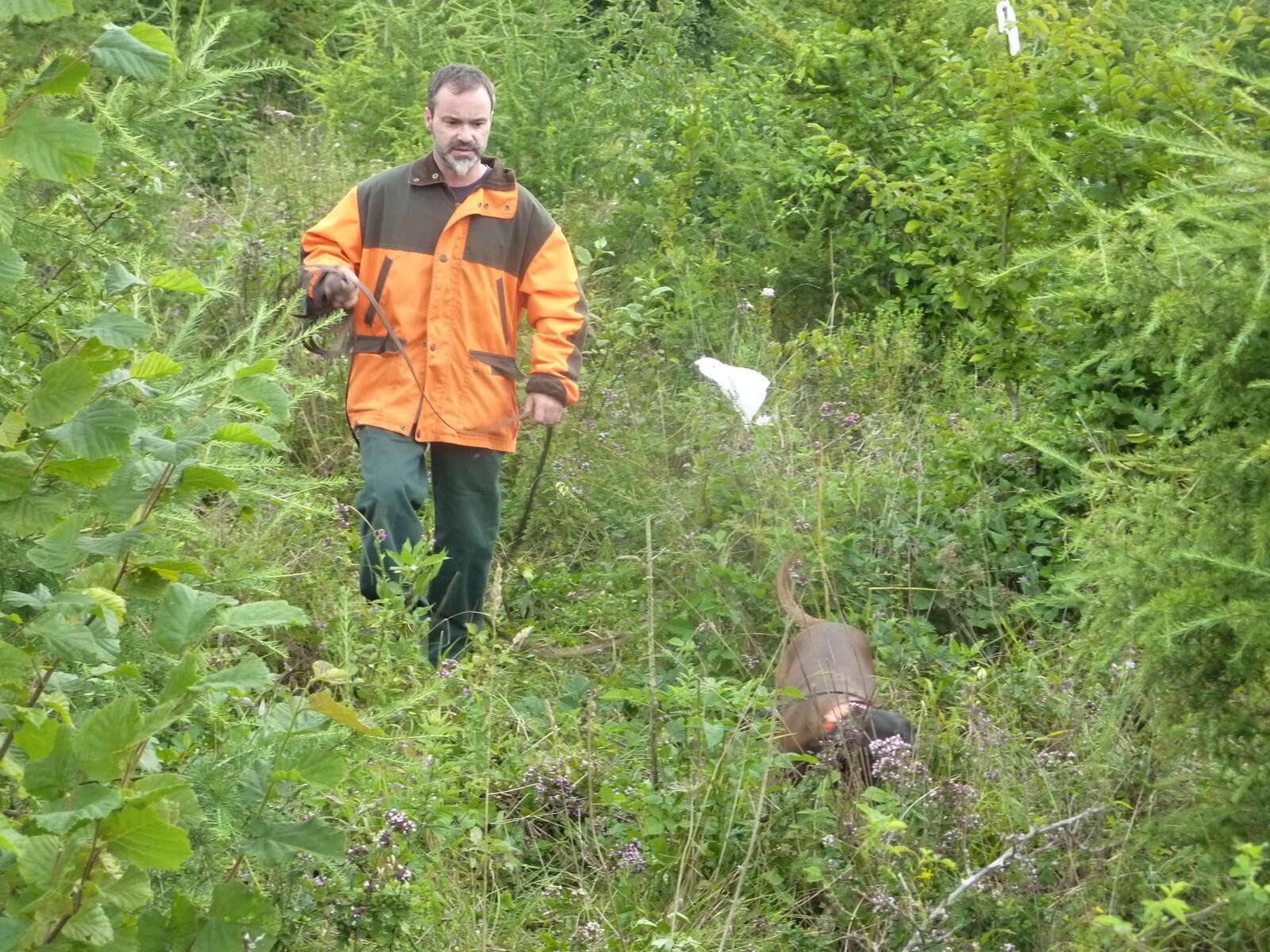
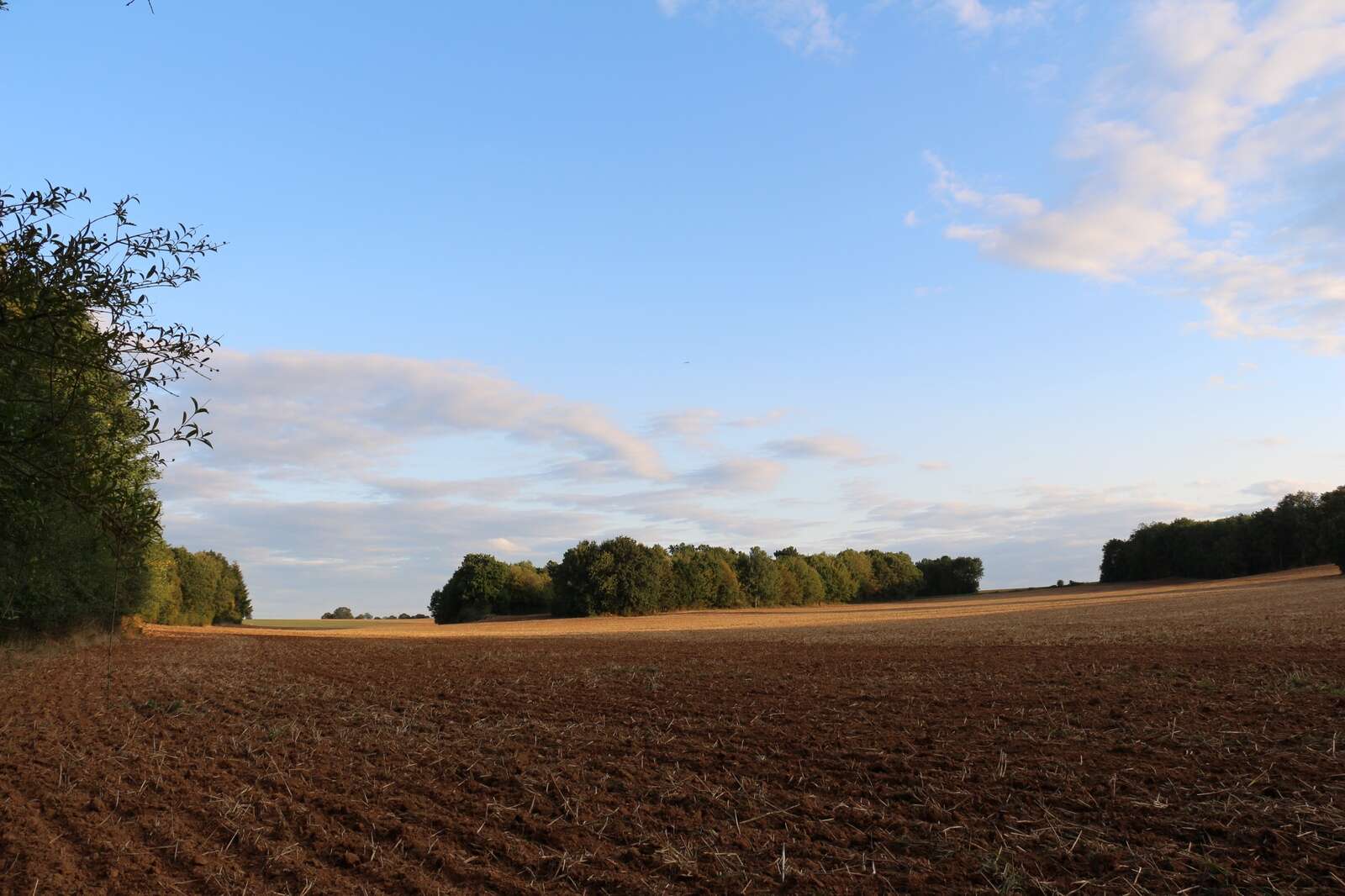
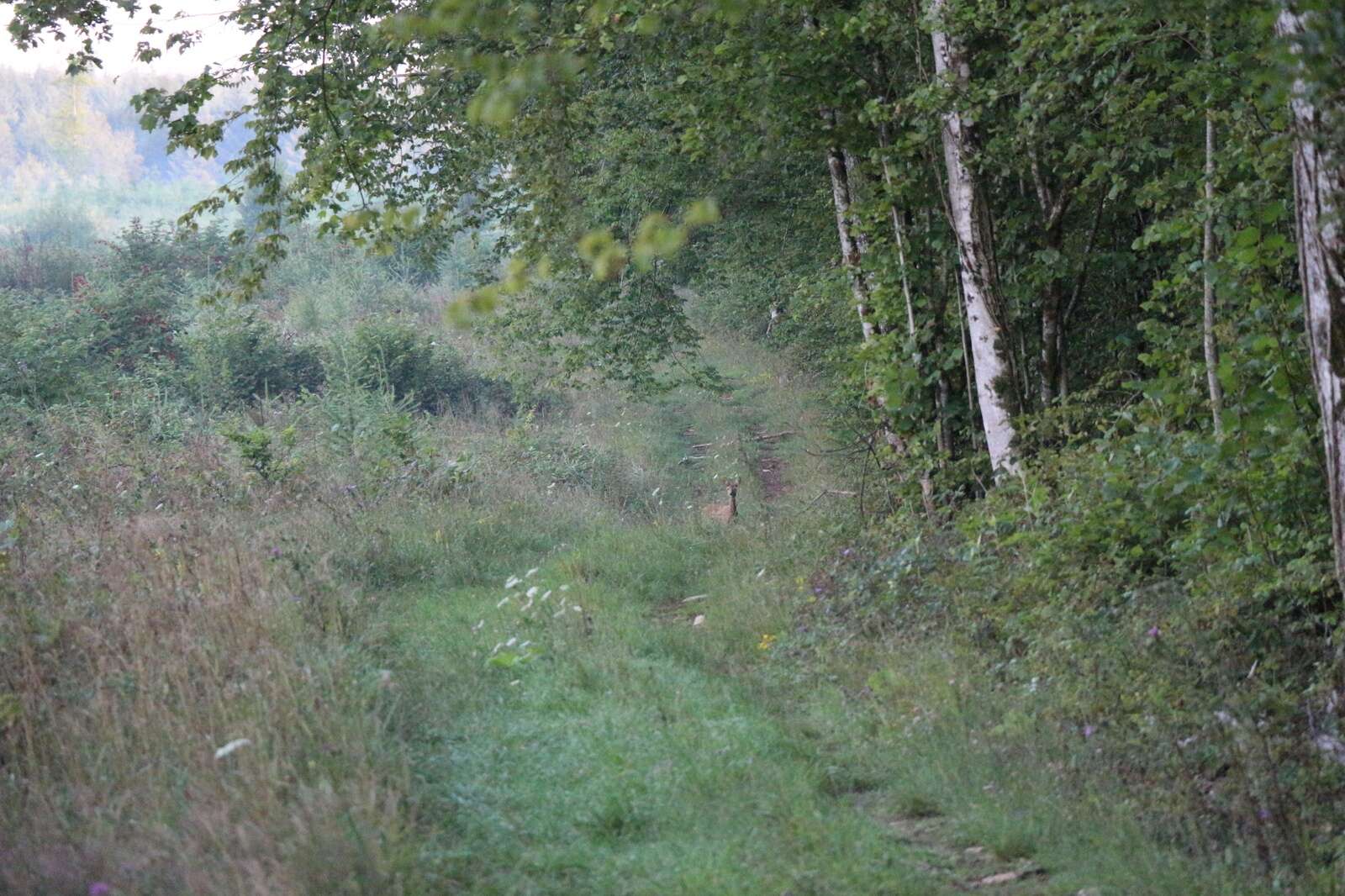
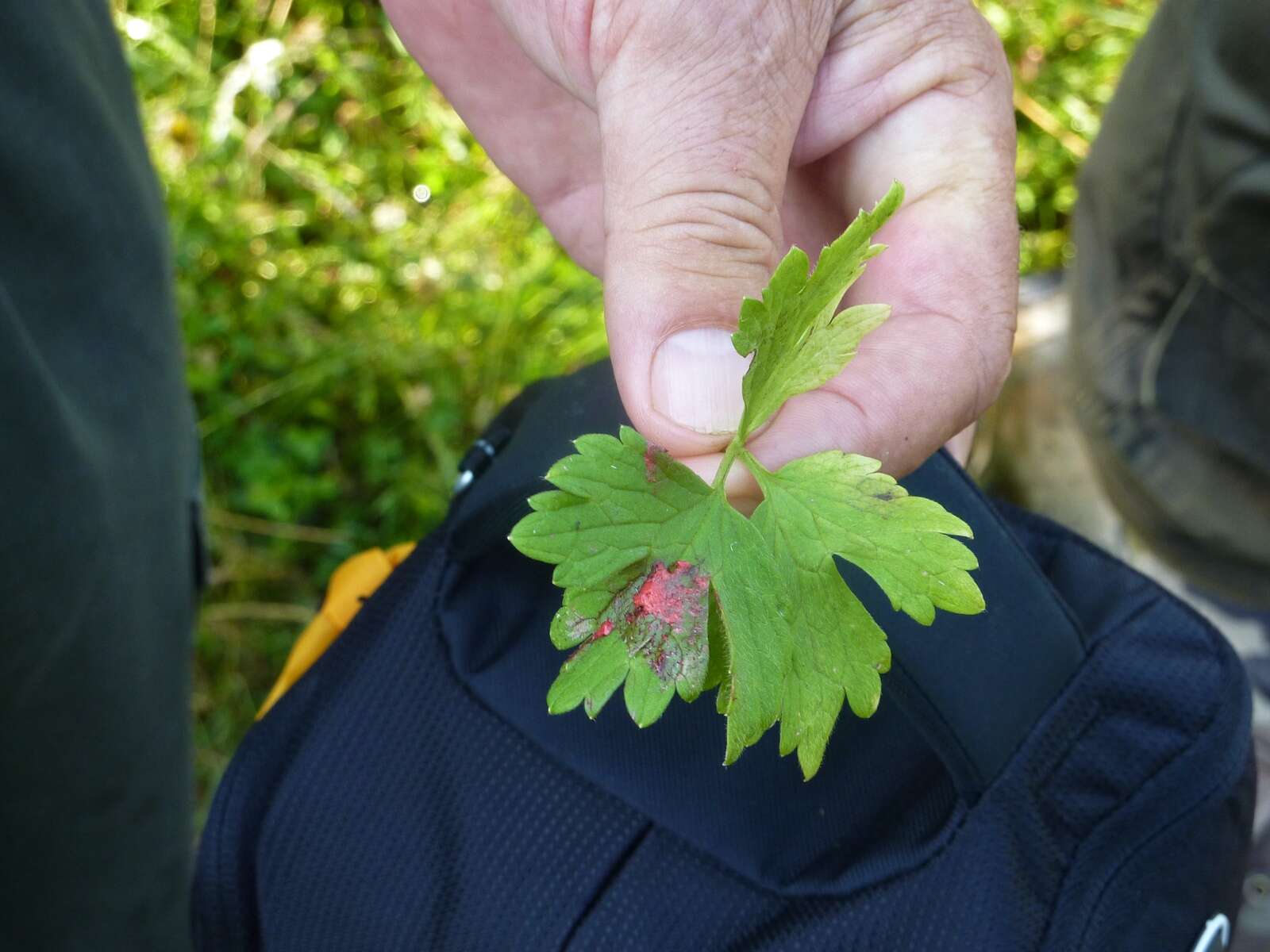
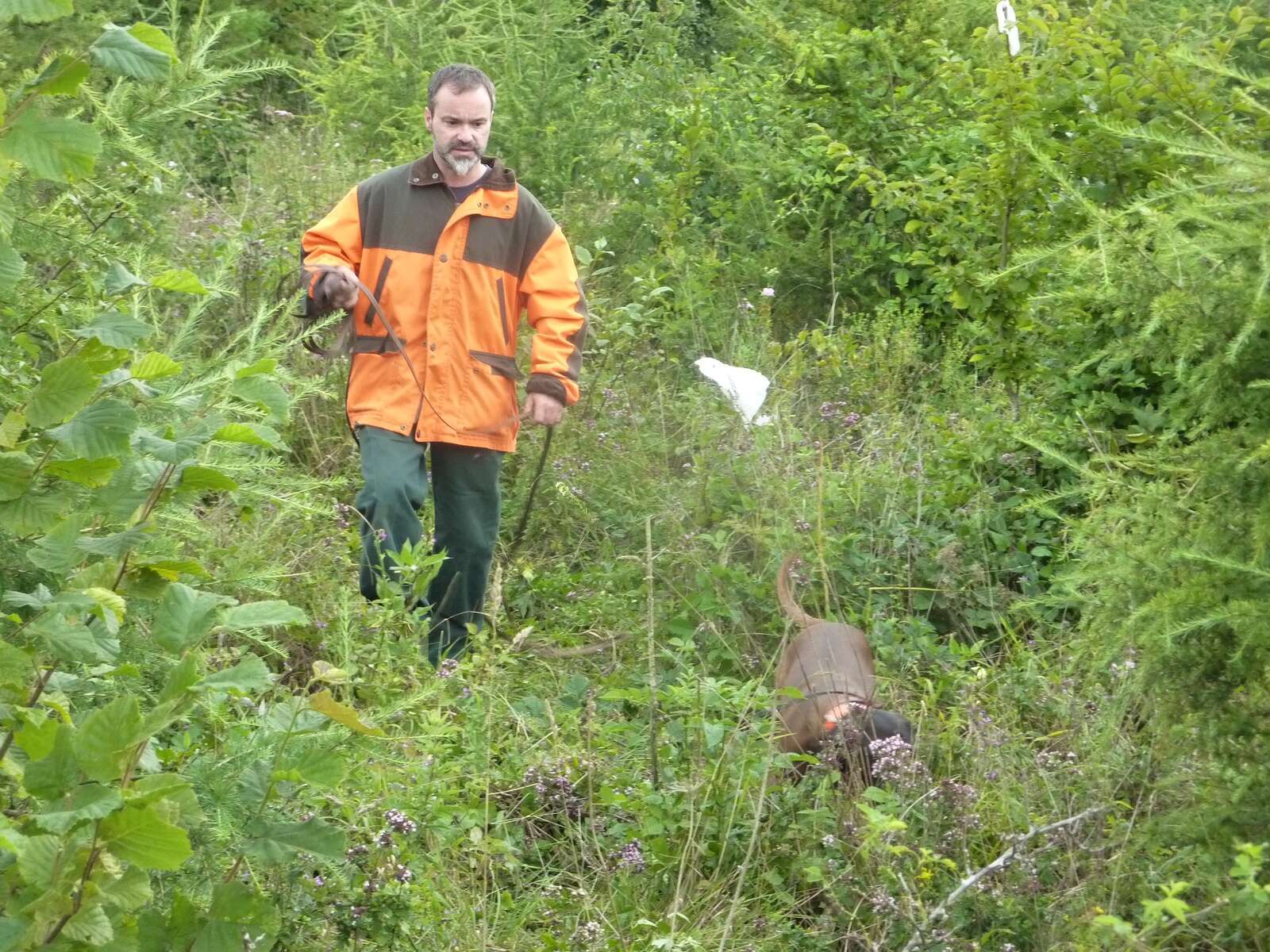
The forest was large, mostly deciduous woods, with stands of pine trees at various stages of cultivation, with many internal tracks and clearings, all surrounded by open cropland. Plenty of space for me to hunt, with many options for stalking (‘Chasse à l’approche’) or lying in wait (‘Chasse à l’affût’). It wasn’t long before we saw a fox then some female roe deer, which barked at us quite loudly. We were heading back to the car when I spotted a doe ahead of us on the track and then glimpsed the antler tips of a buck moving towards her through some low scrub. François indicated that he was a good one and that I should shoot. He was only 40 metres away, so I made ready and fired when he emerged into a clearing. I fully expected him to drop on the spot, but all we found was a large blood spot on some leaves. In hindsight, I think I’d failed to allow for his movement and shot him too far back. Such an awful feeling, especially when François had made a big deal of me being Australian. I really felt I’d let the side down. We searched for a while, then François pulled out his phone and called a local tracker, who appeared within the hour with three hounds and GPS collars. They found the trail and followed it into some tangled scrub then pushed in as far as they could, but no joy. They searched again the next morning but still nothing.
François explained that my tag (and fee) would be considered expended, but that I would be welcome to come back for another go and to stay in the hunting lodge in the middle of the forest. Certainly yes, I’d got a taste for this beautiful place and way of hunting, and I really wanted to redeem myself. It was a pensive drive back to Paris, reflecting on what had gone wrong, reminding myself that such is life (and hunting), and resolving to do better next time.
A few weeks later I returned with my Bullecourt hunting buddy Eric, each with tags. We unpacked our gear in the lodge then set off separately for an afternoon hunt. I sat for a while overlooking some fresh crops in a small clearing – good preparatory work by François and the hunting society. I was rewarded when a mob of does emerged gracefully from the forest to graze. Despite little hunting pressure, they are very cautious. I enjoyed quietly observing them and seeing just how constantly they scan their surroundings and react to every slight noise, scent or unusual sight. I moved on, following the inside edge of the treeline, until I encountered an intriguing anvil-shaped inlet of cropped land into the forest edge, with tasty looking green shoots and plenty of deer tracks. It seemed like heaven for roe deer so I decided to hunt there in the morning.
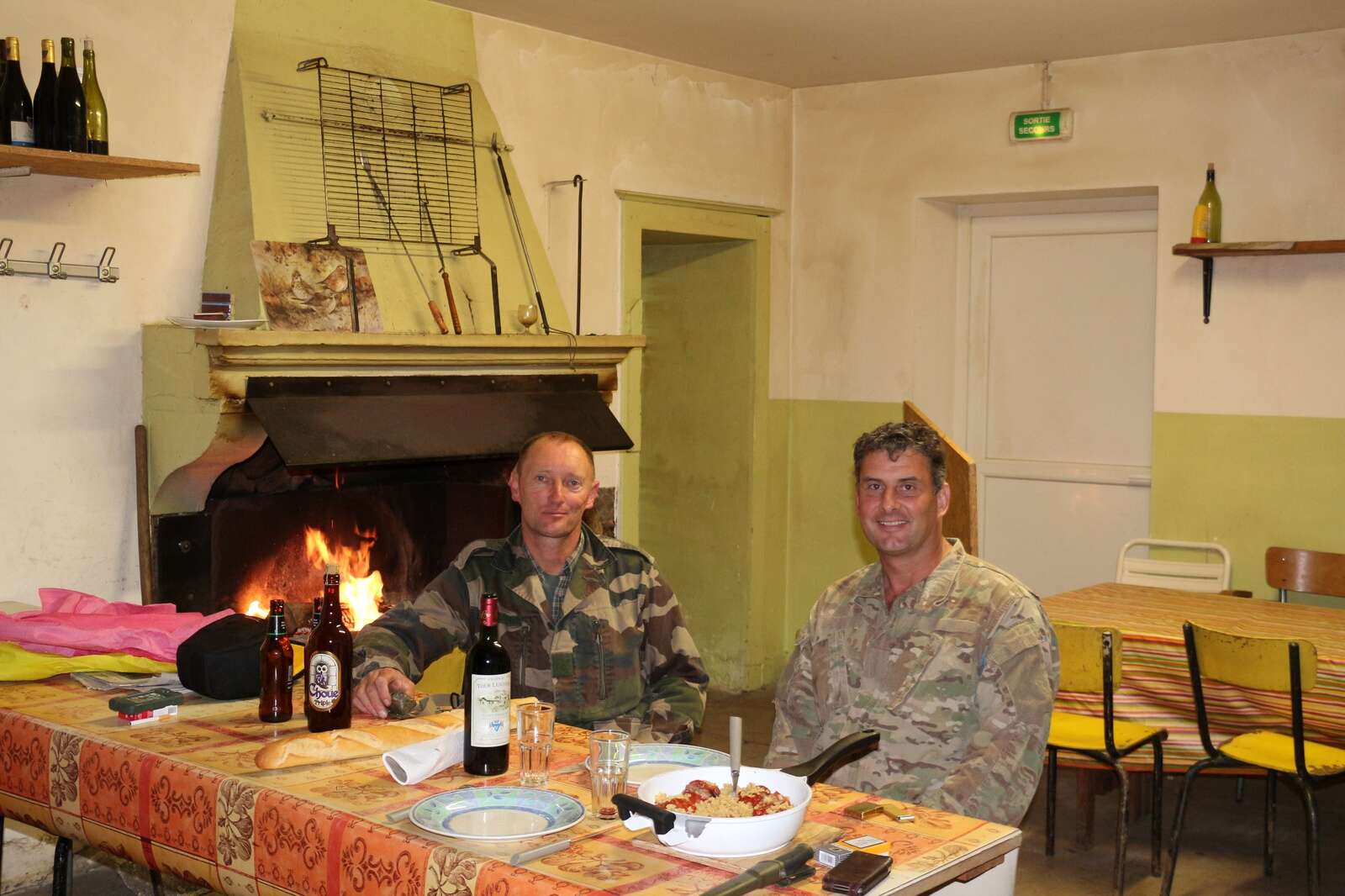
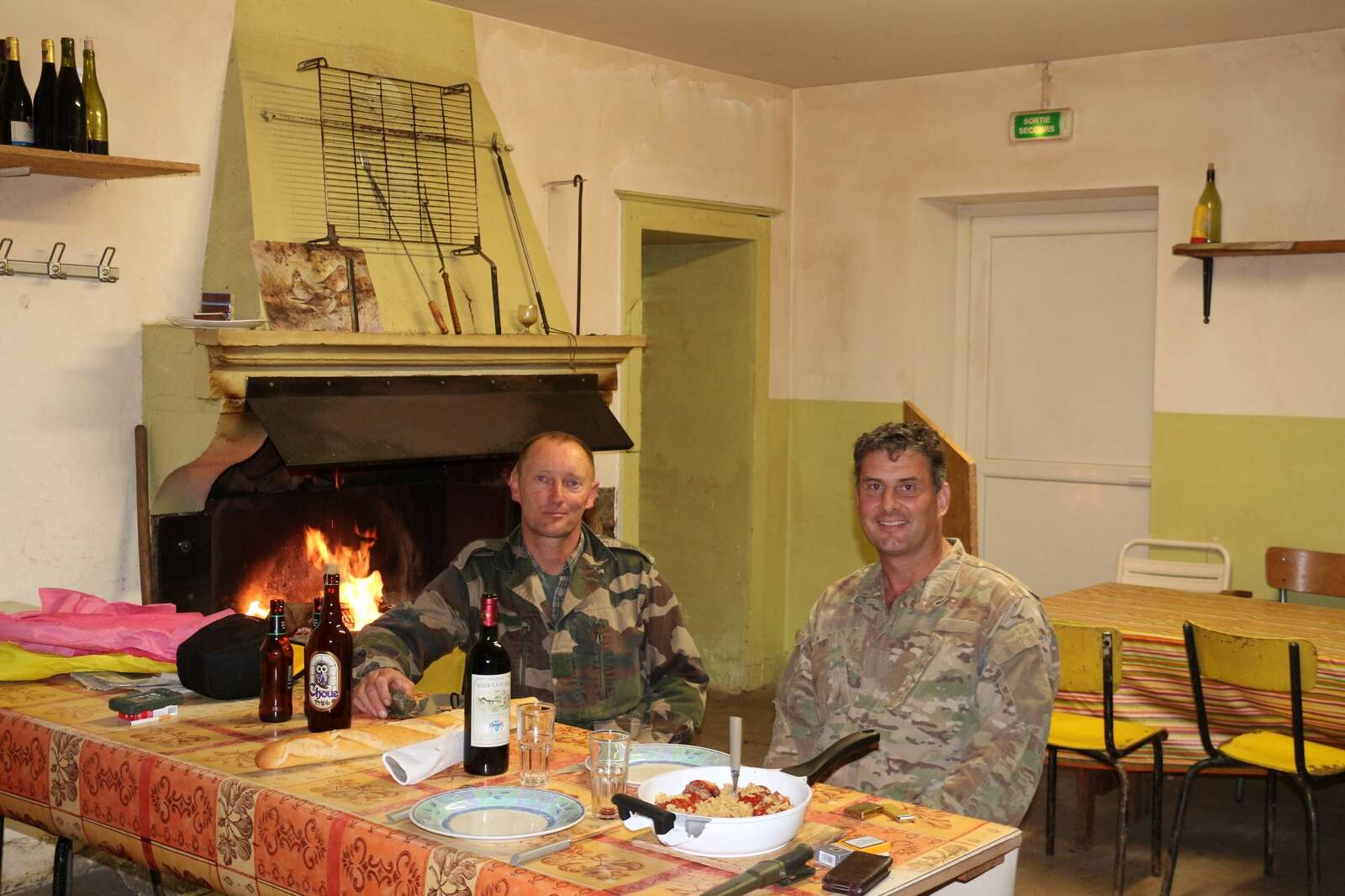
Dinner in the lodge that night was very cheerful, with the open fire roaring heartily (if superfluously on a summer evening). Eric’s wife Sabine had prepared us a great meal of hare pâté and stuffed tomatoes, with a perfect accompanying bottle of red. There were no beds in the lodge, but a couple of Aussie swags made for a comfortable night.
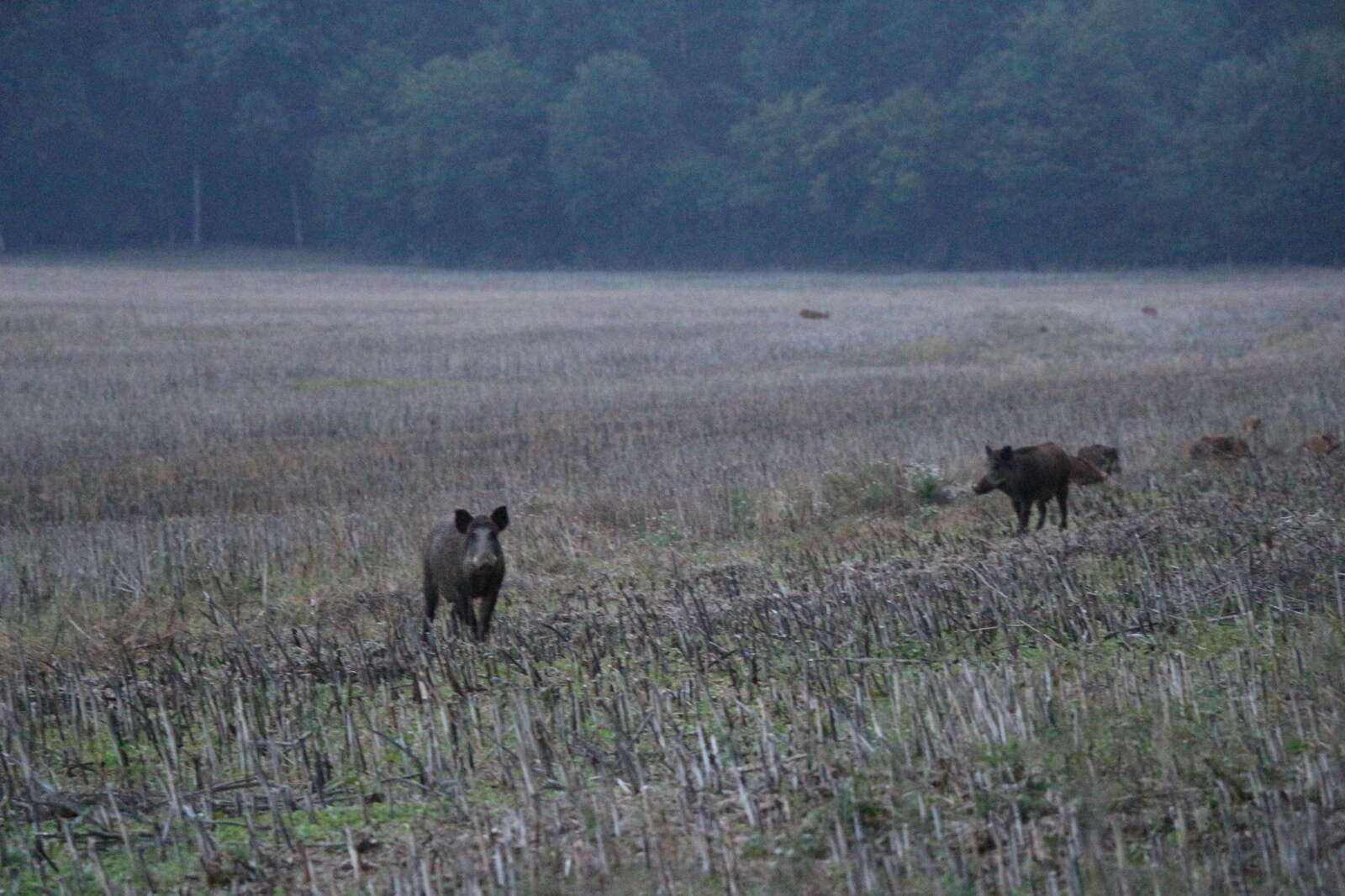
At first light, I crept along the edge of the forest, encountering a mob of wild boar grazing on the crops and a couple of roe deer hinds making their way to the anvil. I could see more deer in the anvil itself, hopefully including a buck, but my challenge was to get into a shooting position. The forest there was too thick for a quiet approach to the interior of the clearing itself, so I did my best to creep along to the opening. It was a tough ask, as I was unable to see clearly or shoot until I was only 30 metres or so from the deer, and they proved far too alert. I sat down for a think, pondering my next attempt. Across from the anvil there was an island of forest in the cropland, perfectly located to see into it from within rifle shot. Perfect, and I headed back to the lodge with a plan clear in my mind.
Eric had had a similar morning, seen several deer but no bucks in shootable positions. The middle of the day was well-spent, taking in a hearty lunch at a nearby restaurant, and then a snooze back at the lodge. A most gentlemanly way to hunt.
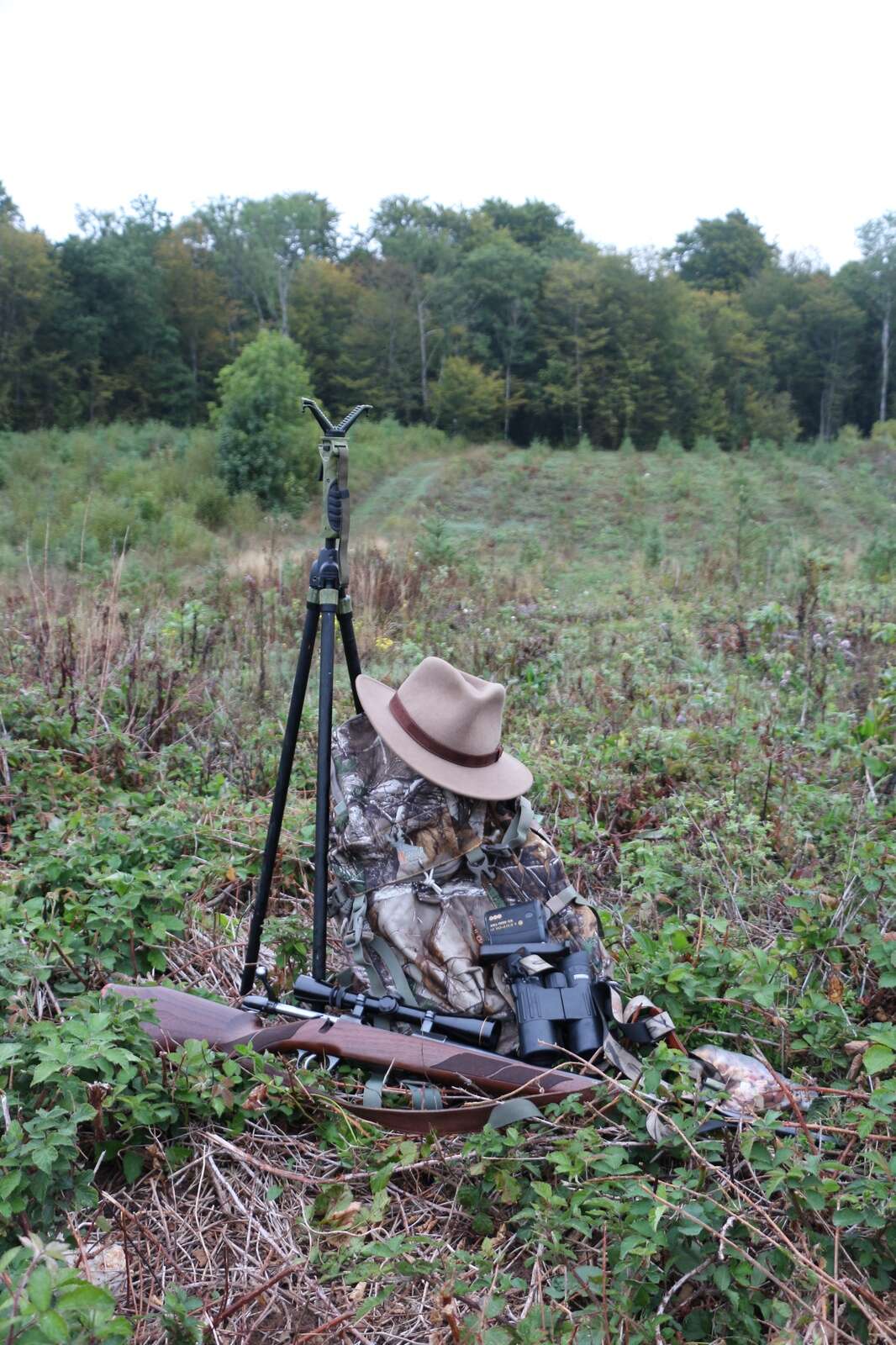
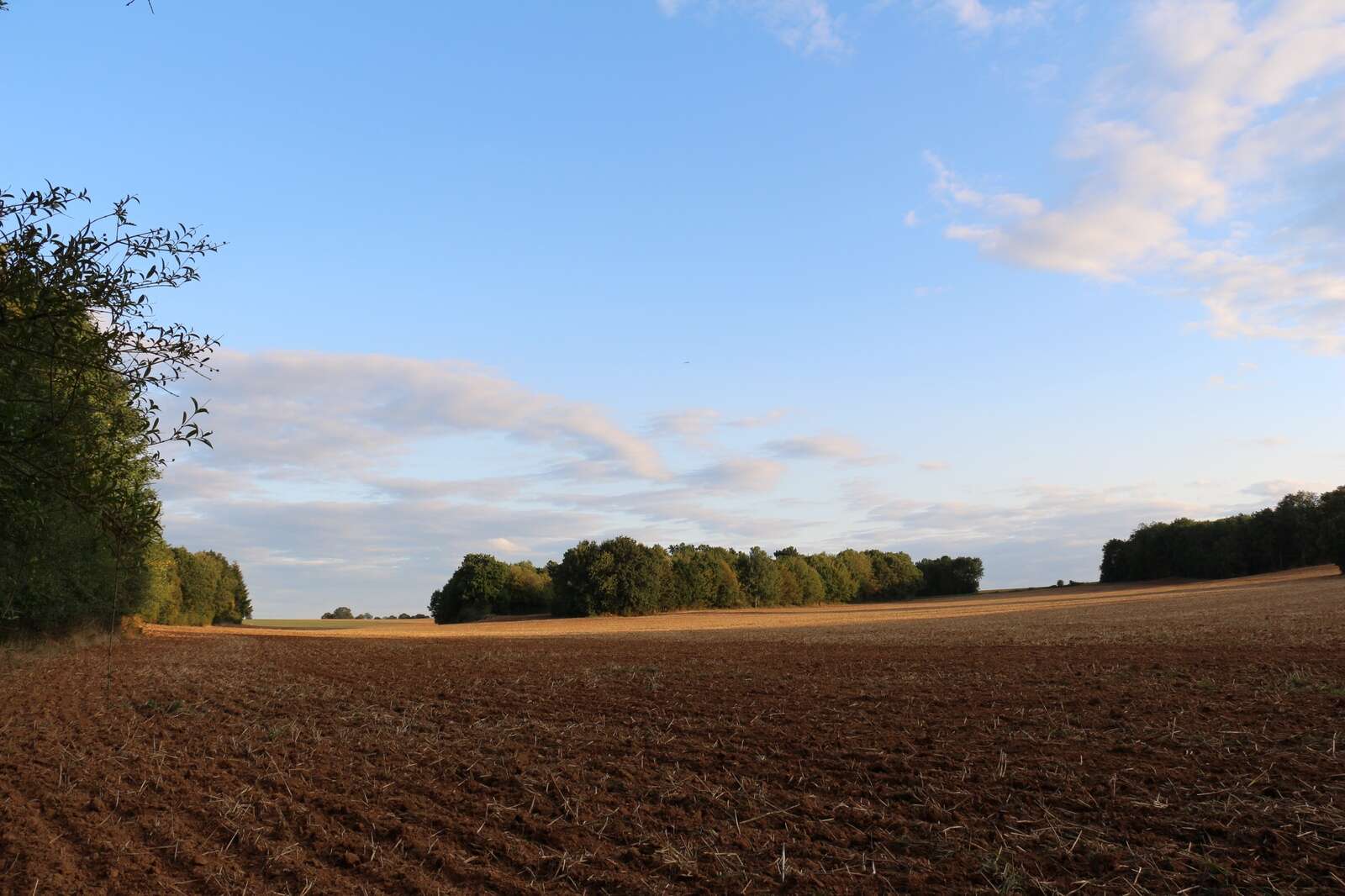
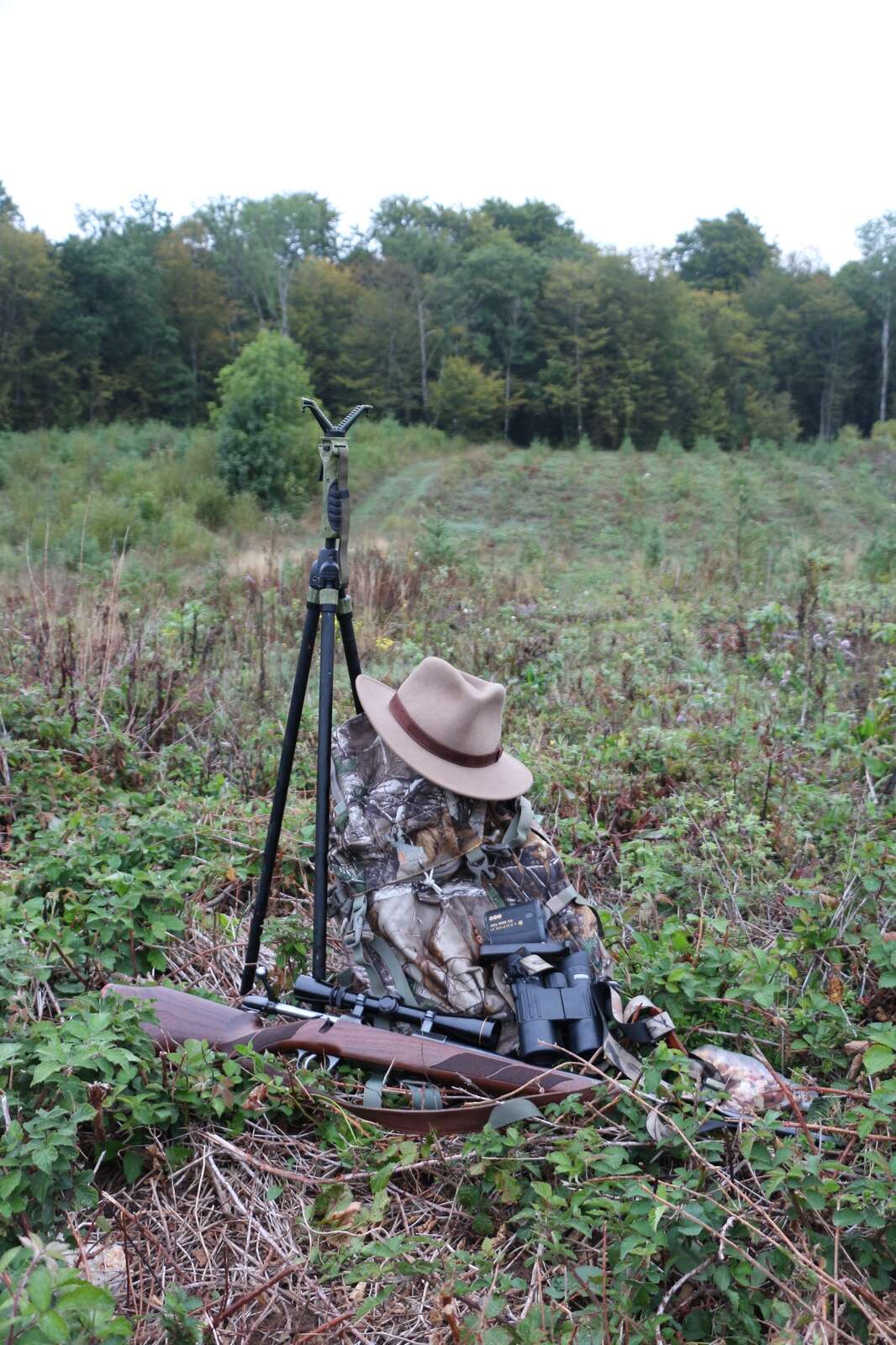
I wanted to be in position well before the deer started moving, and to avoid disturbing the anvil and its approaches. So, I came around the long way and worked my way down within the forest island from the far side. It proved ideal, with a raised flat area directly across from the anvil. I cleared the scrub and made a comfy spot to lie down with my binoculars and Sako .270 on its bipod, then ranged a few landmarks, varying from 150 to 230 metres. I felt really good about the setup and just hoped a buck would come along. Everything went quiet and I contentedly lay there, enjoying the golden evening light and the beauty of the forest before me.
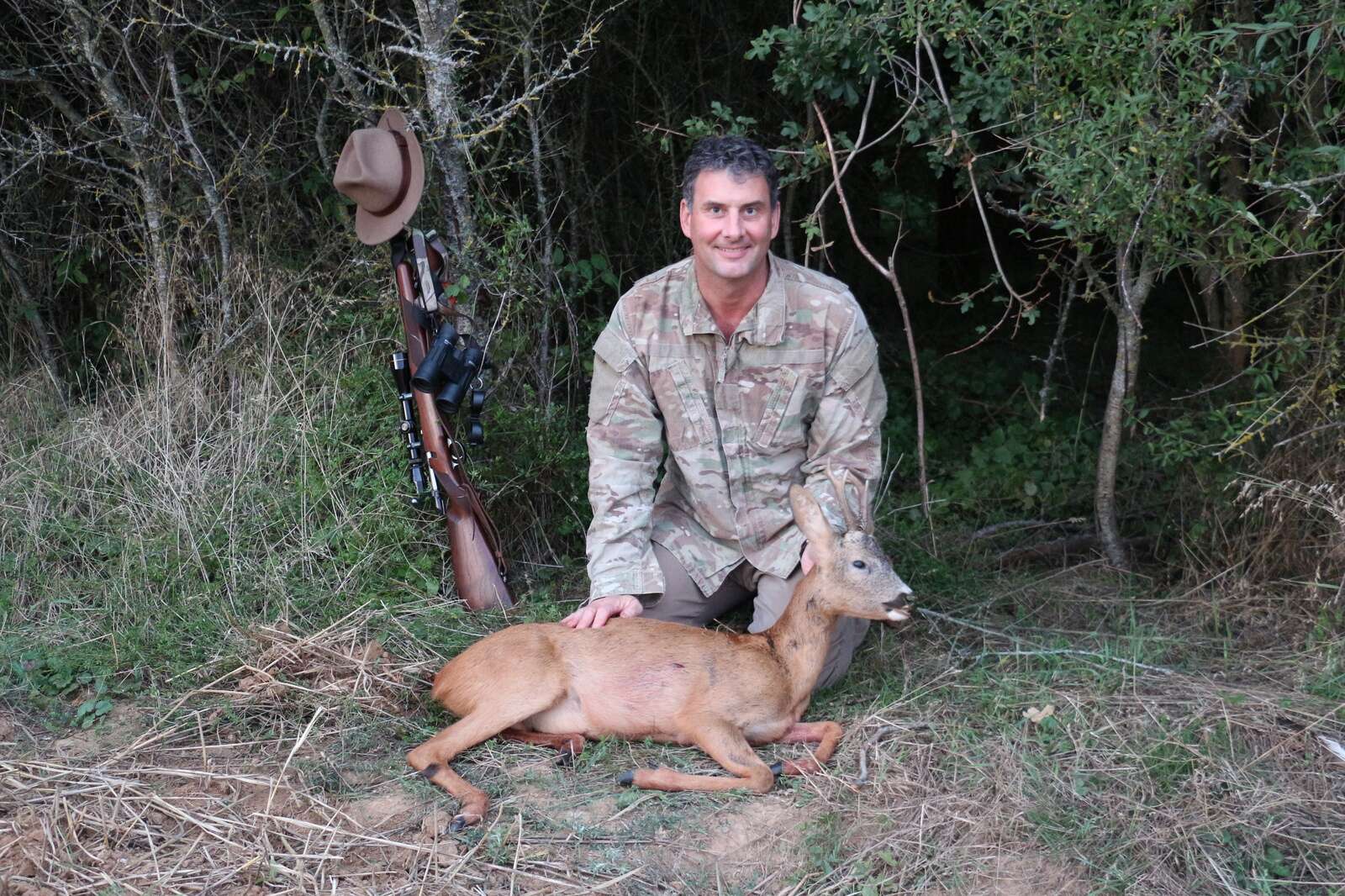
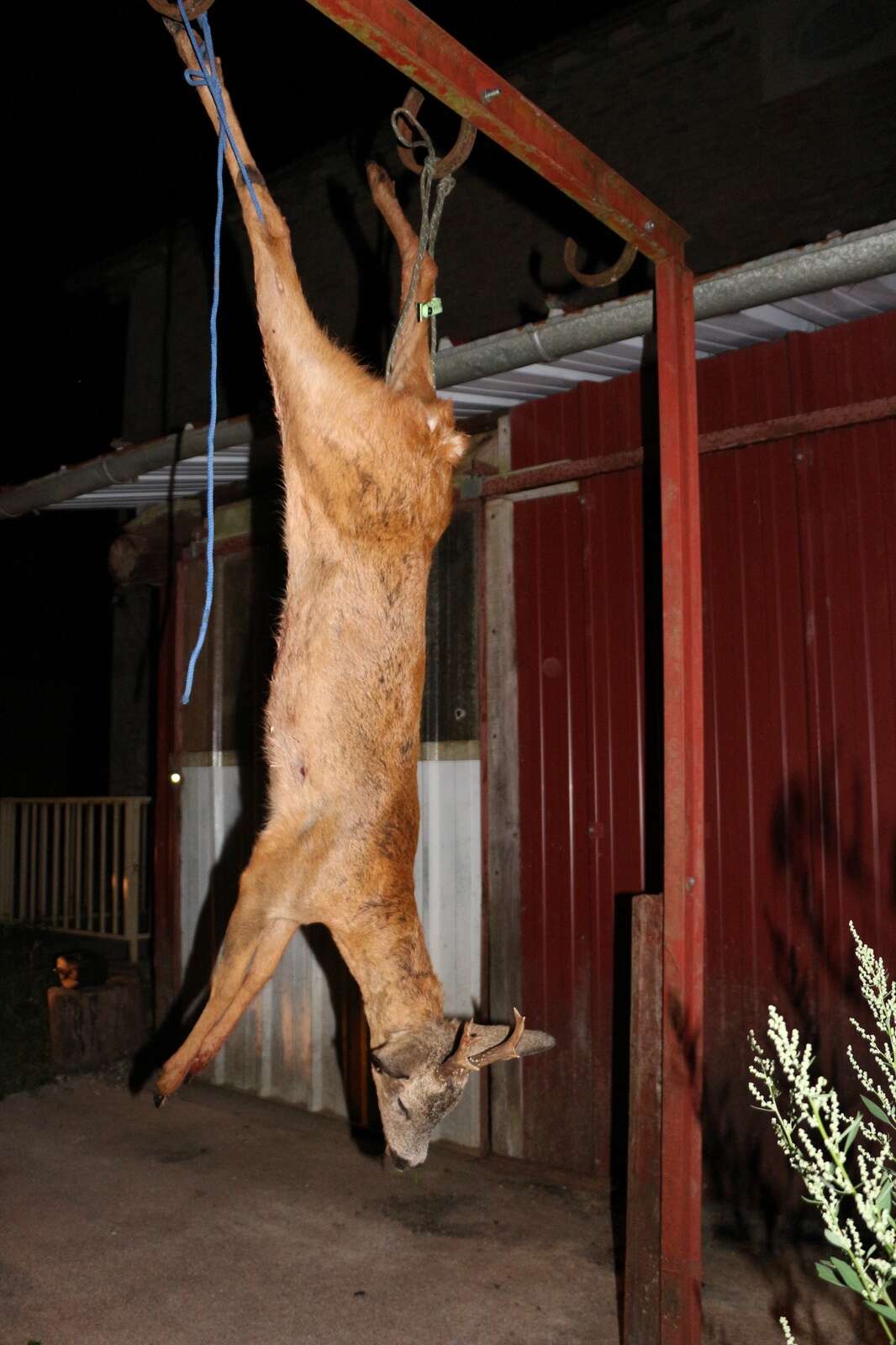
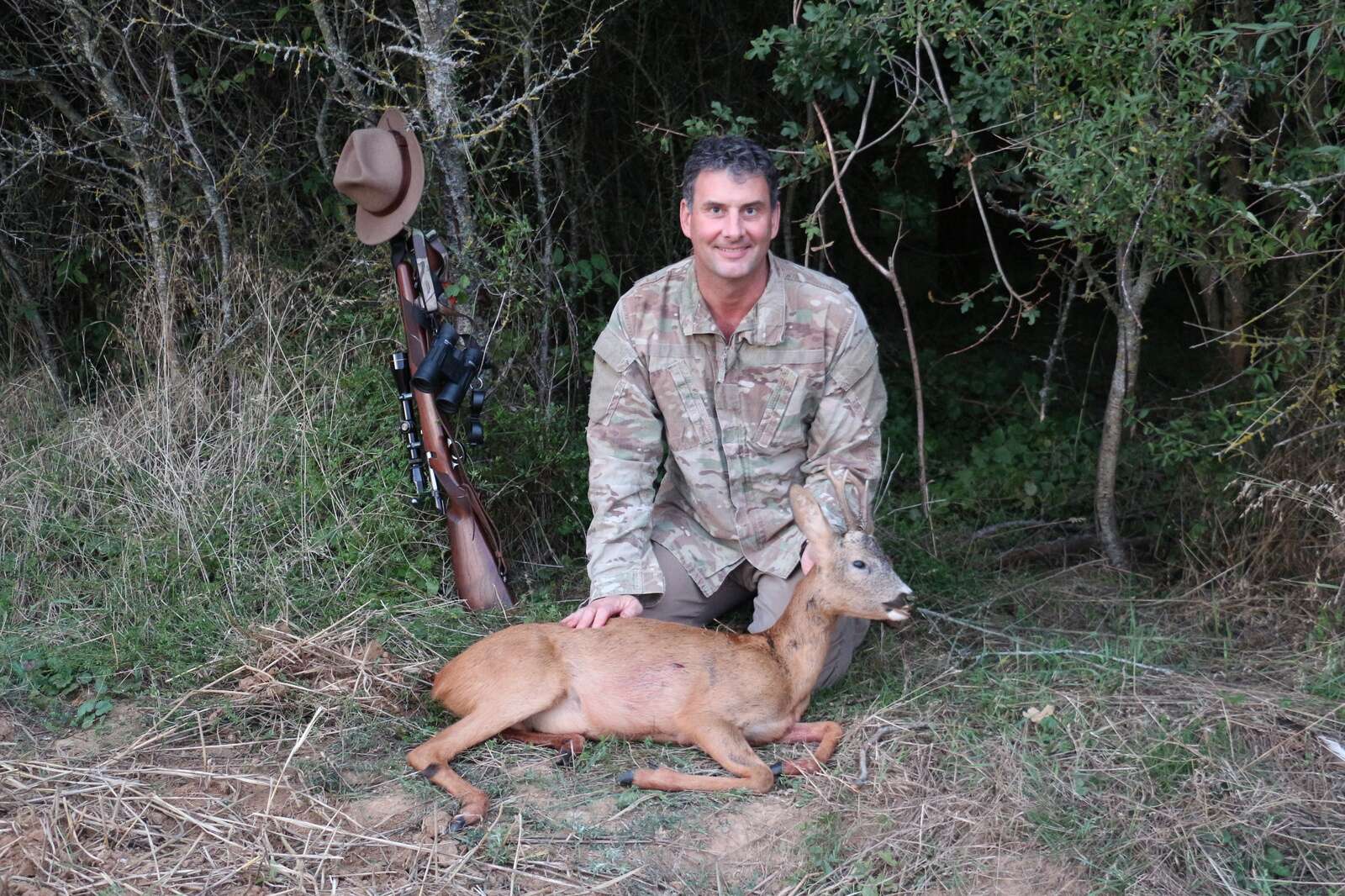
A couple of does emerged, daintily working their way along the forest edge towards then into the anvil. Then a buck appeared, sniffing their trail, and cautiously following. He wasn’t a huge buck, but I was disinclined to be picky – a good representative trophy would do me for now. I raised my rifle as he got close to the anvil, intending to let him get closer, but it all lined up so perfectly that when he paused nicely side-on I squeezed the trigger. The shot felt good, and I heard a solid impact as the buck leapt upwards and kicked his back legs out – a confident indicator of a heart shot. He ran back the way he’d come, visibly bleeding, then staggered into the trees and I knew he’d by lying dead close by. What a good feeling, a ‘belle action de chasse’ indeed. The blood trail was quite prolific for such a small animal and led me straight to him. I later found my shot had gone straight through his left ventricle, hence why he’d bled out so fully while expiring. This achieves the same effect as halal (Muslim) or schechita (Jewish) slaughtering methods and is why heart shots are good for meat quality. I spent a moment admiring him and paying my respects, then took some photos.
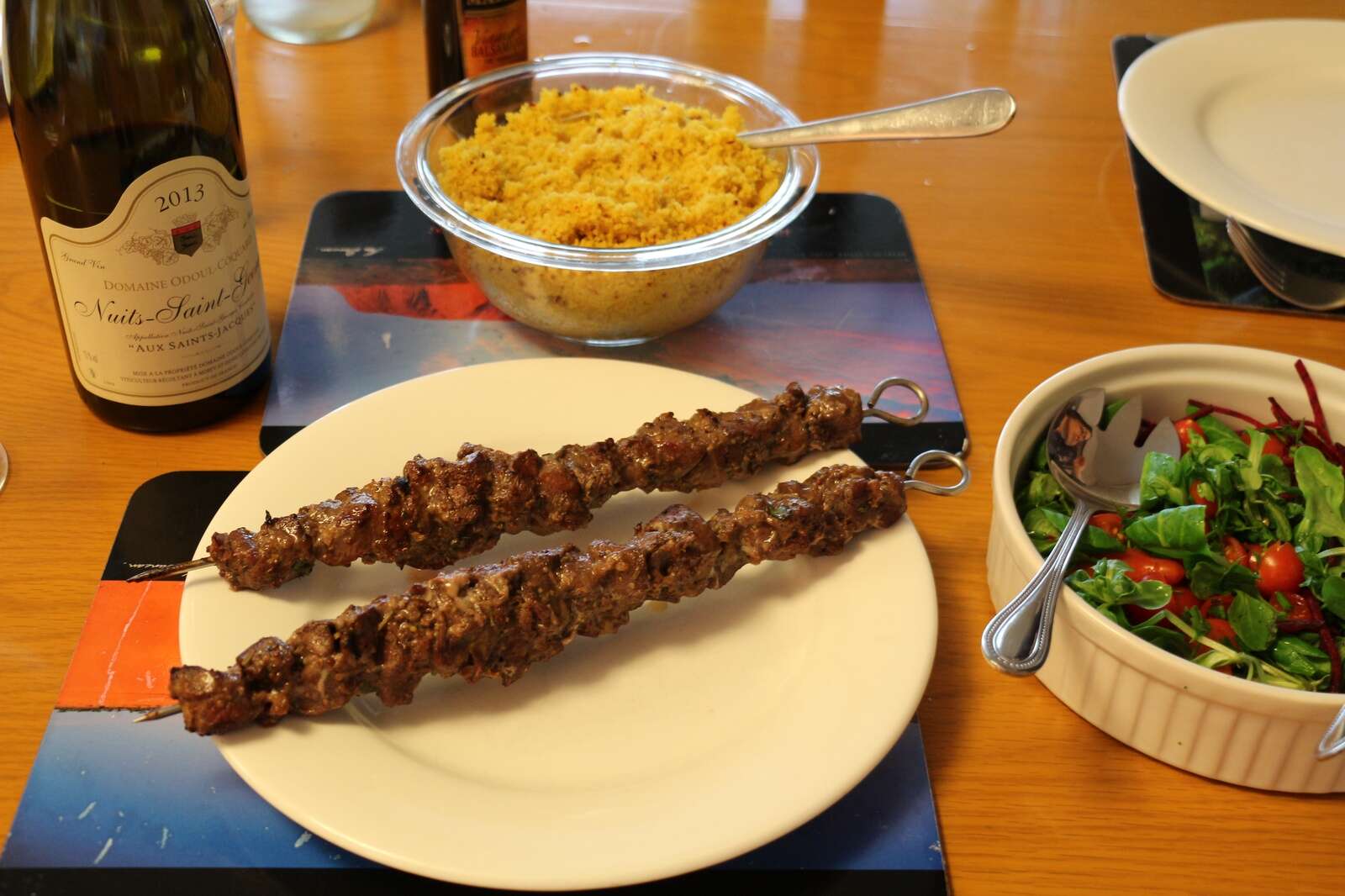
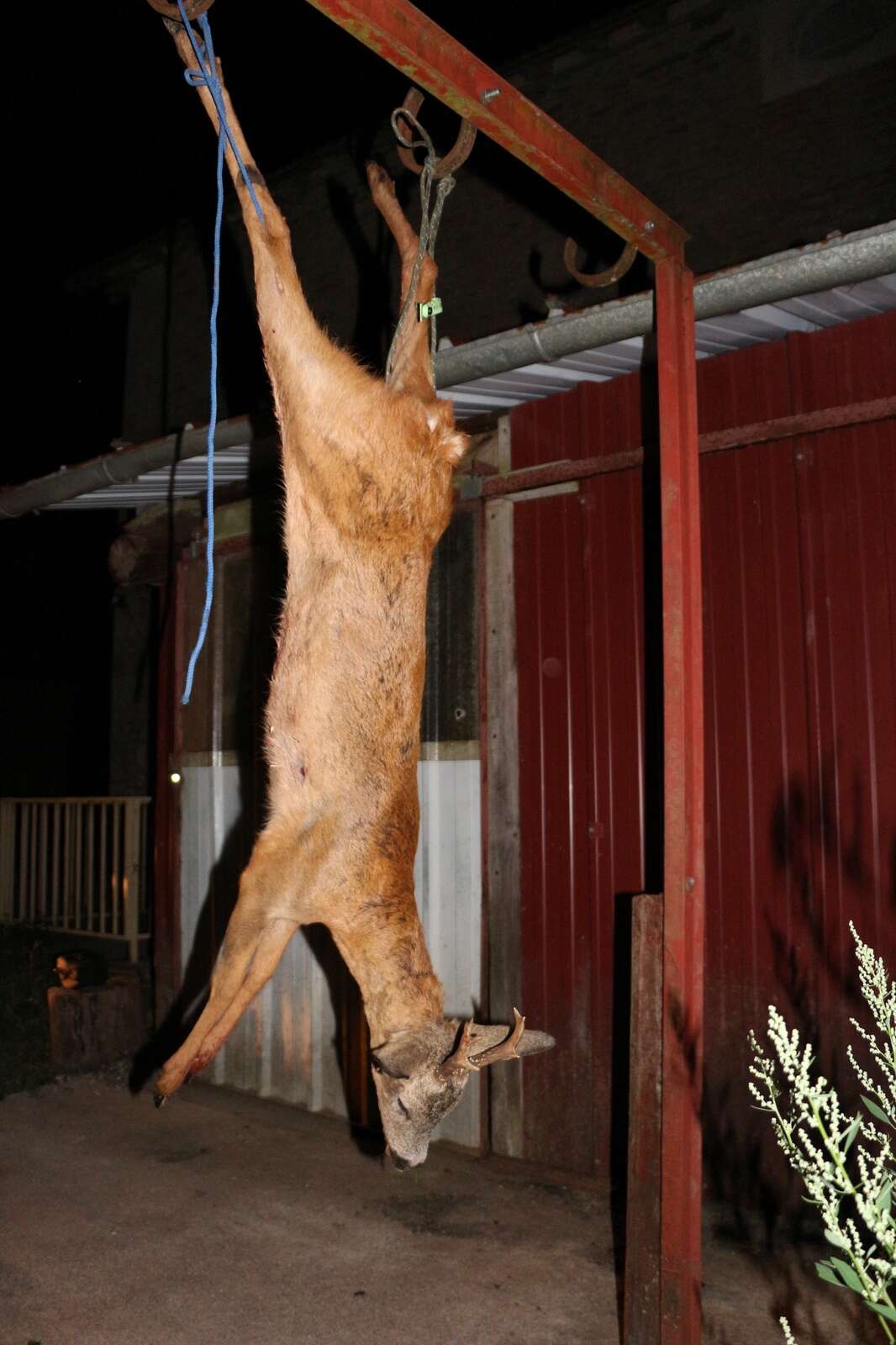
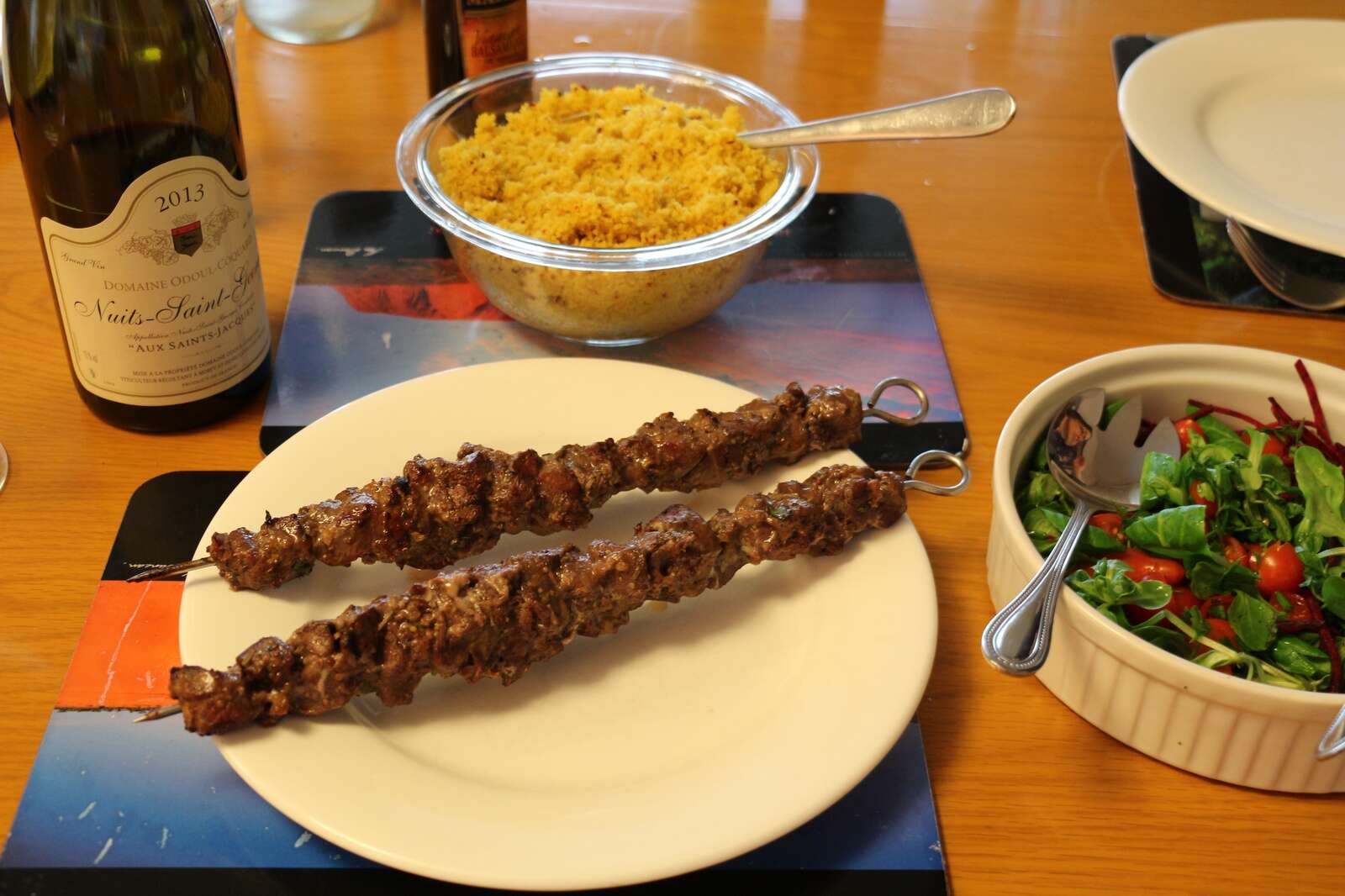
A neat six-point trophy, nothing special in shape or size, but pretty and ‘correct’ as the French say, with a good cape for a shoulder mount. After field dressing him I carried him back to the lodge for butchering. He provided several good meals, including fresh liver and kidneys, roast haunch, tender backstrap steaks, and some marinated barbeque kebabs. It was terrific to entertain back in Paris with wild game that I’d shot myself, and French people really appreciate that.
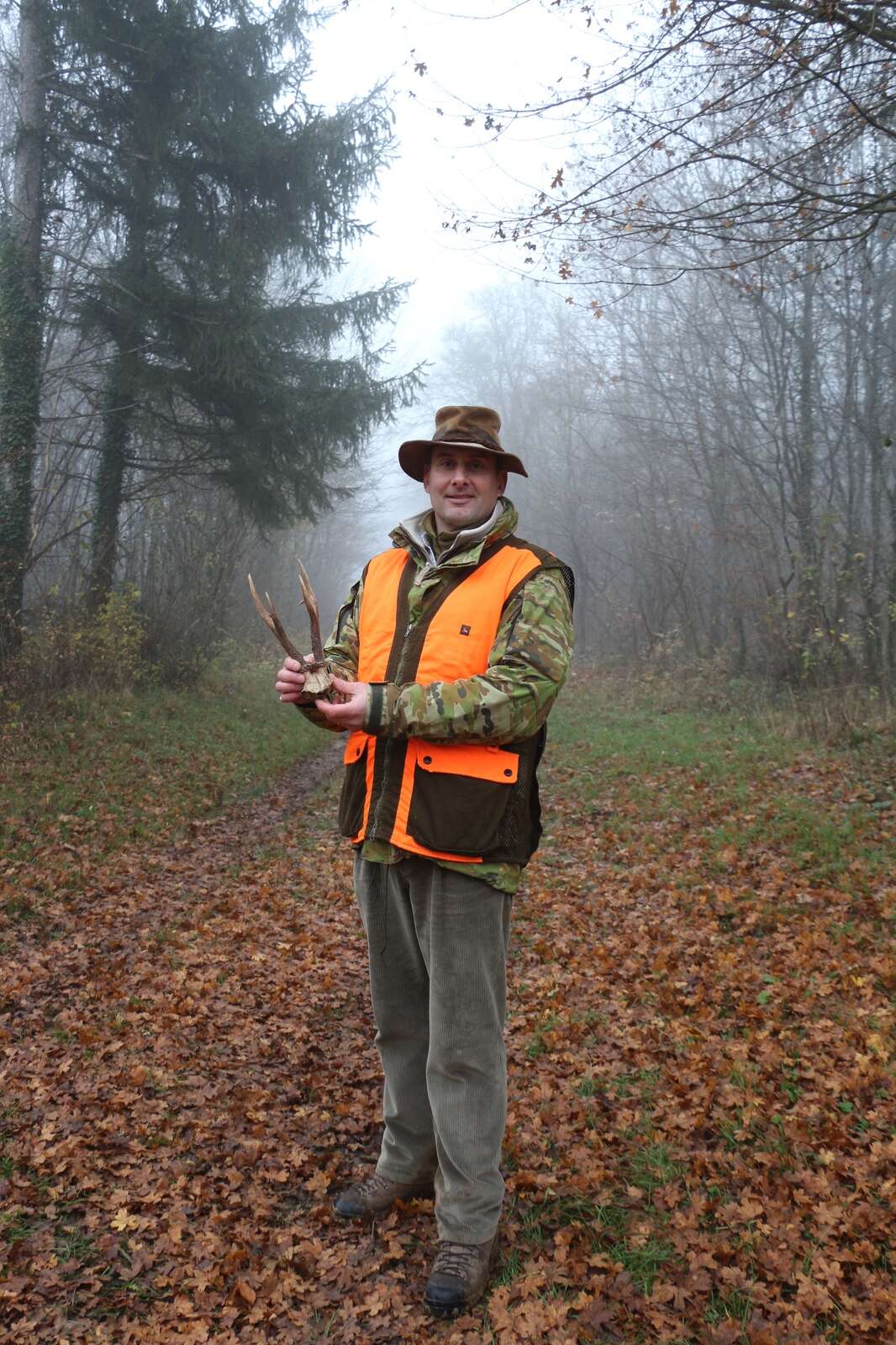
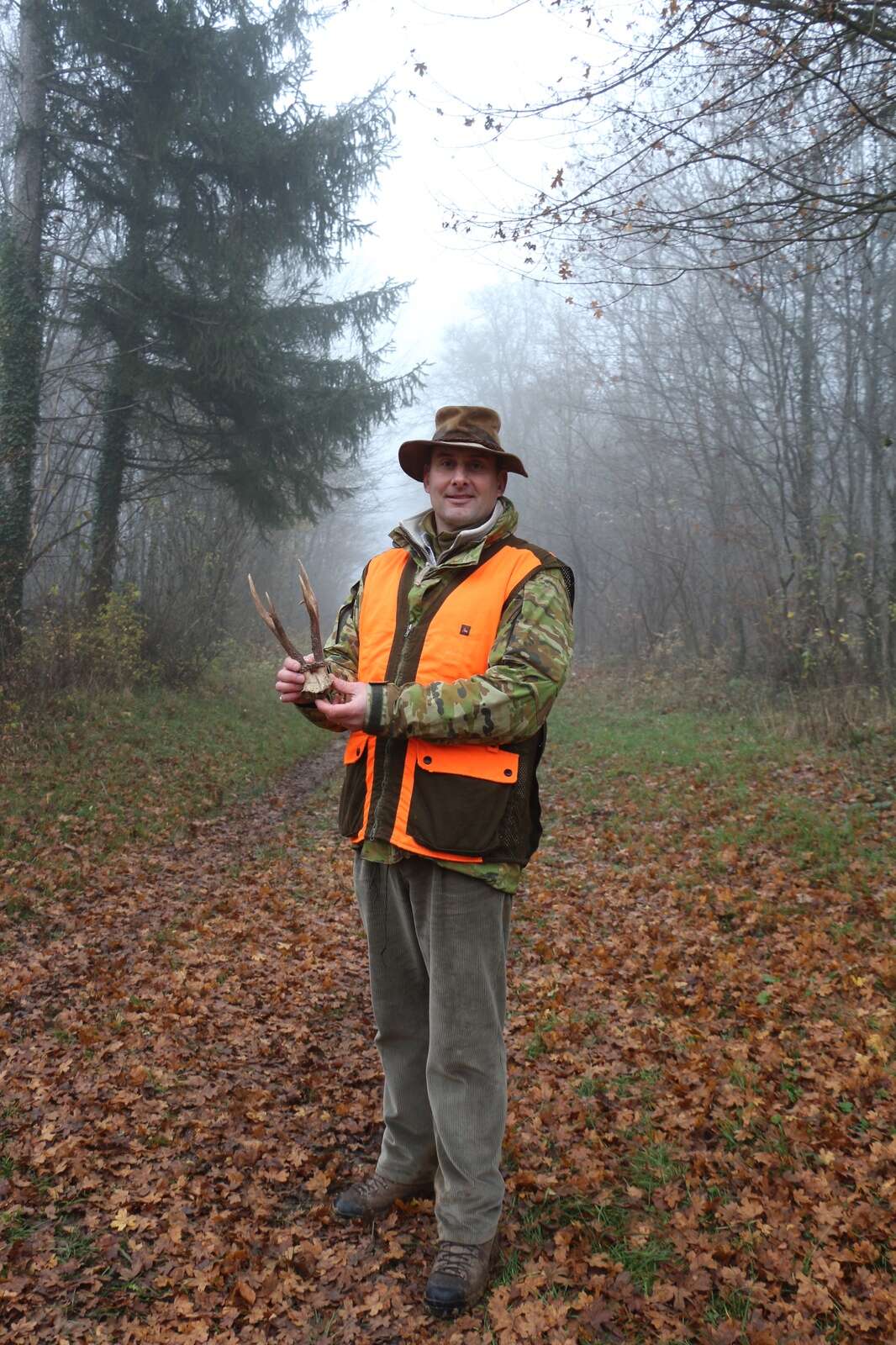
Then, six weeks later, exciting news: François texted a photo of some respectable roebuck antlers, telling me that a woodcutter had found the remains of my first buck, 300 metres beyond where we’d stopped searching. François persuaded him to hand them over, then invited me to come back for a winter Chasse Battue hunt and collect them. It was a welcome and relieving conclusion.
Looking back, it was a rich experience, very different to hunting in Australia. I do value our freedoms and our rugged landscapes, but it was rewarding to see how hunting thrives even in more populated places.