The arrival of H5N1 will understandably generate public concern. It may also produce claims that particular wildlife species are ‘carrying’ or ‘spreading’ the virus. Those words are often used loosely, but they describe very different things. An animal may encounter a virus without becoming infected. It may become infected without shedding enough viable virus to infect another animal. It may occasionally pass the virus on without its population being able to maintain transmission.
A species is considered a reservoir or maintenance host only when the virus can continue circulating within that population without constant reintroduction from another source. An amplifier host materially increases infection pressure on other animals.
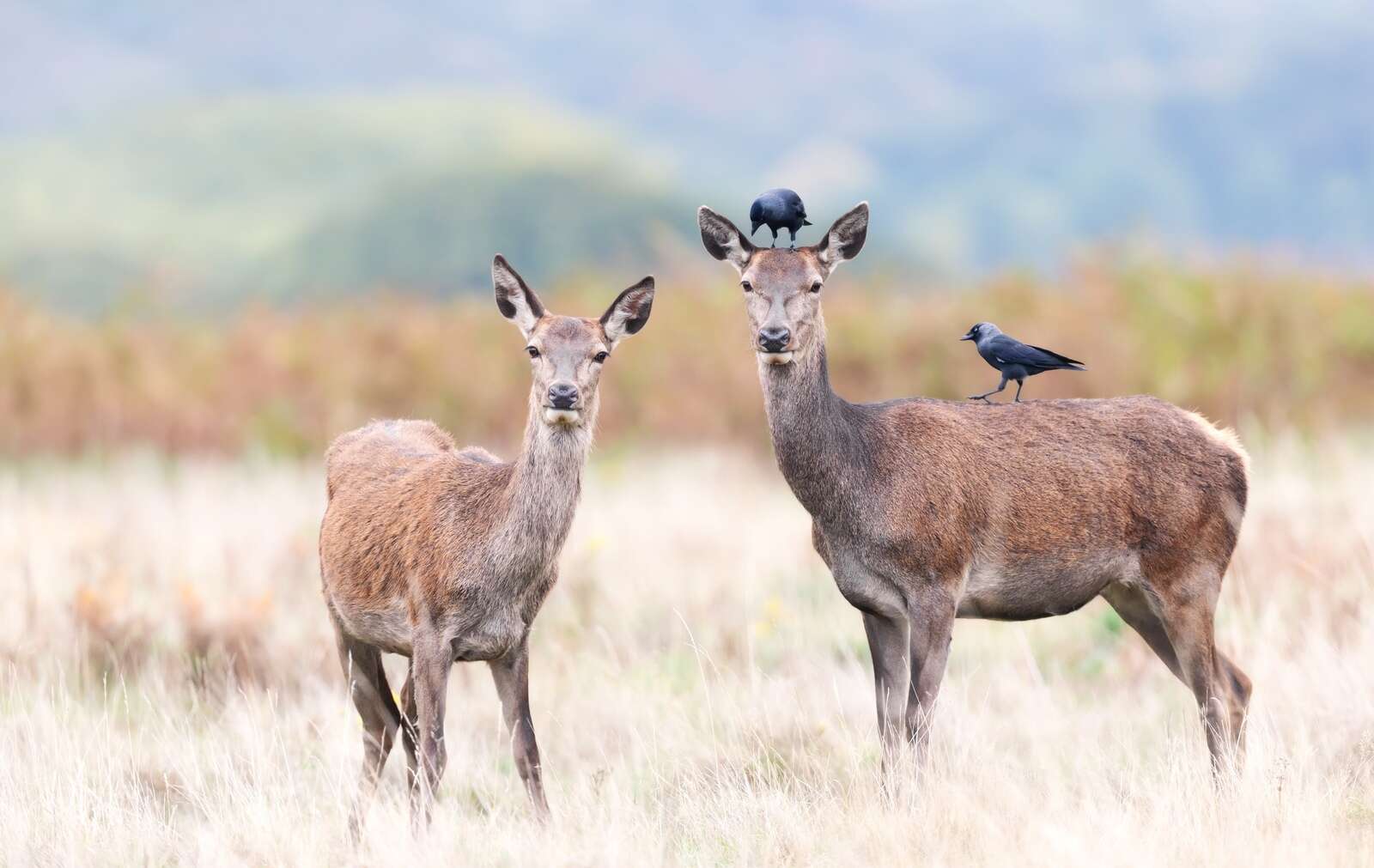
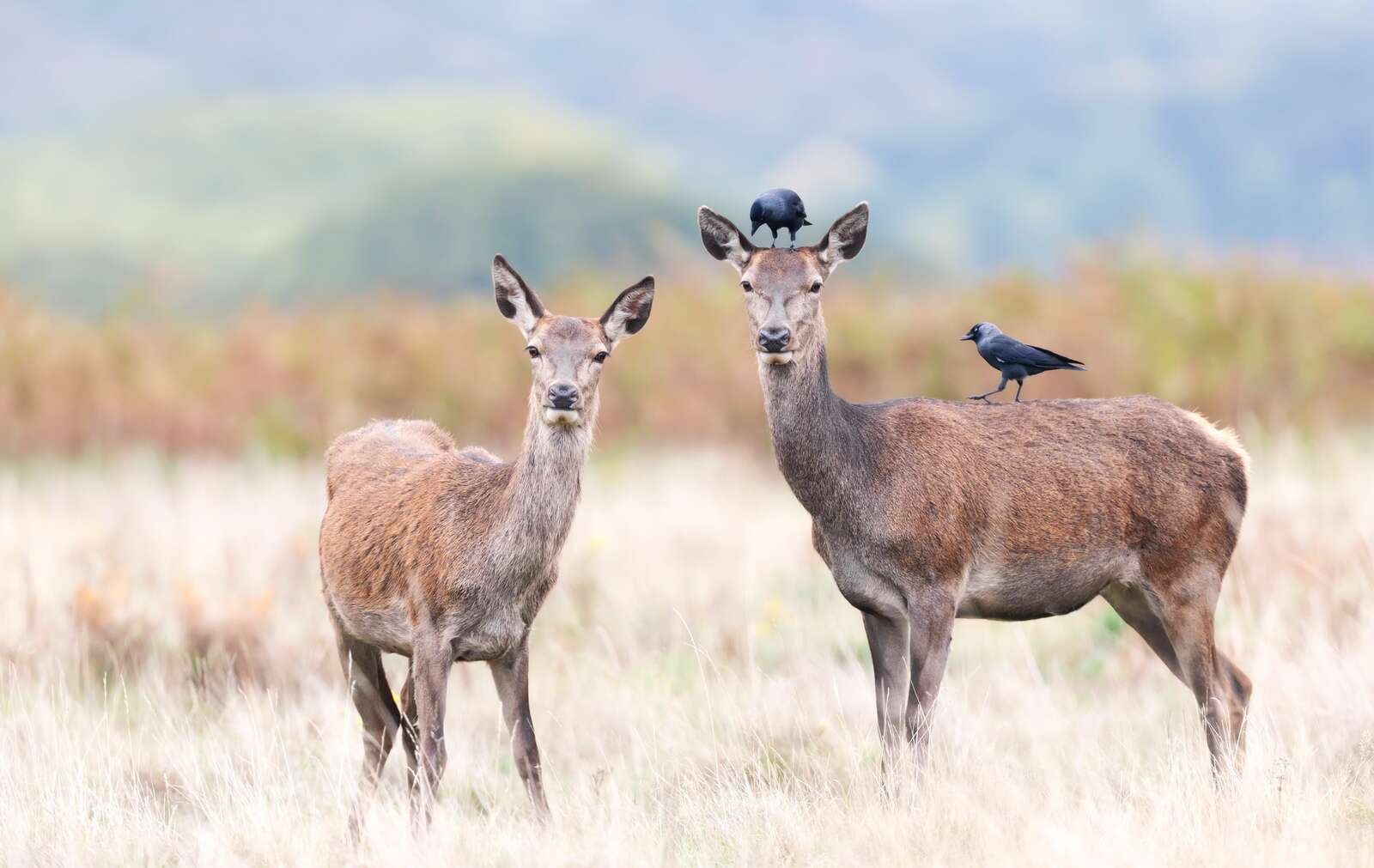
These distinctions are central to understanding wild deer and H5N1. The relevant policy question is not whether a deer could theoretically contact contaminated water, mud or bird droppings. It is whether deer become infected, shed viable virus, transmit it to other animals, and maintain or amplify transmission at a population level. That chain of evidence has not been demonstrated.
H5N1 is a subtype of influenza A virus. Influenza A viruses are named after two proteins on their surface. The H stands for haemagglutinin, which helps the virus attach to and enter a host cell. The N stands for neuraminidase, which helps new virus particles leave an infected cell and spread. H5N1 therefore describes a virus carrying the H5 form of haemagglutinin and the N1 form of neuraminidase.
H5N1 is not one unchanging virus. Related viruses are grouped into branches on a genetic family tree called clades. The lineage responsible for the current global outbreak is clade 2.3.4.4b. It expanded rapidly through wild-bird populations from around 2020 and 2021 and has since reached every continent. Its geographic reach, the diversity of species affected and the scale of wildlife mortality distinguish it from earlier outbreaks.
The term “high pathogenicity avian influenza”, shortened to HPAI, is easily misunderstood. It does not mean every infected wild bird will become severely ill. The classification is based mainly on the virus’s genetic characteristics and ability to cause severe disease in poultry, especially chickens. Some wild birds die rapidly, some develop neurological or respiratory signs, and some remain mobile long enough to shed and transport the virus.
One reason highly pathogenic H5 viruses can cause severe disease is a feature in the haemagglutinin protein known as a multibasic cleavage site. In plain English, the H protein must be switched on by enzymes inside the host before the virus can enter cells efficiently.
In many low-pathogenicity bird flu viruses, suitable enzymes occur mainly in the respiratory or intestinal tract, limiting infection to those areas. In highly pathogenic H5 viruses, the activation site can be recognised by enzymes found more widely through the body. In susceptible birds, this may allow the virus to infect multiple organs and cause rapid systemic disease.
Influenza also has an unusual capacity to change. Its genetic instructions are carried in eight separate segments. If two different influenza viruses infect the same bird or cell, they can sometimes exchange segments. This process, called reassortment, is similar to shuffling two packs of cards and dealing a new hand.
Most combinations will not be especially successful, but occasionally one develops different host, transmission or disease characteristics. The current H5N1 lineage has repeatedly reassorted with influenza viruses already circulating in wild birds. Reassortment does not automatically make a virus more dangerous, but it gives influenza an important mechanism for adaptation.
Waterfowl are central to this story because ducks, geese, swans, shorebirds and other aquatic birds are the natural host community for many influenza A viruses. Their behaviour is particularly suited to transmission. Many species gather in large numbers, share wetlands, shed virus in respiratory secretions and droppings, and move long distances between breeding, feeding and wintering areas. Virus can spread directly between birds or indirectly through contaminated water, mud, feathers and equipment.
For many low-pathogenicity influenza viruses, wild waterbirds may become infected and shed virus without severe disease. The current H5N1 lineage has disrupted that familiar pattern. Some waterfowl can remain mobile while infected and move the virus through migratory networks. Others, along with seabirds, raptors and colonial nesting species, can suffer severe illness and mass mortality. Waterfowl can therefore be both vehicles for movement and victims of the disease, which is one reason the outbreak has been so difficult to contain.
H5N1 has also crossed from birds into many mammals. Numerous detections have occurred in animals likely to have eaten infected birds, scavenged carcasses or encountered heavily contaminated environments, including foxes, skunks, raccoons, bears, cats and marine mammals.
In many cases, the mammal appears to be a spillover host: infected from the main bird-associated transmission system but unable to establish continuing transmission within its own species.
There have been important exceptions. Sustained transmission has occurred among dairy cattle in the United States and on affected mink farms, while some marine mammal outbreaks have shown evidence consistent with mammal-to-mammal spread. These events demonstrate that H5N1 can behave differently when it enters a new host and finds conditions that support onward transmission.
They do not establish that every mammal is equally susceptible or epidemiologically important. Evidence from cattle, mink or seals cannot simply be transferred to deer. Each species must be assessed on evidence specific to that species.
At the time of writing, the official sources and peer-reviewed literature reviewed for this article did not identify wild deer as a demonstrated maintenance host, amplifier or significant transmission pathway for the current H5N1 outbreak.
There was no established deer-specific evidence of active infection during the current outbreak, shedding of viable H5N1 virus, deer-to-deer transmission, transmission from deer to birds, livestock or people, or maintenance within deer populations. No evidence was identified that deer control would reduce H5N1 risk.
This does not prove that infection in a deer is biologically impossible. Influenza viruses have produced unexpected host events, and targeted surveillance remains appropriate where there is a credible exposure pathway or unexplained illness. The evidence-based conclusion is narrower: there is currently no demonstrated evidence that wild deer maintain, amplify or materially spread H5N1.
Northern Hemisphere experience is important. H5N1 clade 2.3.4.4b has circulated extensively in Europe and North America since 2021 across landscapes supporting large populations of white-tailed deer, mule deer, red deer, roe deer, fallow deer, wapiti and other cervids.
During the same period, the virus has produced clear signals in species in which it has become important, including repeated positive tests, illness and mortality events, linked outbreaks, characteristic shedding patterns and genetic evidence connecting infections. No comparable deer-associated pattern has been reported in the sources reviewed for this article.
If deer were a major reservoir or amplifier, we would reasonably expect repeated detections, linked illness or mortality, recovery of viable virus from material they shed, genetically connected infections suggesting deer-to-deer spread, or outbreaks in other species linked to deer. The absence of those patterns after years of widespread circulation is meaningful evidence against a major population-level role.
This does not mean every deer has been tested. Existing programs such as chronic wasting disease surveillance are not automatically H5N1 surveillance; different pathogens require different samples, tests and strategies. That limitation should be acknowledged, but a lack of exhaustive testing cannot be reversed into an assumption that deer are involved. The burden of proof remains with anyone claiming that deer maintain or spread H5N1.
Scientific conclusions should change when the evidence changes. Concern about a deer-associated transmission system would be justified if surveillance demonstrated active infection, recovery of viable virus from material deer shed, evidence of onward transmission and signs that transmission could continue without repeated introduction from birds.
Even then, a proposal to control deer would need evidence that the intervention would materially reduce transmission or protect wildlife, livestock or people. A single positive deer would establish infection in that individual; it would not by itself prove that deer are a reservoir or that population reduction would improve disease outcomes.
Australian policy should apply that standard consistently. Surveillance should remain strong, and unusual illness or mortality in birds and mammals should be investigated. At the same time, policy must distinguish a plausible possibility from a demonstrated pathway. Deer and waterbirds using the same wetland does not establish infection. Infection in one deer would not automatically establish onward transmission, and onward transmission would not necessarily establish population-level maintenance.
H5N1 should not be used to justify deer-control measures unless deer-specific evidence demonstrates active infection, viable-virus shedding, onward transmission and a measurable disease-control benefit from the proposed intervention. That is not a special standard created for deer. It is the normal standard expected in sound animal-health and wildlife-management policy.
Hunters can make a practical contribution to surveillance because they are often among the first people to encounter sick or dead wildlife in remote areas. The key advice is to avoid, record and report.
Hunters should not touch sick or dead birds or handle animals behaving abnormally. Dogs and other pets should be kept away from bird carcasses. The location, species, number of affected animals and visible signs should be recorded, with photographs taken from a safe distance where practical. Unusual illness or mortality should be reported to the 24-hour Emergency Animal Disease Hotline on 1800 675 888.
Hunters should not harvest or process a deer that is seriously ill or behaving abnormally. Normal game-meat hygiene remains important: wear gloves when field dressing, wash hands, and clean knives, boots and equipment. Footwear and equipment used near sick or dead birds should be cleaned before being taken near poultry, pet birds or backyard flocks.
Signs worth reporting include loss of coordination, tremors, seizures, unusual posture, inability to stand or fly, breathing difficulty and unexplained sudden death. These signs are not specific to H5N1, but they allow authorities to decide whether investigation and testing are required.
H5N1 is principally maintained and dispersed through bird populations, particularly aquatic birds. The current clade can move through wild-bird networks, cause severe disease in many bird species, exchange genetic material with other influenza viruses and occasionally cross into mammals. Some mammal species have become epidemiologically important in particular circumstances, which is why surveillance must remain open-minded.
Wild deer have not, on the evidence currently available, emerged as one of those species. There is no demonstrated evidence that they maintain H5N1, amplify it, transmit it between deer or materially spread it to birds, livestock or people. There is consequently no evidence-based case for deer-control programs as an H5N1 response.
That conclusion is not a declaration that infection could never occur. It is a clear statement of what the evidence does and does not currently show. Good policy should remain capable of changing when new evidence emerges. It should be equally capable of rejecting claims that run ahead of the evidence.