HOME FROM THE HILL
A life in service to deer, hunting, and understanding
Australian Deer Association Life Member Mike Harrison passed away on Friday, April 24, as he had lived - with his beloved Elaine by his side.
His passing marks the loss of one of Australia’s most influential and deeply respected voices on sambar deer, though to describe Mike simply as a “voice” undersells the breadth of his contribution. He was a hunter, a bushman, a thinker, an organiser and, at key moments, a leader who shaped the direction of deer hunting in this country.
Arthur Bentley once described Mike as “a meticulous observer, a bushman in the truest sense,” noting that even a short time in his company on deer range was enough to change how you saw the bush. Ken Slee went further, calling him “the most masterful sambar hunter” he had known. High praise, and not given lightly.
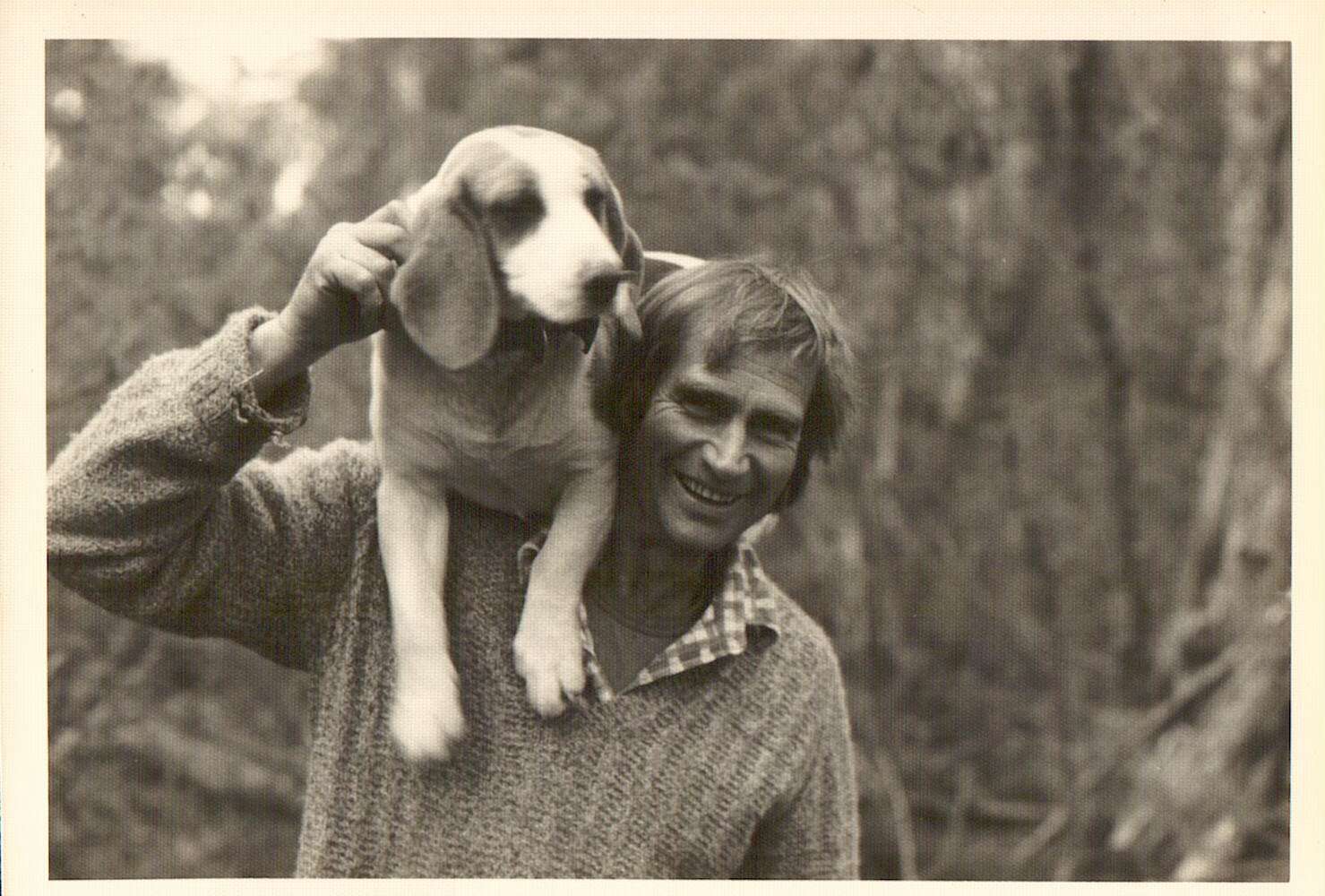
Mike was equally at home behind a pack of beagles as he was stalking alone. Mike was a successful houndsman in an era when simply finding a deer to hunt was an achievement in itself. But for Mike, the hunt was never just about taking a deer. It was about understanding them, how they moved, how they used country, how they responded to pressure, and then passing that knowledge on.
That instinct to build something bigger than himself was evident from the very beginning of the Australian Deer Association. In 1969, Mike pushed for a Gippsland branch, recognising that the Association needed to be grounded where deer and deer hunters actually were. By 1971 that branch was established, with Mike as its first President, and the branch model that became central to ADA’s structure was set in place.
He would go on to serve on the inaugural State and National Executives, become ADA’s second National President after Bentley, and its second Life Member. He was also a foundation member and Chairman of the Australian Deer Research Foundation, and a driving force behind the Victorian Hunter Education Course in its formative decades.
If Arthur Bentley was the Association’s spiritual leader, then Mike Harrison, alongside Peter Stuart and Geoff Moore, was one of its rare and indispensable field commanders - men who not only understood the ground, but shaped the way others walked it.
Nowhere was that clearer than in the political battles of the 1970s through to the early 1990s. Mike was at the tip of the spear in Victoria during a period when the future of deer hunting was far from secure. He played key roles in campaigns to remove the prohibition on Sunday hunting, to retain access to public land as national parks expanded, and to defend hound hunting when it came under direct threat.
In 1986, when the Cain Government moved without warning to ban hunting with scent-trailing hounds, Mike, alongside Peter Purvis, helped lead a campaign that ultimately overturned the decision. It was a defining moment, and one that spoke to Mike’s approach: calm, measured, informed, but absolutely resolute.
He was not interested in the easy path. He believed in getting it right, even when that meant taking the harder road and wearing the criticism that came with it. Those who worked alongside him saw that clearly. He earned both admirers and detractors over the years, and neither made much difference to the way he went about things.
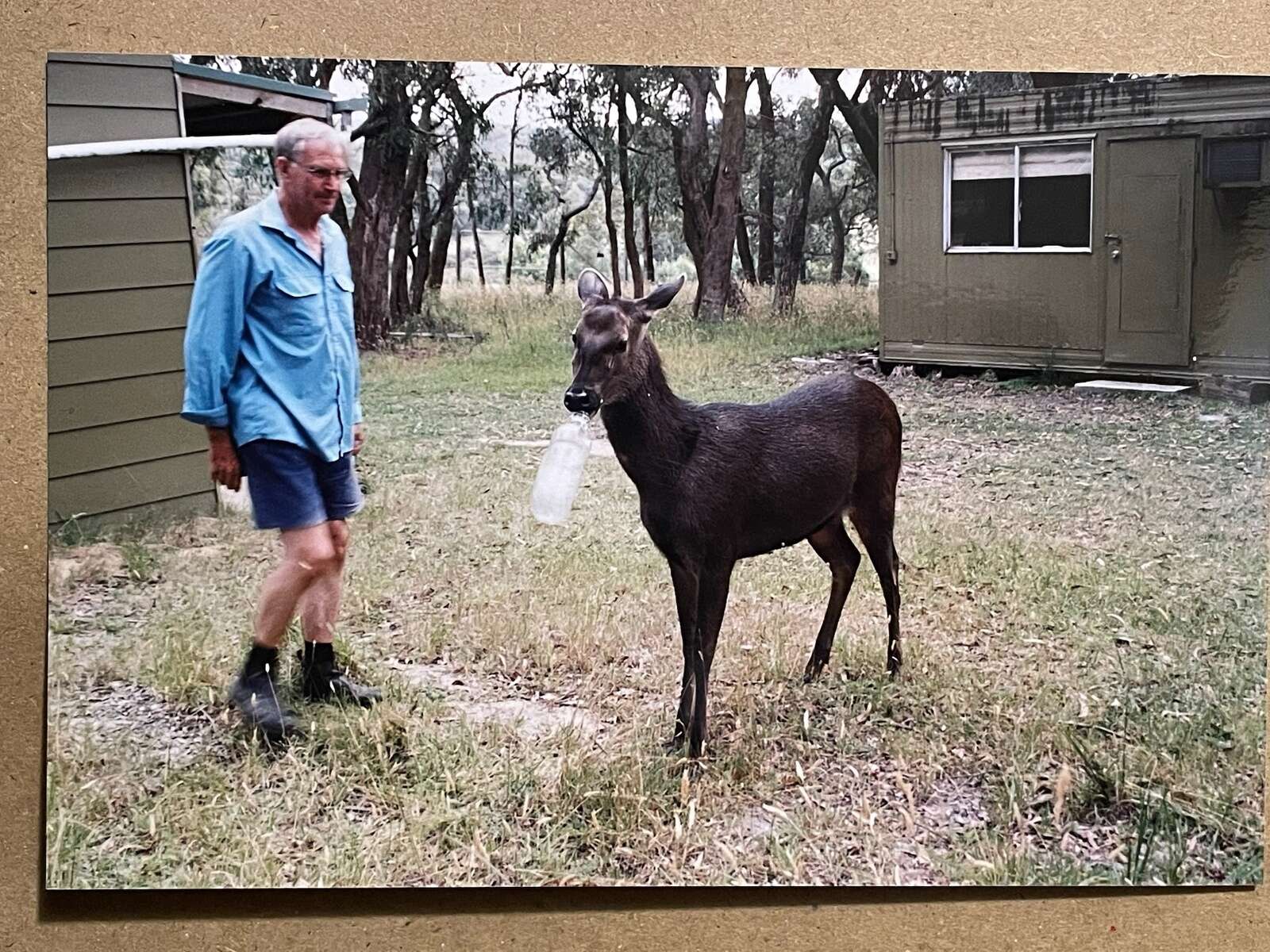
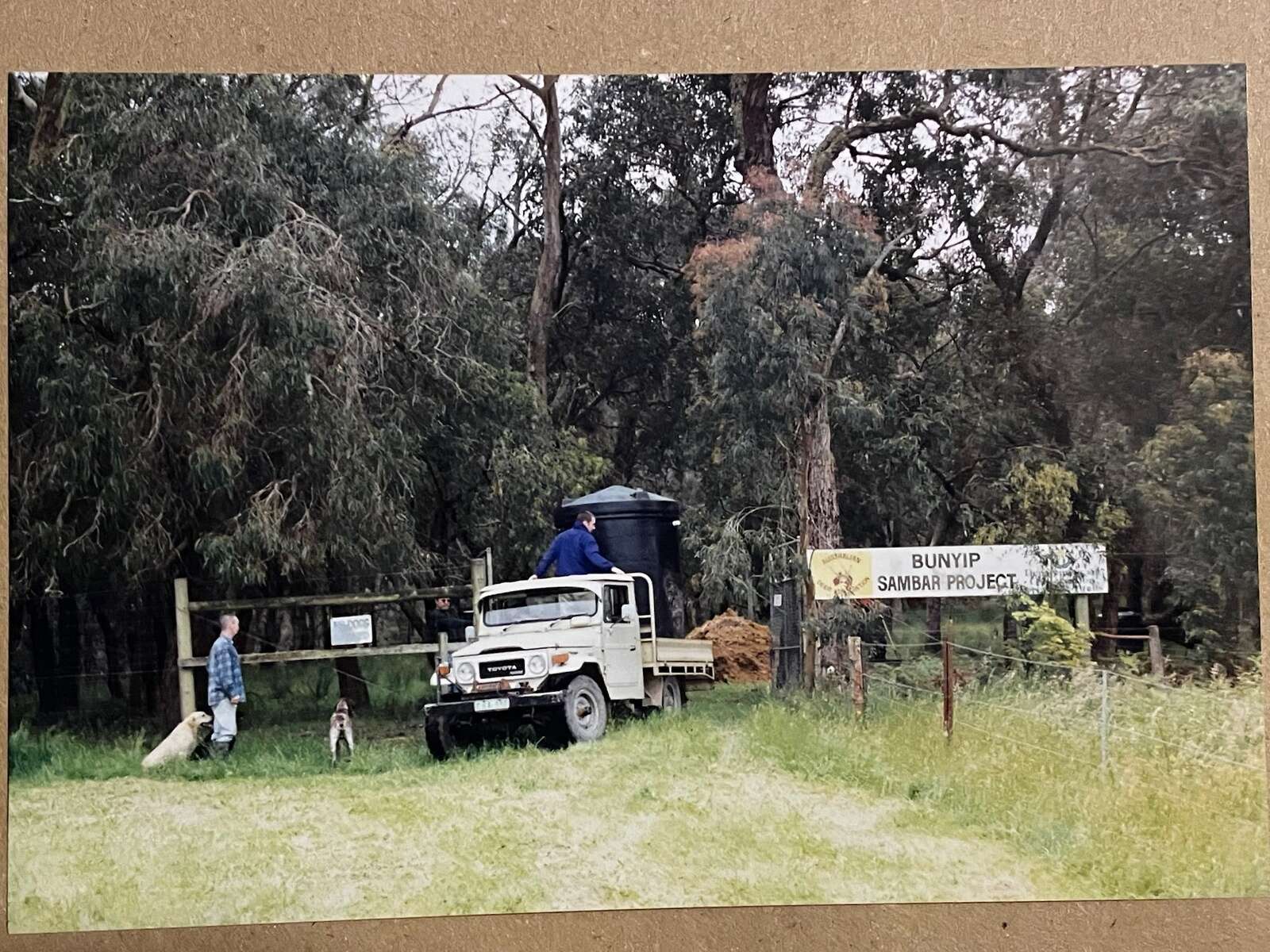
Away from the politics, Mike’s most enduring contribution may well be the Bunyip Sambar Project. Established in the mid-1980s on the boundary of his and Elaine’s property, it became the most significant long-term observational study of wild sambar deer in Australia, if not the world.
Over decades, Mike painstakingly recorded daily observations in near-natural conditions, building a body of knowledge that was, and remains, unmatched. Hunters, biologists and land managers alike have drawn on that work to better understand sambar behaviour and ecology.
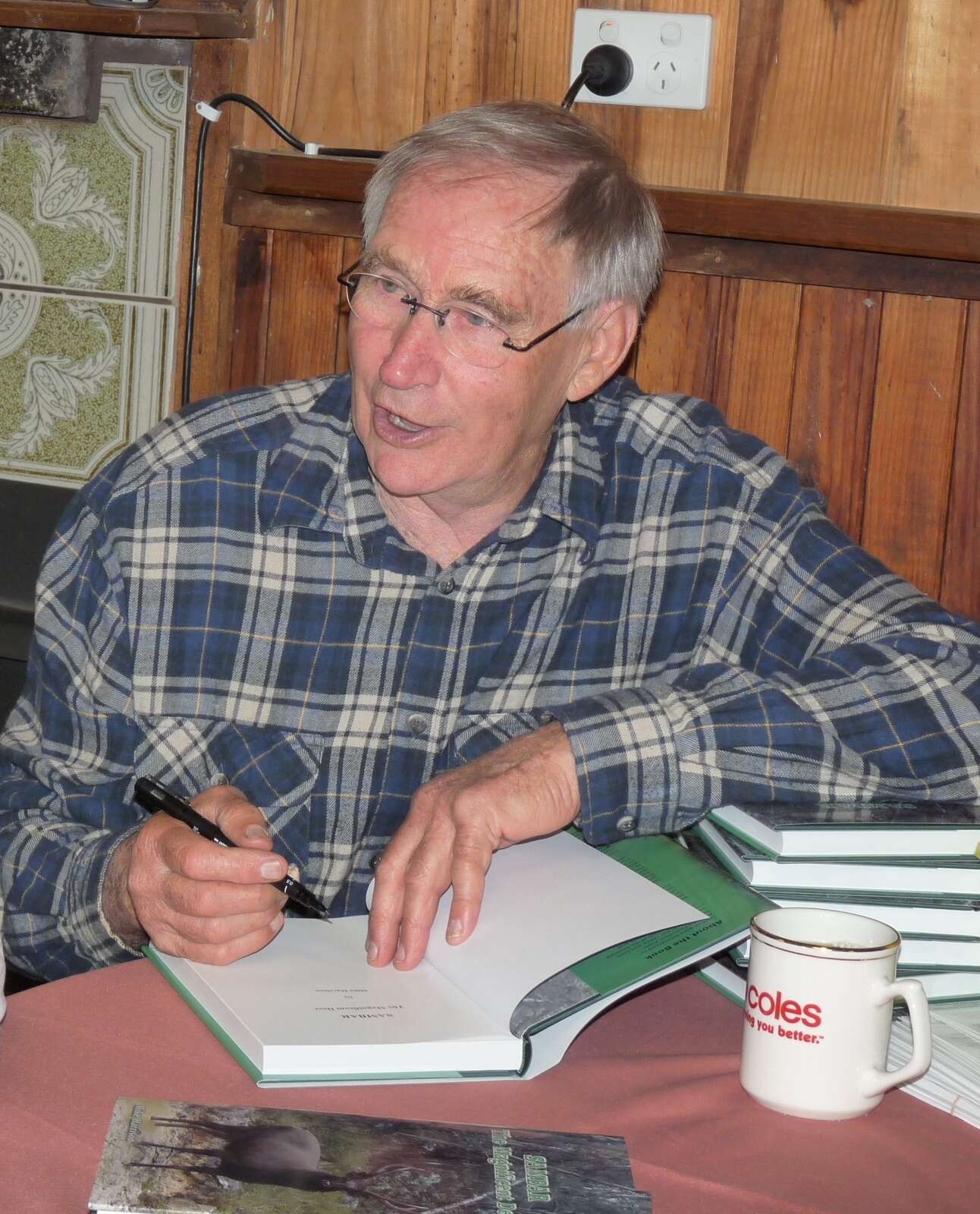
That work ultimately found its way into Sambar: The Magnificent Deer, a landmark publication that captured more than two decades of firsthand insight and remains essential reading today.
True to form, Mike’s interest in the natural world extended beyond deer. When he identified a small population of the critically endangered Helmeted Honeyeater in the Bunyip State Park, he didn’t simply note it, he acted. He became directly involved in their management, contributing to monitoring and supplementary feeding efforts to support the population.
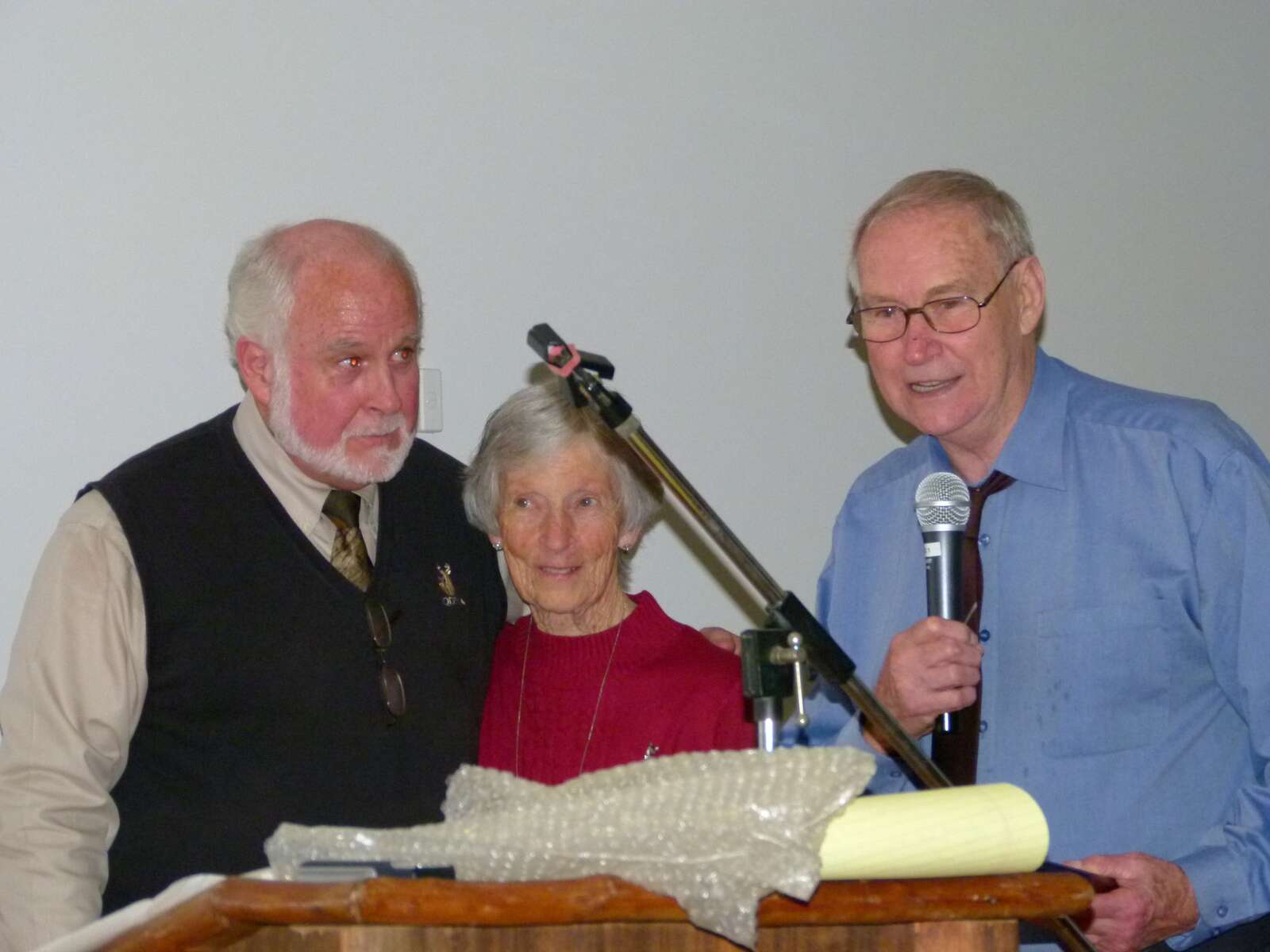
For all of his achievements, those who knew Mike best will remember him just as much for his presence. He was a central figure at the ADA Hunters Dinner (an event he helped conceive under a tree over a bottle of port) and a man who could just as easily recite a poem as he could dissect a piece of deer behaviour.
He was also, importantly, a mentor. His advice was always available, always considered, and rarely softened for comfort. It didn’t need to be. It came from a place of deep knowledge and a genuine commitment to deer, hunting, and the people who would carry both forward.
Mike Harrison leaves behind a legacy that is difficult to overstate. Not just in what he did, but in how he did it; thoughtfully, deliberately, and with a clear sense of purpose.
He helped build the foundations that many now stand on. More than that, he showed how to stand on them properly.
Where would you rather be?
When the darkness that surrounds you pales before the dawn
And the leaves and limbs and tree trunks resume their shape and form,
When the friendly leaping frames caress the frying pan and billy,
And the sparkle of the morning brings remarks both bright and silly
When the golden shafts of sunlight penetrate the trees
And take that icy chill from the early morning breeze,
And sparkle in the dewdrops like a thousand precious stones,
While the lyrebirds are practicing their deepest, richest tones
Or when the traffic’s getting heavy and your temper’s wearing thin
And the diesel fumes coat the windscreen like a second skin,
In the hustle and the bustle of a world that doesn’t care,
A world that’s hooked on comforts and forgotten how to dare
By Mike Harrison