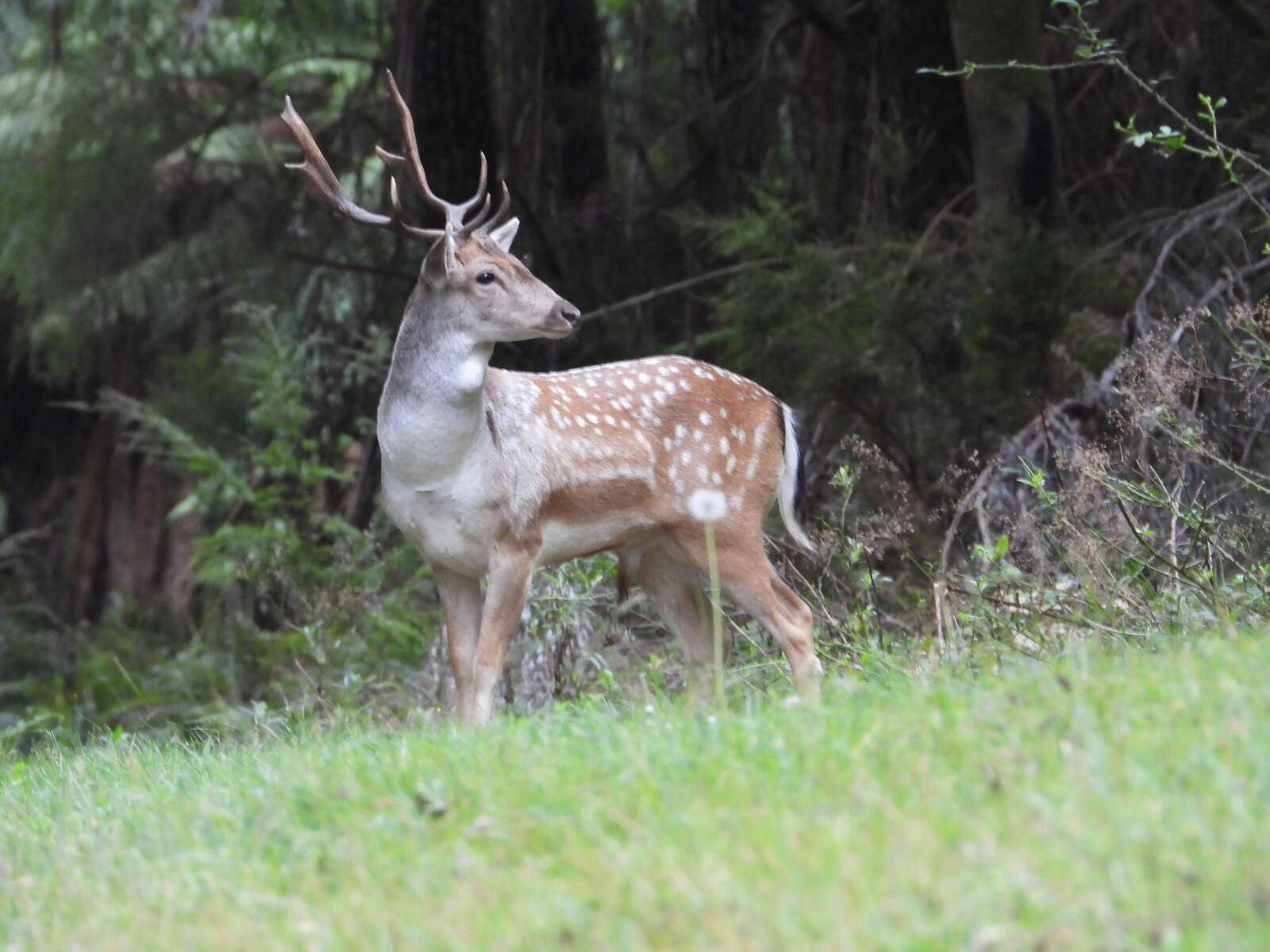
The Victorian Government has announced an additional $1.7 million for deer management, including funding to update Victoria’s wild deer population estimate. The package provides an opportunity to strengthen the evidence behind management decisions, while addressing areas where recreational hunting cannot readily contribute.
Announced on 30 September, the funding includes $1 million for Melbourne’s eastern fringe, $500,000 for sambar and hog deer control at Wilsons Promontory, and $200,000 for the Arthur Rylah Institute to update the population estimate. It supplements the $4.4 million in ongoing annual funding for the Victorian Deer Control Strategy. Operations on Melbourne’s fringe will include the Dandenong Ranges National Park and the Yarra Ranges, Knox and Cardinia council areas.
For the Australian Deer Association, investment in better information is a particularly valuable part of the announcement. Evidence-based management requires an understanding of where deer occur, their abundance and the impacts they are having. It also requires monitoring to establish whether an intervention achieves its intended purpose.
The first statewide abundance study provides a foundation for that work. The Victorian Government’s published public land abundance dataset draws on camera-trap and deer sign surveys conducted at 317 sites between 2021 and 2023, producing modelled density estimates for sambar, fallow, red and hog deer.
A second survey offers an opportunity to build on that baseline. With comparable methods and a clear explanation of uncertainty, repeat monitoring can help assess changes in abundance and distribution, refine estimates and inform future priorities.
Population estimates must also be interpreted alongside evidence of local impacts. A statewide figure alone cannot establish whether a particular control operation is necessary or successful. Management should identify the environmental, agricultural or community values at risk, set measurable objectives and assess whether those values improve following intervention.
The eastern fringe funding illustrates why a practical approach must account for local circumstances. Peri-urban landscapes bring together homes, roads, small properties and conservation reserves. Where public land hunting is unavailable, or surrounding development prevents safe recreational hunting, dedicated deer management programs have an important role.
Recreational hunting can contribute where access and conditions allow, but it cannot be expected to address every situation. Coordinated programs are needed in places where hunters cannot operate, with methods suited to the location and appropriate safeguards for residents, other land users and animal welfare.
The Wilsons Promontory allocation also warrants scrutiny. The Government says the additional control will complement the predator and herbivore exclusion fence being established at the park, reducing deer numbers inside the boundary and helping prevent their return once the fence is complete.
The ADA has previously questioned the rationale and transparency surrounding the Prom’s wildlife management expenditure. In its 2020 article about the proposed $6 million fence, the Association called for a clear explanation of how the project would restore biodiversity and protect environmental and cultural assets. It also questioned whether management adequately addressed the impacts of other herbivores, including kangaroos and wombats.
In 2021, the ADA raised further concerns about hog deer culling, including the lack of clear reporting on costs and animal welfare outcomes. That article made clear that the Association supported deer control and exclusion fencing where justified, and pointed to its volunteers’ previous involvement in management at the Prom. The central concern was whether operations had clearly defined objectives and sufficient evidence to demonstrate their effectiveness.
Those principles remain relevant to the latest investment. Public reporting should explain the impacts being addressed, why particular methods have been selected, what operations cost and how outcomes will be measured. At the Prom, that should include how deer control fits within the broader management of grazing pressure and other threats to the park’s values.
The number of deer removed is a measure of activity. Demonstrating environmental benefit requires monitoring the condition of the assets the program is intended to protect.
This funding offers an opportunity to improve both knowledge and management. The second abundance survey can strengthen future decisions, while targeted programs can address locations where recreational hunting is unavailable. Clear objectives, transparent reporting and monitoring will be essential to showing that the investment delivers lasting benefits.