By Sean Kilkenny
The Nepean by-election, held on 2 May 2026, should not be read simply as a safe Liberal retention. The more important story sits underneath the headline result: One Nation secured roughly a quarter of the primary vote in a seat it had never previously contested, in an electorate that does not naturally resemble traditional Hanson territory.
With the by-election occurring just six months before Victoria heads to the polls in November 2026, the result is likely to be closely studied by strategists from all major parties. While by-elections are often imperfect predictors of general election outcomes, they can reveal emerging trends, voter sentiment and demographic shifts that later become significant statewide.
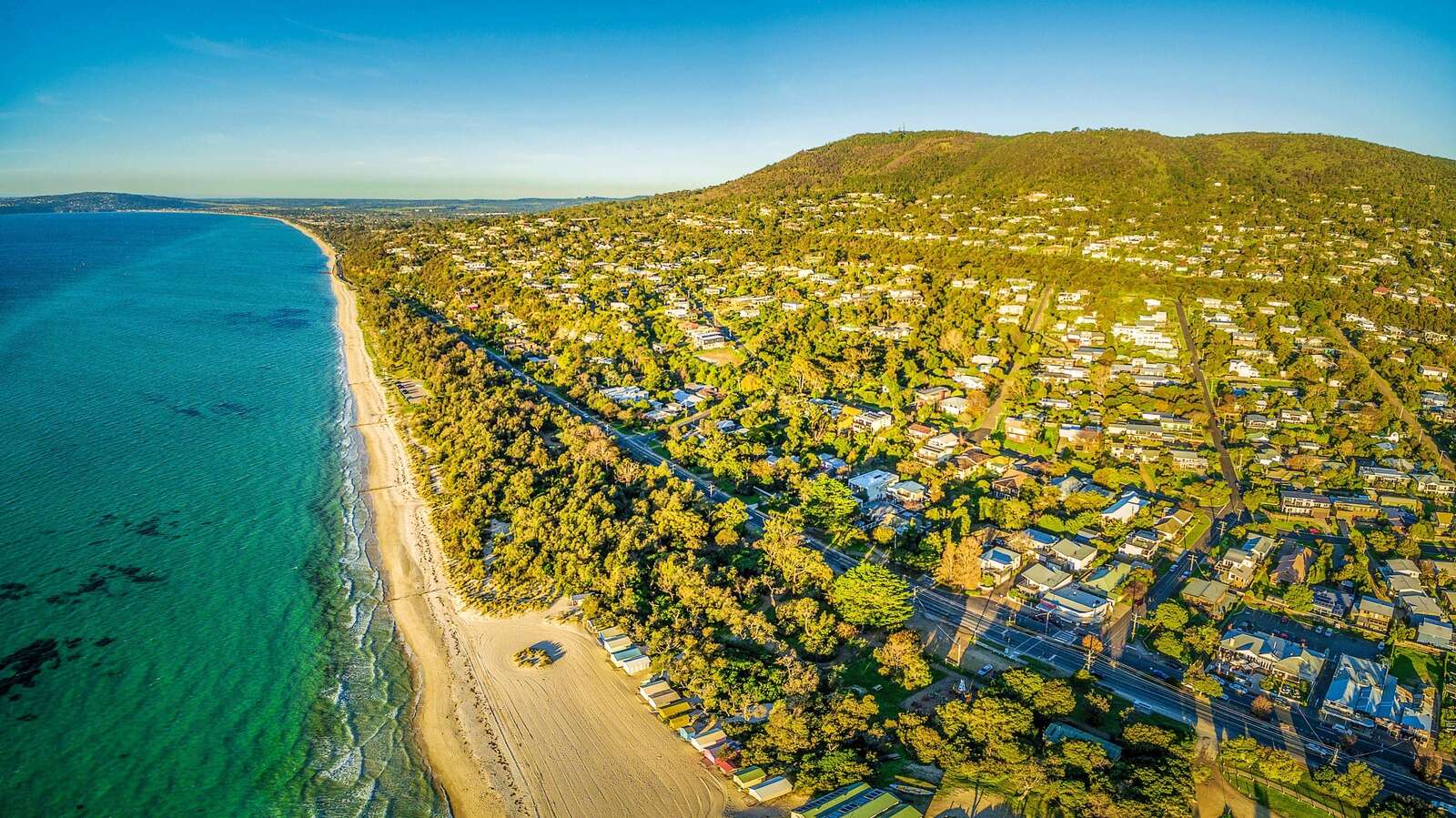
Nepean is not a remote regional district or a mining electorate shaped by long-term industrial decline. It is the southern Mornington Peninsula — coastal, older, historically Liberal-voting and, at least superficially, relatively affluent. On paper, it should not have been fertile ground for a first-time One Nation campaign.
Yet the booth data suggests something more significant is occurring beneath the surface.
One Nation’s support was not evenly distributed across the electorate. It concentrated heavily in the more economically pressured communities around Rosebud, Dromana, Dromana Beach, Tootgarook, Rosebud West and Waterfall Gully. In several booths across this corridor, One Nation approached or exceeded 30 per cent of the primary vote. By contrast, its support was far weaker in affluent or traditionally “small-l liberal” areas such as Flinders, Shoreham, Red Hill and Sorrento.
That pattern matters because it demonstrates that One Nation’s appeal in Nepean was not simply random by-election volatility. It followed a recognisable social and economic divide.
Nepean contains substantial wealth, but it also contains older renters, fixed-income retirees, small business owners, hospitality workers, tradespeople, and households increasingly squeezed by housing costs, insurance, rates, healthcare access and stagnant living standards. These are communities where frustration with government often intersects with declining trust in institutions and growing resentment toward political elites.
One Nation successfully translated that frustration into a protest vote.
The absence of Labor sharpened the signal. Without Labor contesting the seat, economically frustrated voters who might once have defaulted to Labor were left politically homeless. Some drifted toward the independent candidate, but a substantial bloc clearly found a vehicle in One Nation.
That should concern both major parties.
For Labor, the warning is obvious. In outer-suburban and peri-urban communities under financial pressure, economic insecurity no longer automatically translates into Labor support. In places where voters feel culturally disconnected from progressive politics and are struggling with cost-of-living pressures, One Nation increasingly occupies the anti-establishment space that Labor once monopolised.
For the Liberal Party, the threat may be even more immediate. Nepean should have delivered a dominant Liberal primary vote in Labor’s absence. Instead, One Nation absorbed a significant share of conservative and protest sentiment. That suggests a weakening emotional attachment between outer-suburban conservatives and the Liberal brand itself.
This matters beyond the Mornington Peninsula because the demographic profile evident in Nepean is increasingly found across Melbourne’s outer-suburban fringe.
Labor-held seats such as Bass (2.0% margin), Hastings (0.4%), Pakenham (5.8%), Cranbourne (10.2%) and Werribee (10.0%) all contain combinations of mortgage stress, rapid population growth, infrastructure lag and weakening major-party loyalty. These are electorates where voters often feel governments collect taxes and announce growth while failing to keep pace with roads, healthcare, schools and local services.
In highly marginal seats such as Bass and Hastings, a One Nation primary vote in the range seen in Nepean could become electorally decisive.
The critical point is that One Nation does not necessarily need to win these seats to reshape outcomes. Even a 10–15% vote can destabilise the electoral arithmetic. If One Nation pulls economically frustrated voters away from Labor while simultaneously attracting conservative protest voters from the Liberals, it creates fragmented contests where traditional two-party assumptions break down.
In some seats, that dynamic may assist the Liberals by weakening Labor’s primary vote. In others, it may paradoxically help Labor survive by splitting the broader anti-government vote. Much depends on preference behaviour and the ability of Liberal candidates to consolidate conservative support before preferences.
That creates a strategic dilemma for the Coalition.
To return to government, the Liberals must regain control of outer-suburban growth corridors. But the stronger One Nation becomes in those same communities, the harder that task becomes. A durable One Nation vote in places like Cranbourne, Pakenham or Werribee would likely come disproportionately from voters the Liberals need to win back.
The pressure is not limited to Labor territory.
Liberal-held seats such as Berwick (3.6% margin) and Croydon (4.8% margin) also contain pockets of culturally conservative, economically anxious voters increasingly receptive to anti-establishment politics. If One Nation entrenches itself in these suburbs, it threatens the Liberal Party’s own outer-metropolitan base.
This is what makes Nepean politically important.
The result demonstrated that One Nation no longer requires perfectly aligned demographics to become competitive. The party achieved a substantial vote in an electorate that is older, coastal and historically Liberal — not the archetypal populist battleground.
That suggests the coalition One Nation is assembling is broader than many analysts assume. It is not purely regional, nor purely working class, nor purely conservative. It is increasingly built around sentiment: distrust of institutions, frustration with declining living standards, anger at government priorities, and a belief that neither major party understands suburban economic pressures.
If that sentiment continues hardening across Melbourne’s outer suburbs and peri-urban fringe, One Nation may not need to win seats outright to alter Victorian politics.
It only needs to make enough suburban contests unstable for both major parties to be forced to campaign around it.
The lesson from Nepean is not that One Nation is about to sweep suburban Victoria. Rather, it is that a party once viewed as largely regional and peripheral has demonstrated it can attract substantial support in a metropolitan-fringe electorate that was never considered a natural territory. Six months before a state election, that is a result neither Labor nor the Liberals can afford to ignore.