
FEATURE Ken Slee
A lethal virus disease of hog deer
I became interested in hog deer management and diseases through my work as a microbiologist at the Regional Veterinary Laboratory at Bairnsdale and my involvement in the Blond Bay Hog Deer Project.
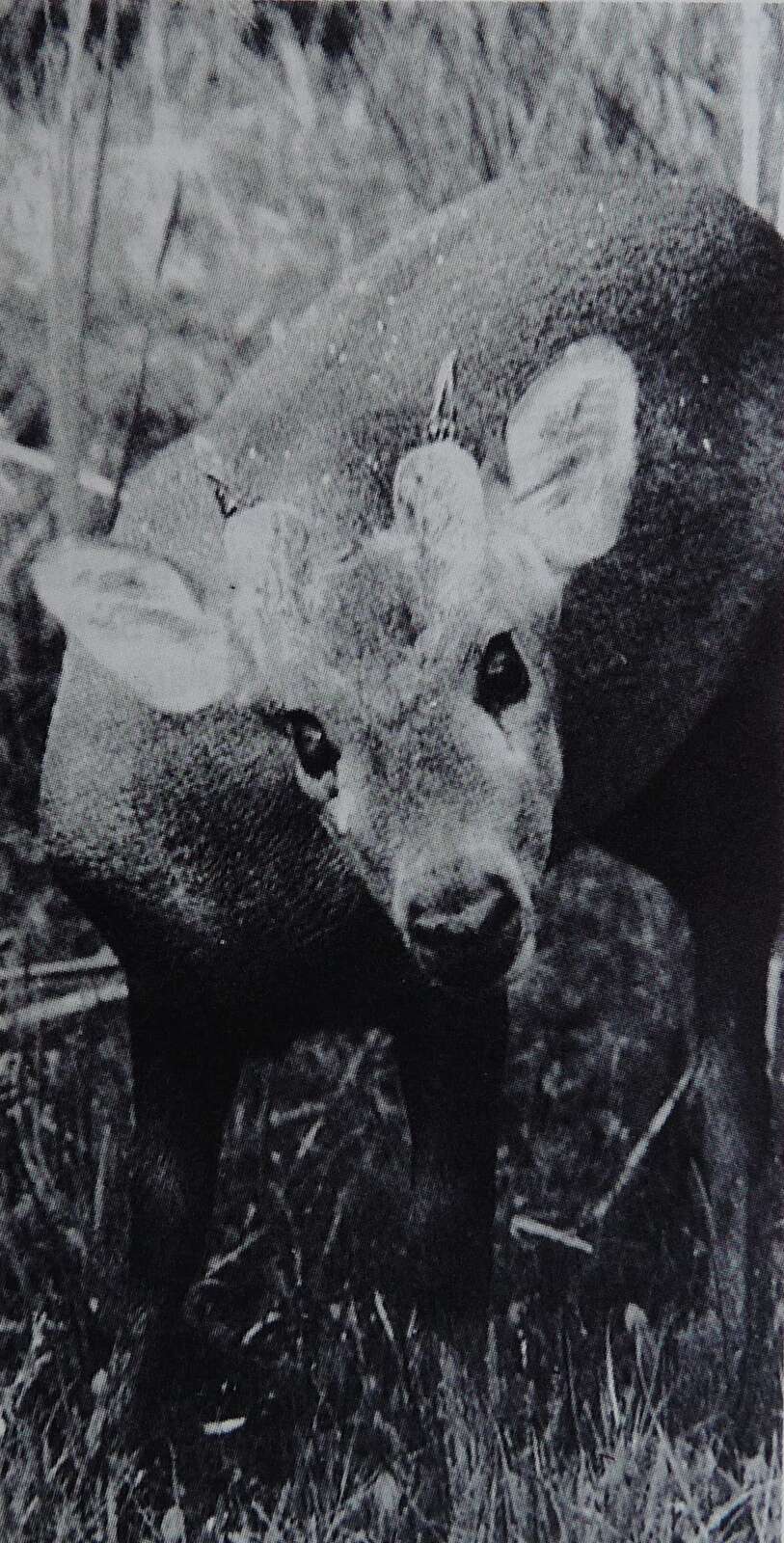
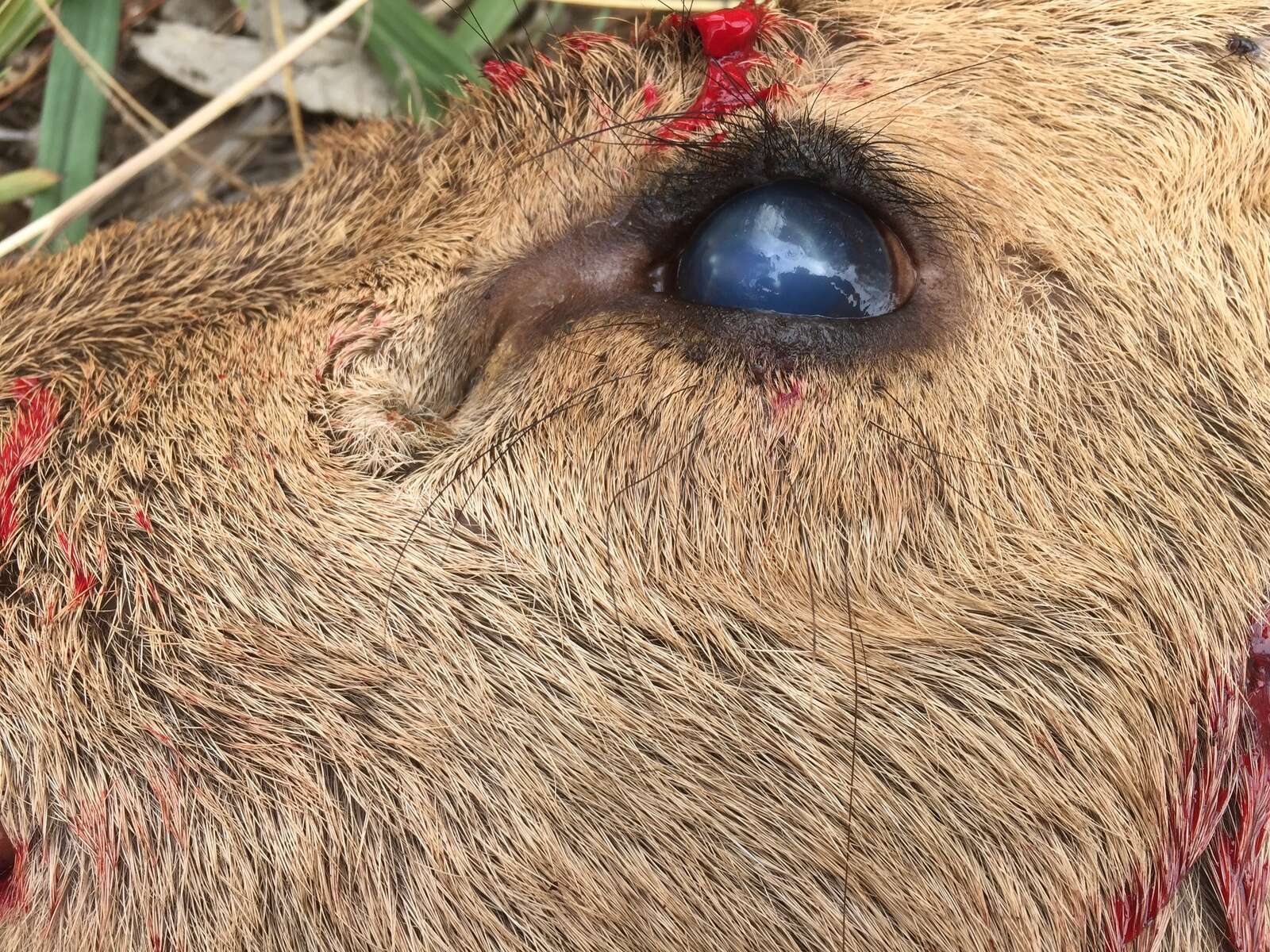
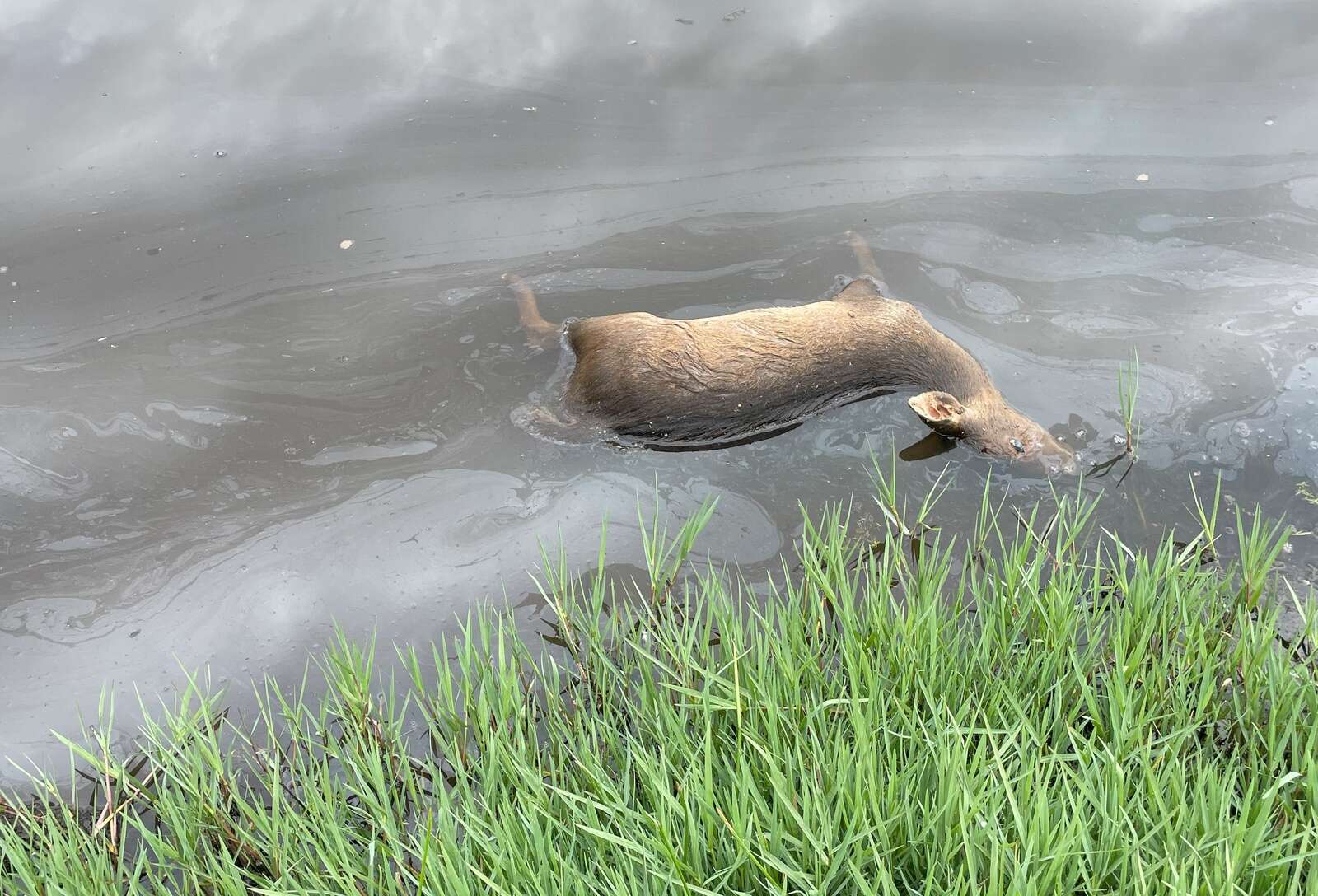
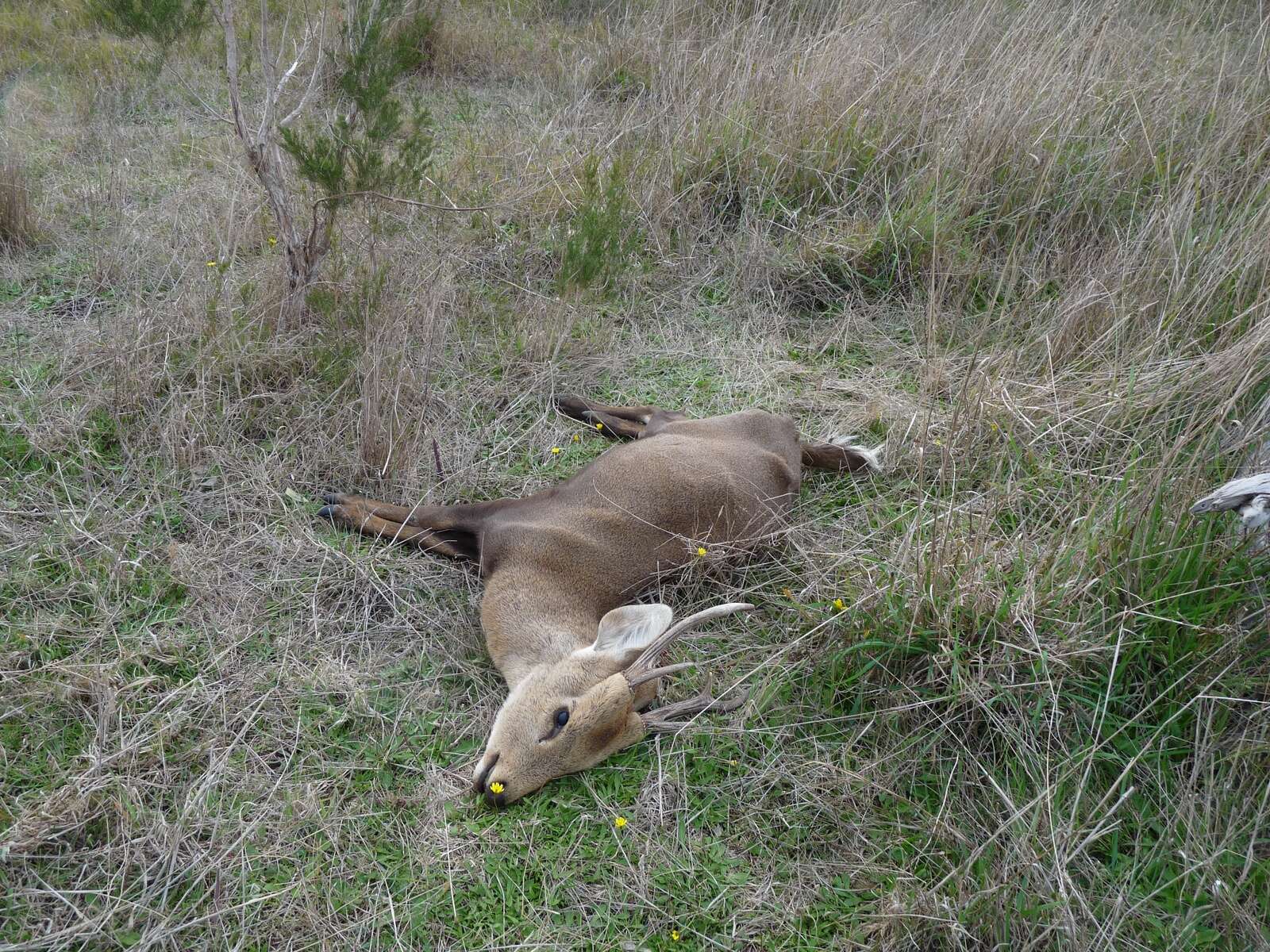
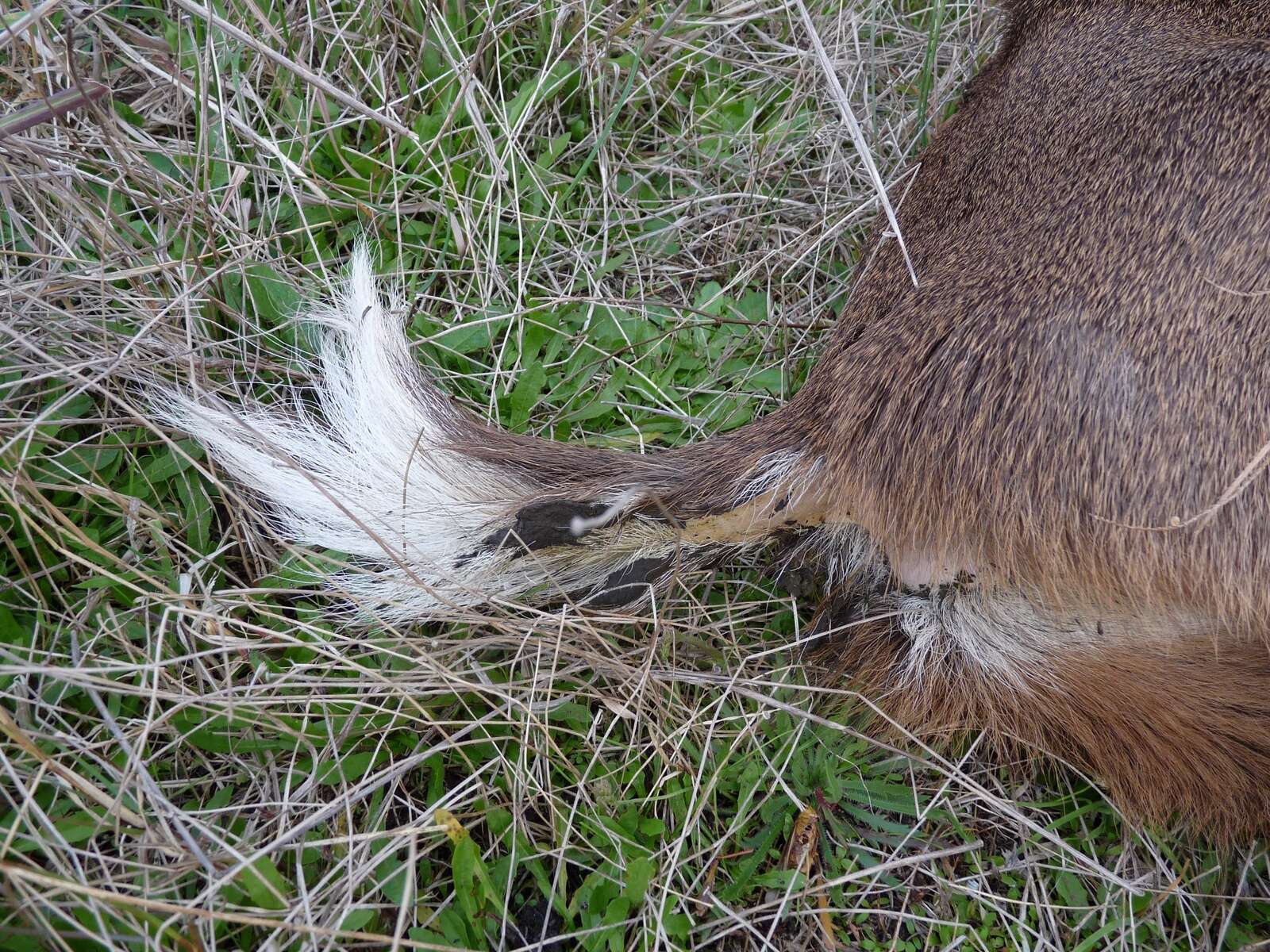
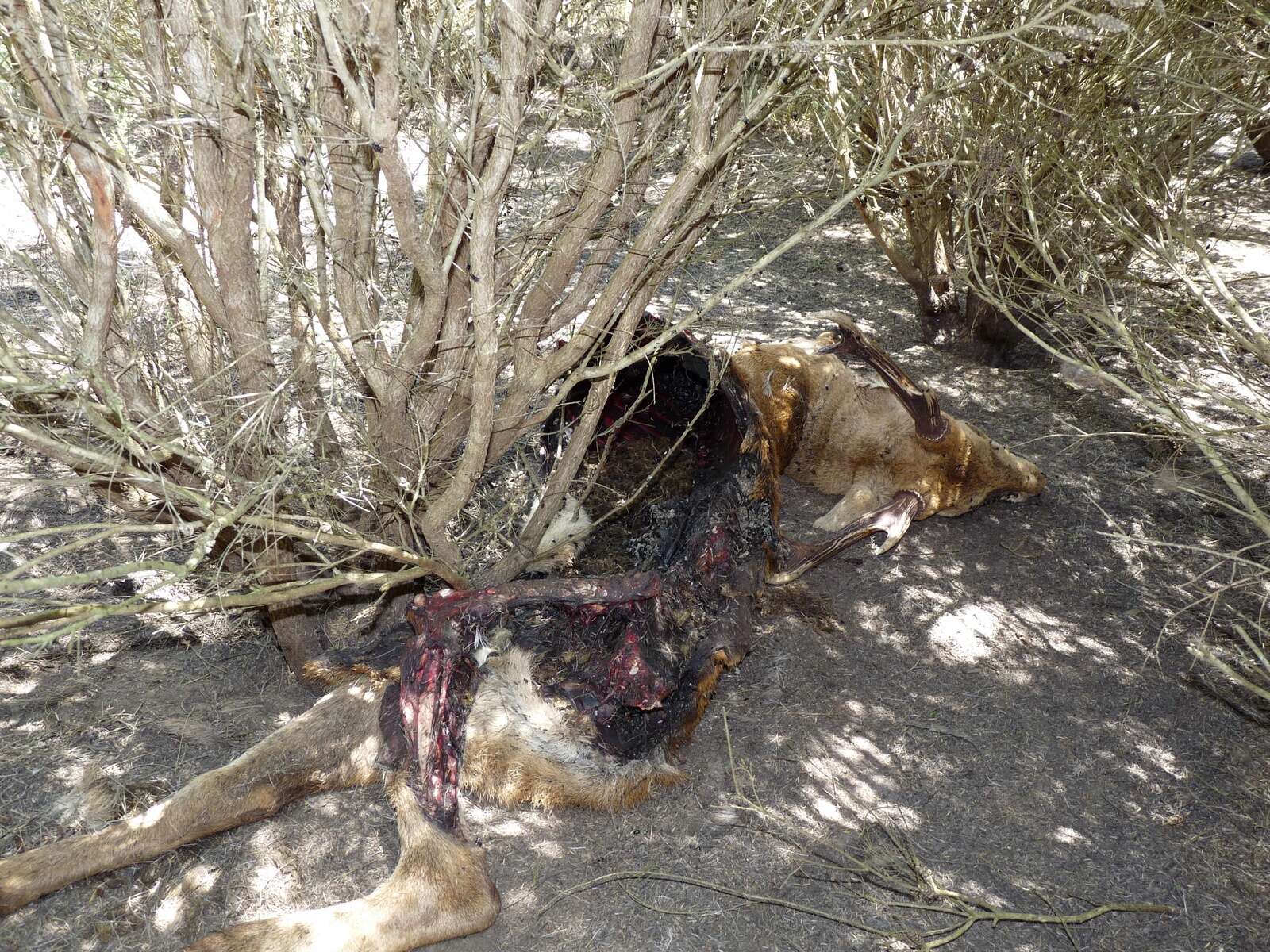
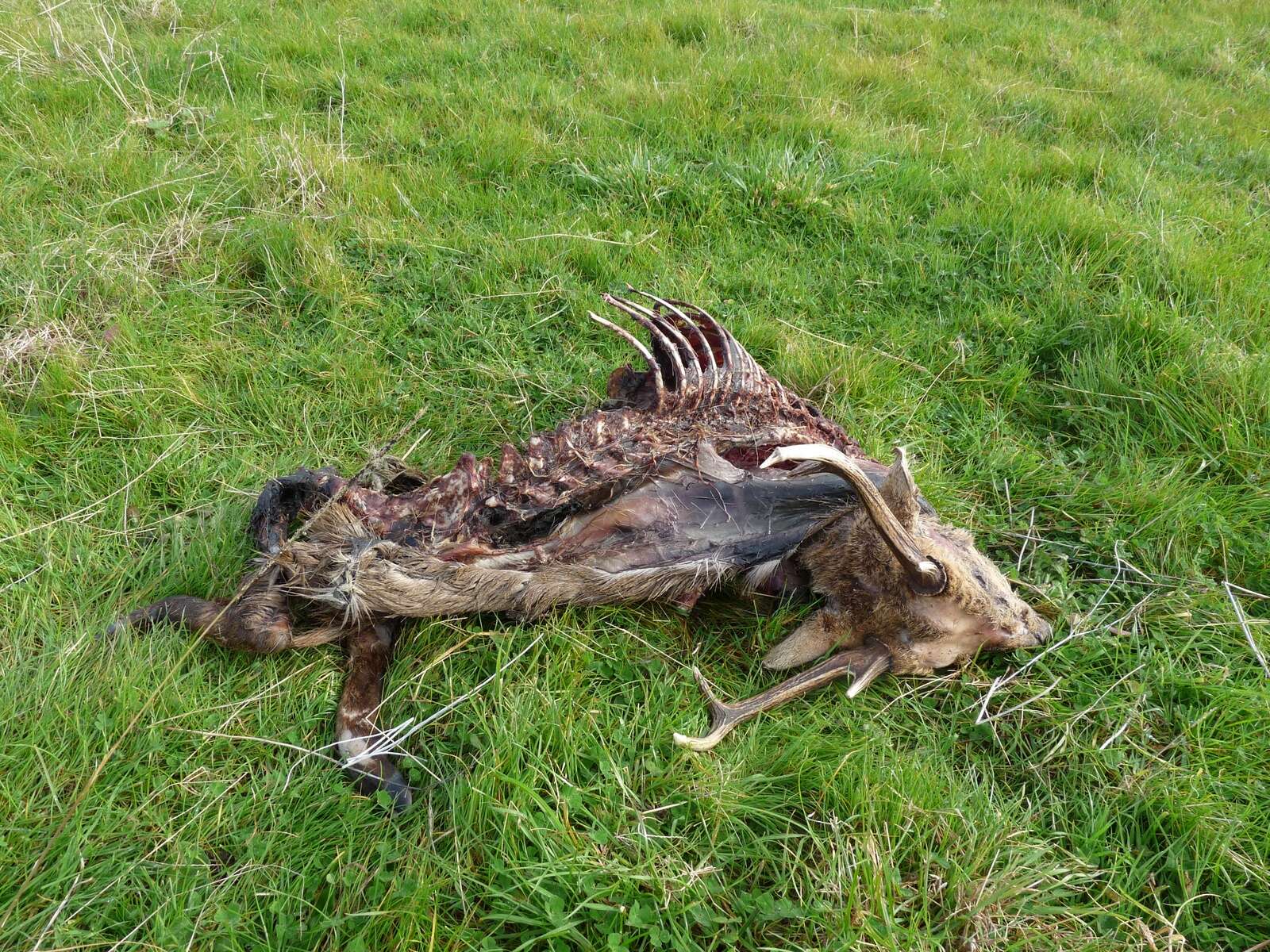
On perhaps as many as 20 occasions after the deer were released at Blond Bay State Game Reserve in the 1980s, sick or dead animals were found on farmland next to the reserve. Other animals undoubtedly died unobserved in the reserve and on other nearby farm properties. Affected animals that were found included hinds, stags and calves - probably a representative cross-section of the relatedly small (estimated to peak at about 100 animals) Blond Bay hog deer population. Prominent features seen in sick animals included blindness, loss of condition and coordination and a dirty tail. Dead animals were occasionally found floating in a farm dam and most others were found close to water.
A number of sick deer were examined at the Bairnsdale Vet Lab and all were diagnosed with the disease malignant catarrhal fever (MCF for short) that had never previously been recorded in hog deer.
Based on what I learned, I decided that MCF was probably having a significant impact on hog deer numbers in the Blond Bay State Game Reserve and elsewhere in Gippsland.
What is Malignant Catarrhal Fever?
The disease MCF occurs sporadically in a range of hoofed animals, including cattle, buffalo, bison, deer and pigs. Affected animals invariably die. The disease is caused by a herpes virus that is carried in Australia as an inapparent infection in domestic sheep and goats. The virus is present in the nasal secretions (snot) of sheep and goats and it is suggested that vulnerable animals may be infected by direct animal to animal contact, through contaminated pasture, via flies and mosquitos and through aerosols. Cool and moist conditions probably favour virus survival in the environment.
After an animal is infected, several weeks or even months may pass before disease becomes apparent. Signs of disease include fever, blindness, wasting, loss of coordination, discharges from eyes and nose, diarrhoea and lesions in the mouth and on the muzzle. Affected animals die within days or weeks of the onset of symptoms. There are no preventative vaccines or effective treatments.
A diagnosis of MCF can often be made based on the characteristic disease signs alone, but demonstrating microscopic changes in tissues has traditionally been used to firm up the diagnosis (the virus cannot be seen in tissues and cannot be grown). In recent years, detecting virus-specific DNA in tissue samples has become the gold-standard for diagnosis of MCF.
Vulnerability to MCF varies among hoofed animals – cattle are relatively resistant and disease is uncommon, but buffalo and bison show lower resistance and are more at risk, while banteng are very vulnerable to this disease. Among the deer species fallow deer are resistant to infection, disease is rare and sporadic in red deer and sambar but more common in sika, rusa and white-tailed deer, while Père David’s deer are known to be extremely vulnerable.
Why susceptibility to MCF disease varies so much among different hoofed animals or among the various deer species isn’t known but it has been suggested that it depends on whether they have co-evolved with sheep and goats and have developed a level of innate resistance to infection. This makes sense to me and would explain, for example, why fallow deer that originate from Asia Minor where sheep and goats were first domesticated are resistant to disease while species like Père David’s deer that evolved remote from sheep and goats in China are vulnerable.
While MCF is responsible for deaths in a range of hoofed animals, there is no evidence that these animals are themselves infectious to either humans or other animals – they are innocent bystanders in a disease that is solely attributable to sheep and goats.
Implications of MCF for Hog Deer
My experience with wild hog deer is a dramatic indication of how significant the impact of this disease can be and suggests that these deer fall towards the very vulnerable end of the MCF-disease spectrum. If you are planning on keeping hog deer in an enclosure, or planning on buying land to manage free-ranging hog deer, be aware of the threat posed by this disease. Observations also highlight the likely importance of MCF in suppressing Gippsland’s free-ranging hog deer populations - what was occurring around Blond Bay is clearly going to be reflecting what occurs whenever wild hog deer range overlaps with farmland carrying sheep or goats.
How close is too close to sheep and goats, is unclear. The Blond Bay deer have always fed on the adjoining farmland at night, often travelling over a kilometre to access feed or cover and bringing them into contact with both sheep and goats – contaminated pasture, aerial spread of virus or insects could all be implicated in disease transmission. Unfortunately, the Blond Bay situation doesn’t help in defining a distance that would prevent MCF infections in hog deer.
However, there are no records of MCF in hog deer on Sunday Island, an area where they have been closely monitored for over 50 years. Sunday Island is many kilometres from any sheep or goats. This separation must be too far for the virus to be carried by insects or by air currents.
The largest and most productive hog deer populations have always been on isolated areas distant from farmland. Areas that spring to mind include Boole Poole Peninsula, Lake Reeve Ranch, Snake and Sunday Island and Wilsons Promontory. By contrast, areas close to farmland have traditionally carried far fewer deer which raises the question “Why?” Is it possible that MCF (along with culling, illegal hunting, roadkill, etc.) plays a role in significantly limiting deer numbers near farmland?
The threat of MCF to hog deer in coastal Gippsland farm country will inevitably be determined by the number of properties carrying sheep and thus on the financial viability of sheep farming. In recent years sheep numbers have declined as wool prices have fallen and cattle farming has become more attractive, but a recent surge in lamb prices might reverse this trend. Certainly, isolated populations of hog deer seem to have been turning up more frequently on farmland over the past 20 or 30 years as sheep numbers have been reducing.
There has been a recent increase in the number of hunters buying marginal Gippsland farmland to manage hog deer. In my opinion, a key consideration in any land purchase should be whether there are any sheep or goats in the immediate area – perhaps within a kilometre or so and if there are, to recognise that MCF might be a problem, and maybe look elsewhere.
One final comment! Some Australian biologists, apparently working outside their area of expertise or having an anti-deer bias, have suggested that “deer affected by MCF can potentially spread this disease to livestock.” There is no evidence to support this contention and veterinary scientists who are experts in the field are clear that deer affected by MCF are dead-end hosts for this virus – they are victims, but cannot spread infection themselves!
Further Reading
There is a wealth of information on MCF in the scientific literature. If you are interested in reading more on this disease in deer go to Google Scholar on the web and search for “malignant catarrhal fever deer”.



Do you want to get the last Australian Deer news, events, updates & competitions directly to your inbox?
Enter your name & email below and we'll make sure you're the first to know!


