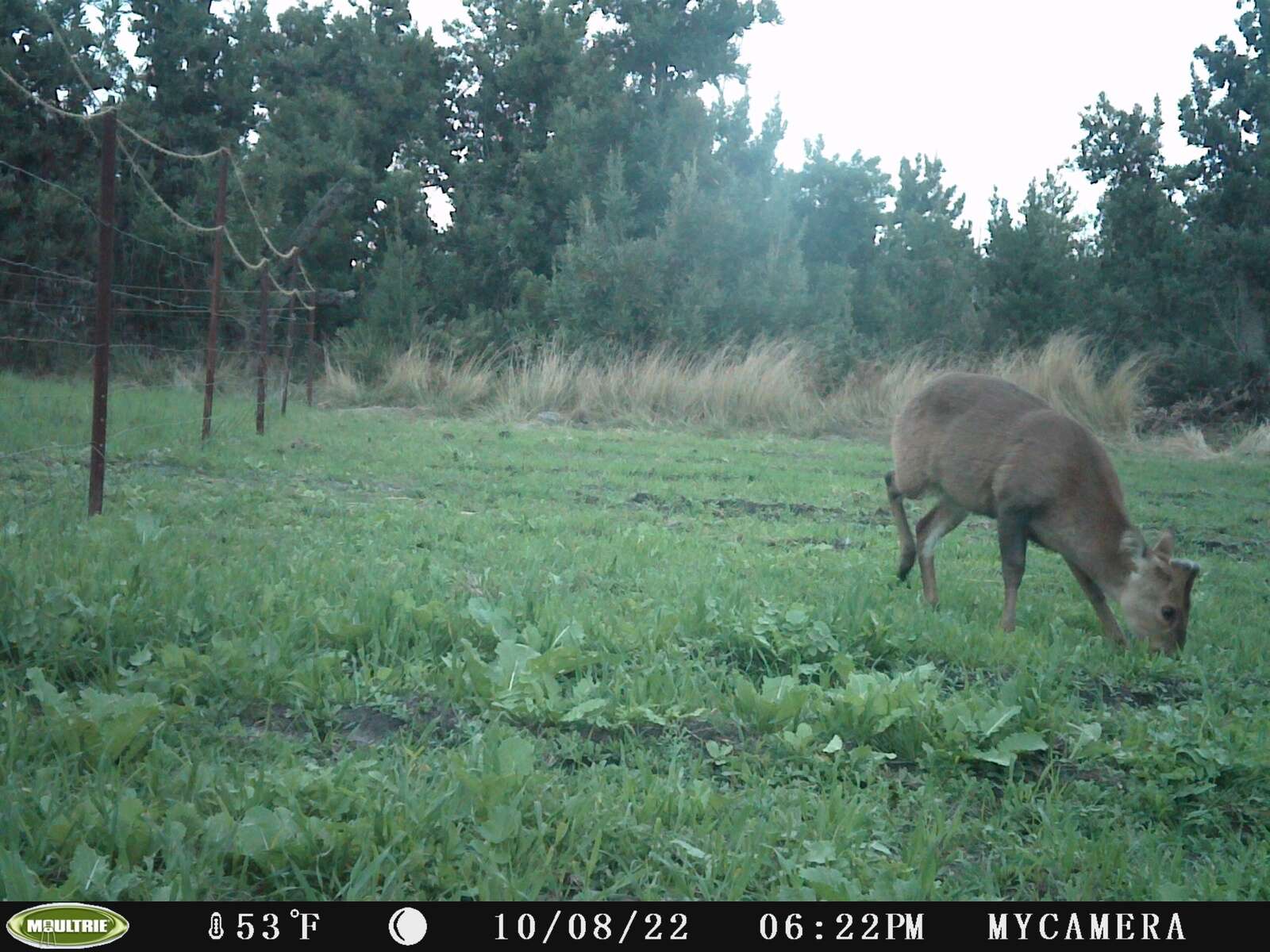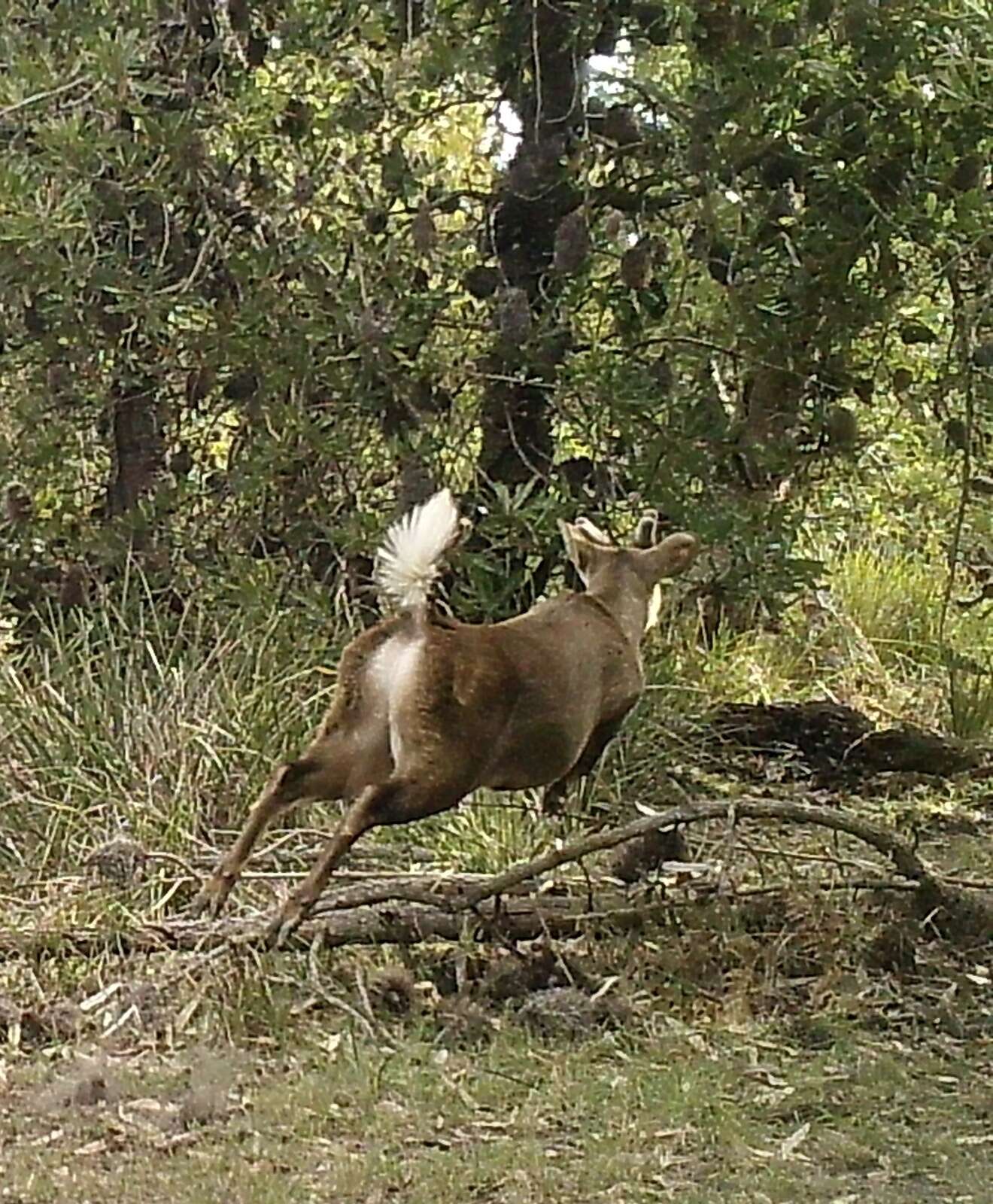
I bought a block of land in coastal Gippsland several years ago. It is just over 100 acres in size but at the time it had very little wildlife and only a few hog deer. Right from the start I wanted to change that, but what was needed?
What should I be doing, when should l be doing it, where, and in what order? In short, I needed a plan! I had a goal though, and this helped make decisions.
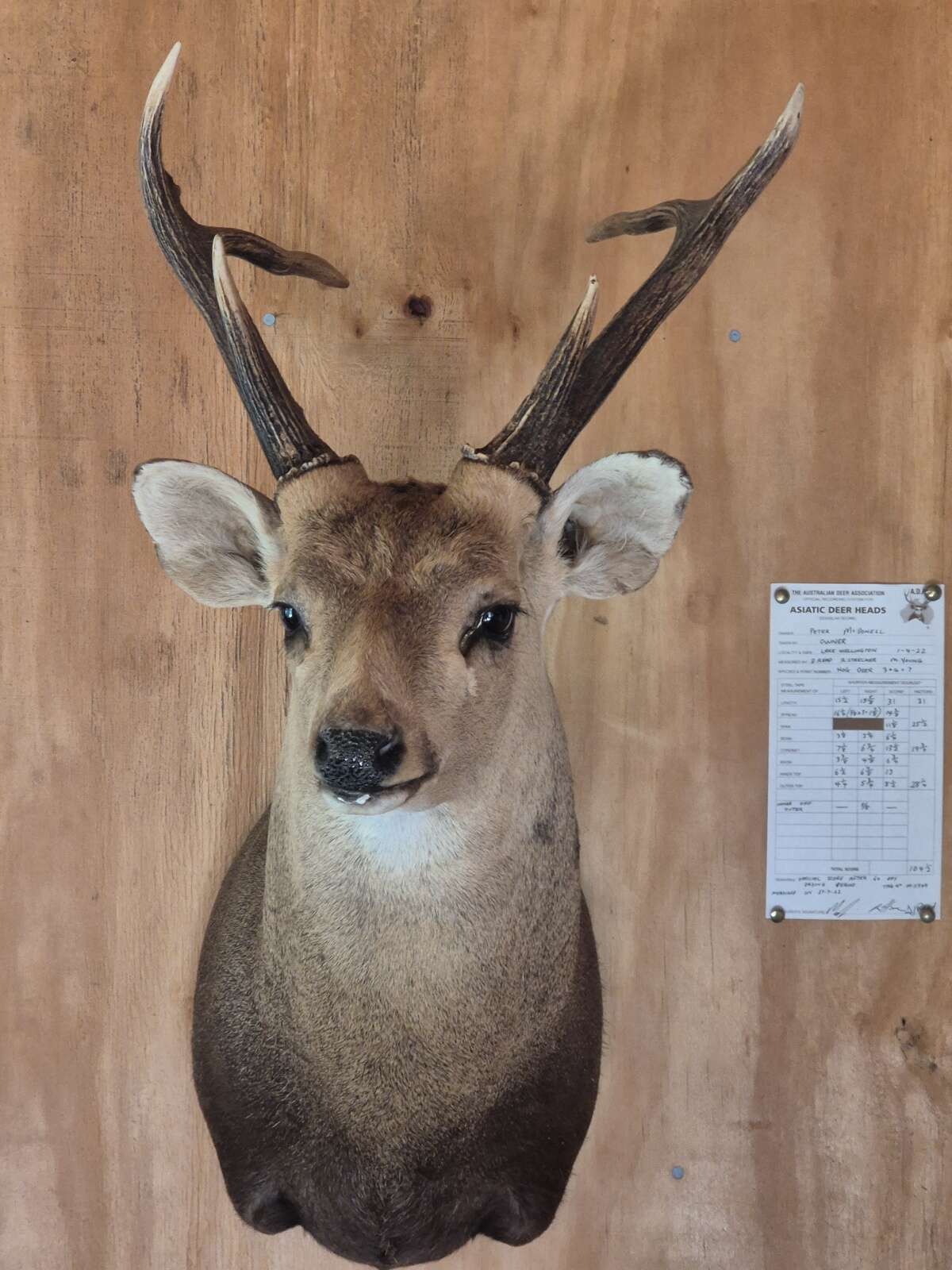
My block had plenty of scrub and tree cover that provided shelter for animals and feeding opportunities for birds but there were no reliable water sources and feed for grazing animals seemed to be scanty. The plan was to make the land as attractive as possible for all wildlife, including hog deer, by providing a permanent water supply and greater grazing opportunities with the ultimate goal of taking a trophy hog deer.
Where to start? I gathered ideas from reading books, YouTube, and other hunters. Growing up on a farm and being a hunter for over 50 years also helped…but I soon learned that even the best-laid plans don't always work out as expected. The plan was constantly changing based on things that failed, with Mother Nature being the biggest variable.
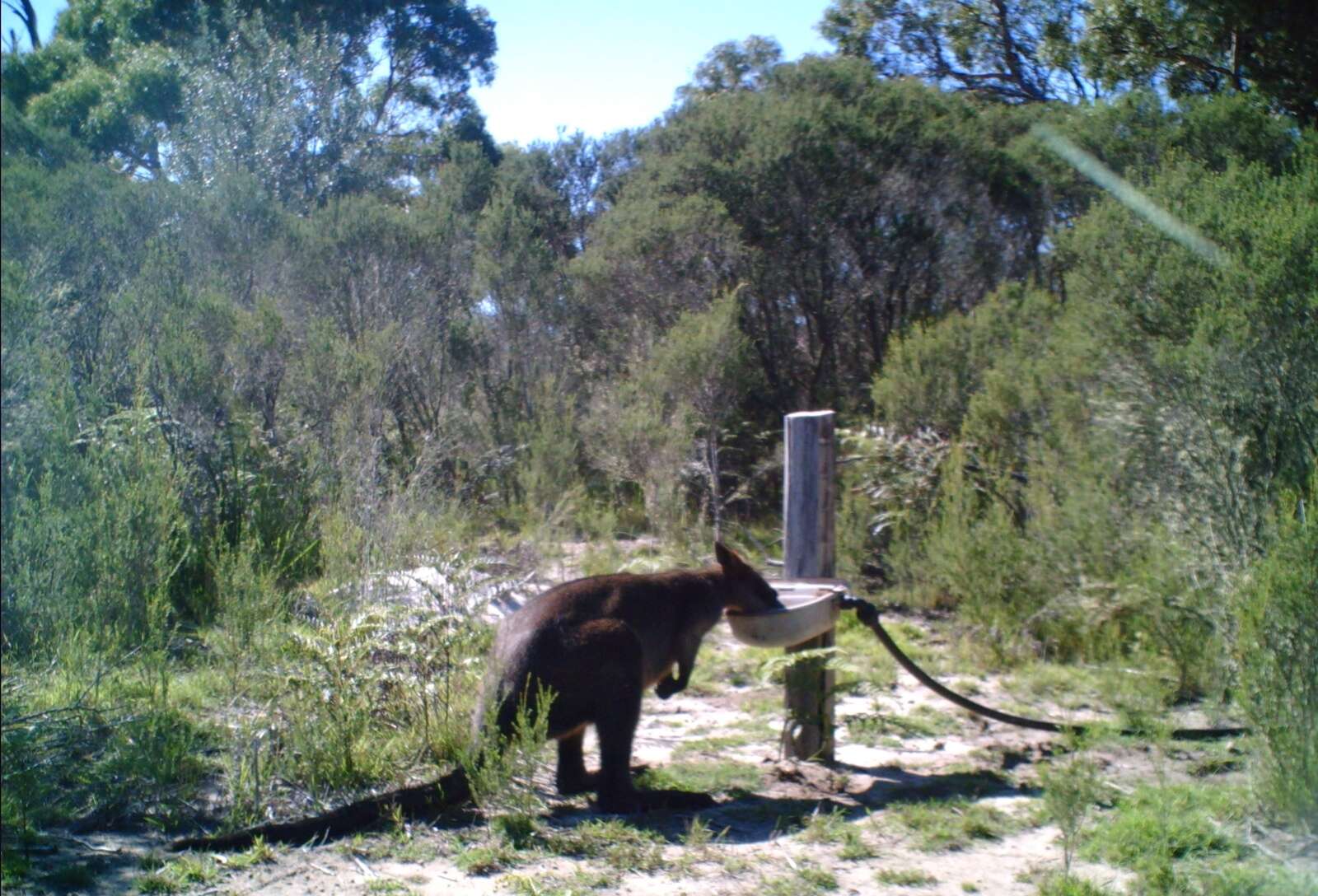
One section of the plan that worked particularly well was the construction and placement of water points. Their locations at the front, middle, and rear of the block, and having a combination of dams and tanks, made them highly effective. The only improvement would be having more rain. My water story was published in the March 2025 edition of Australian Deer.
Hog deer hunting stands were a very different story and here my planning turned out to be very hit and miss. My first stands were erected on the edges of clearings where l thought deer would emerge to feed. What I discovered was that my hog deer are so nocturnal and uncomfortable in the open that they rarely appear in such places in daylight hours and then always on high alert! Shotgun shooting on nearby wetlands during the duck season was at least contributing to this situation.
For several years I persisted with stands on clearing edges but with no luck. It was time to rethink this part of the plan. What could I do to turn the situation to my advantage? I needed to gain more information on deer movements in daylight hours, so I concentrated my trail camera placements and personal observations just inside the bush line. I discovered that the deer were, in fact, moving during daylight hours, but always within cover.
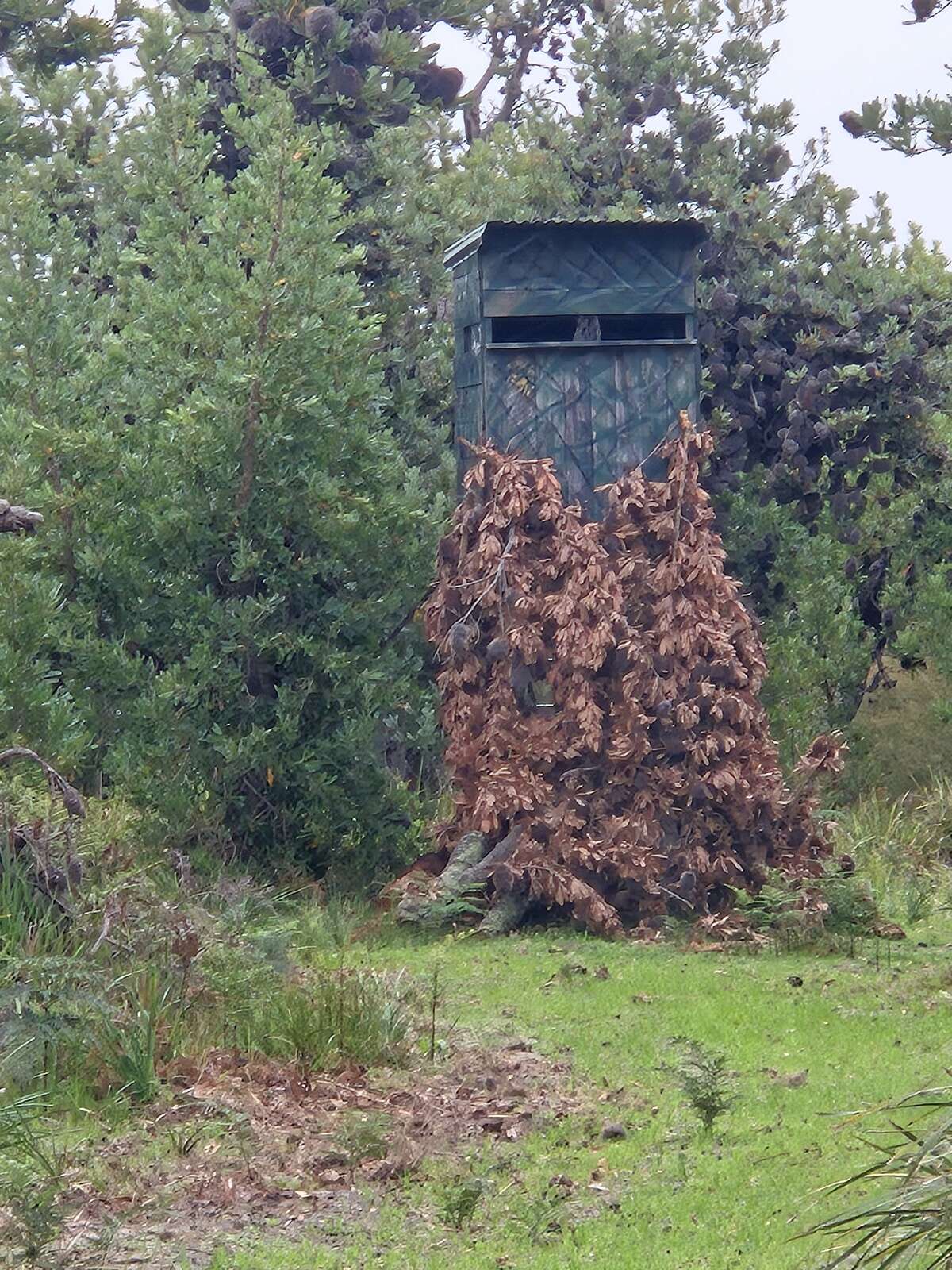
Based on this information I deciding to move my main hide a hundred metres inside the bush line, to where I had seen deer travelling the trails. Making new trails near my hide location to encourage animals to move where I could see them also became part of my plan – surely, they would prefer to walk my constructed trails rather than fight their way through tangled understory?
One thing that l learned from the start is that any plan should serve as a guide rather than being set in stone. Keeping an open mind and learning from experience is important.
My plan also has other ideas like planting trees on an east-west line to maximise shade on the southern side, which I have observed leads to better growth of native grasses in this dry, sandy coastal country. This is still a work in progress, and the type of trees could play a role in this working or not as some species do not allow grass to grow under them.
The food plot part of my plan still presents plenty of challenges and gives me a lot of enjoyment. There is still so much more to learn. I have learnt that fencing plots helps protect them from grazing wildlife while they become established, and choosing the appropriate seeds has improved growth in some locations. For the full story of my battles with food plots refer to the September 2025 edition of Australian Deer.
Although my plan is forever changing, I now had water points, habitat, food plots and hunting hides in place plus a few deer but not as many as I would like.
The next challenge for me was figuring out how to make everything work together. I spent a lot of time thinking about this and researching what is done overseas with food plots, hides, and water points.
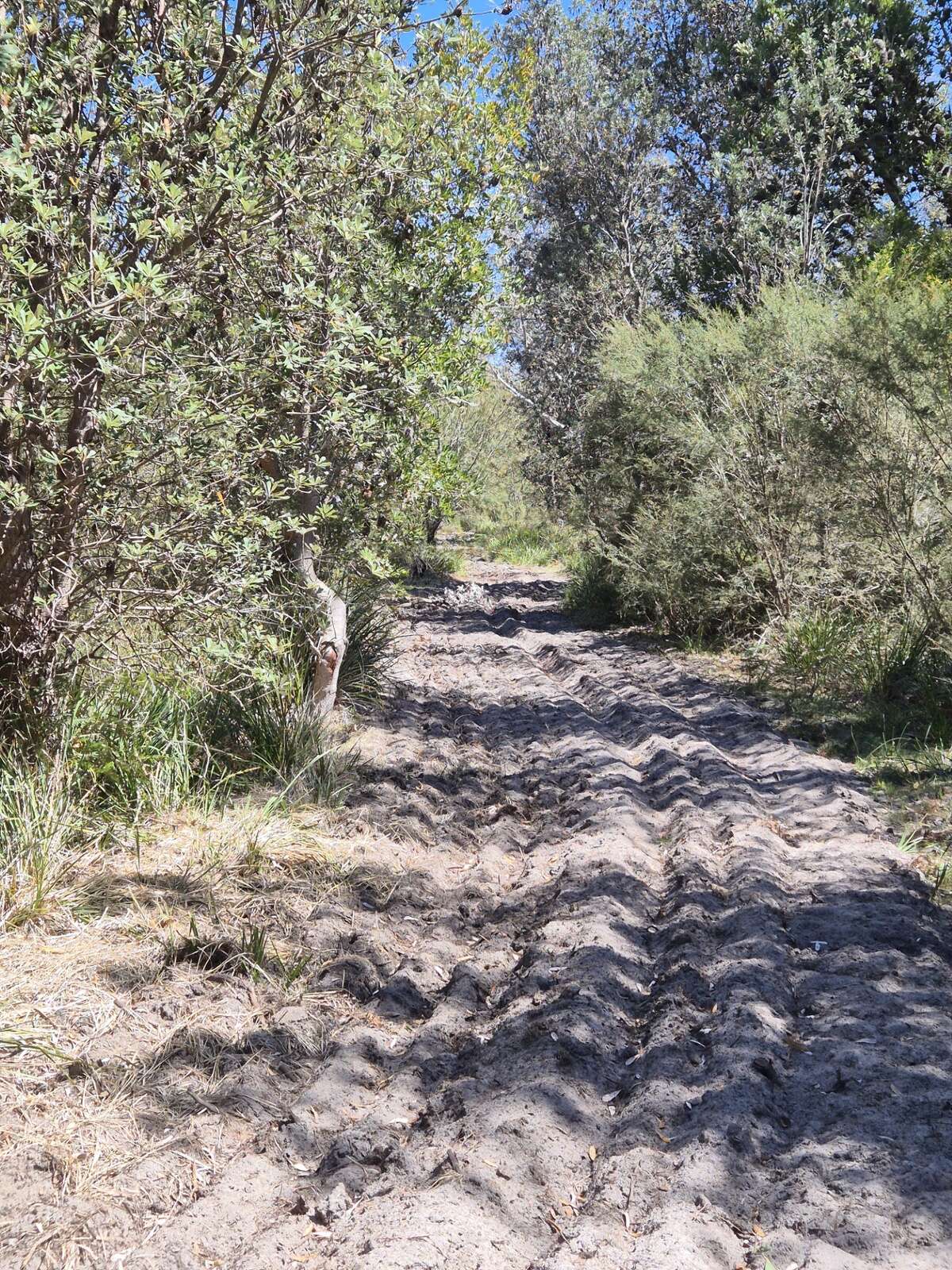
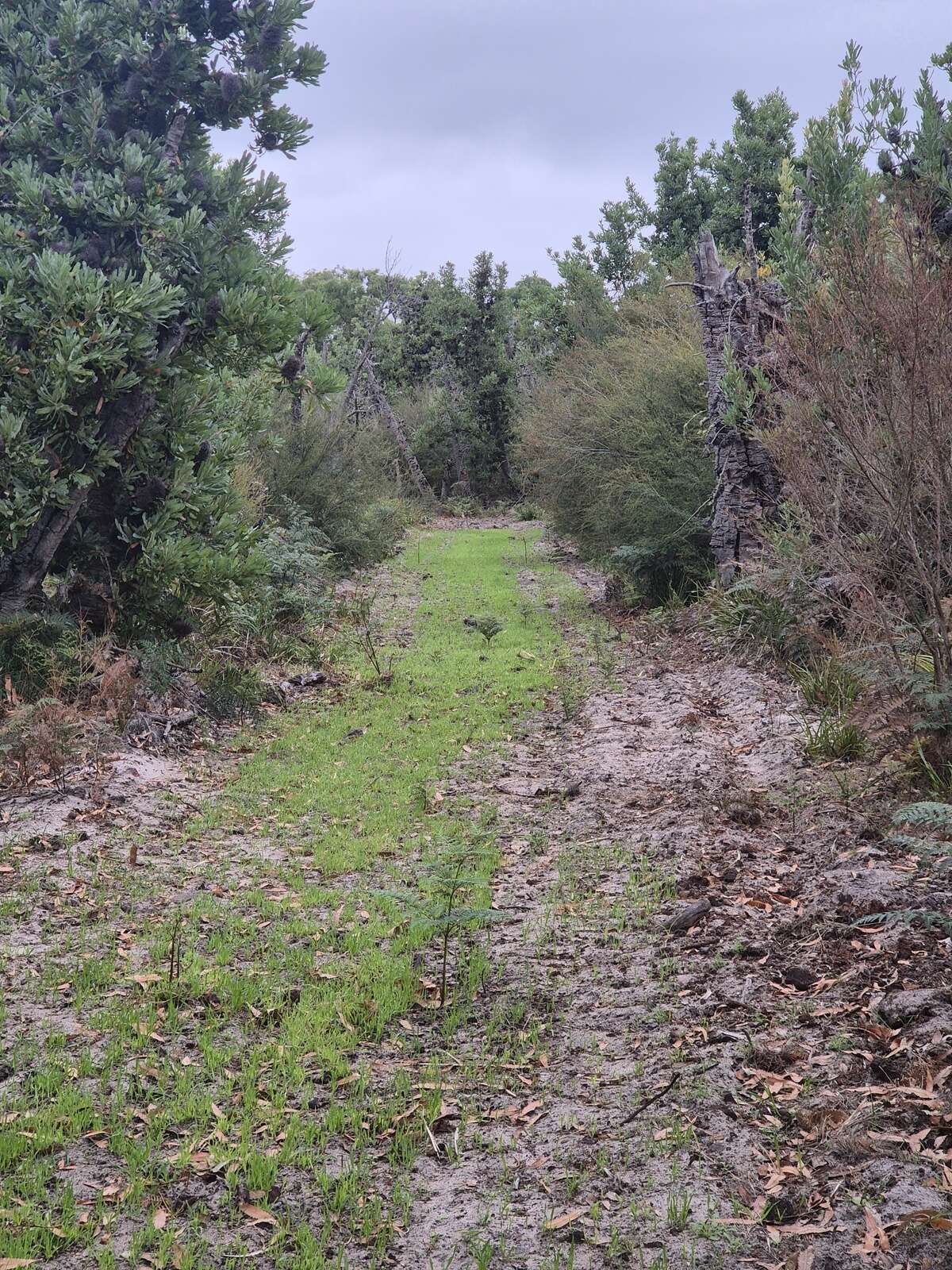
Connecting them all together using several trails just wide enough for the tractor and slasher and also utilising the existing vehicle tracks seemed like a good idea. This made it easier to access hunting areas and also for maintenance. While creating this network of paths I avoided all of the mature trees. This resulted in paths that wandered, allowing me to approach bends and quietly check in front. This turned out to be a winning innovation – what a fluke!
With these first trails in place, I wanted to create more trails, this time looking at it from a hunting perspective. I thought about wind directions, the sun, available cover, and whether I could enter and exit without disturbing any wildlife.
In the USA hunting land managers employ ‘hinge cutting’ - sawing part way through dense stands of small trees to make an area of forest better for deer. The hinge-cut trees fall but survive, opening up the canopy to provide better growth of vegetation, providing more browsing opportunities and bedding areas for deer and potentially creating natural barriers to animal movement. While l did like the theory of hinge cutting, I didn’t want to cut my trees.
As a kid I trapped rabbits along wire netting fences by laying branches on the ground leading to my traps set on pop holes. It worked! Maybe natural barriers to funnel hog deer could be made by throwing branches to one side while l walked my paths? This would tend to direct animals along the game trails that I wanted them to use to potentially make them more visible during the April open season – one benefit of hinge cutting, but without any hinging!
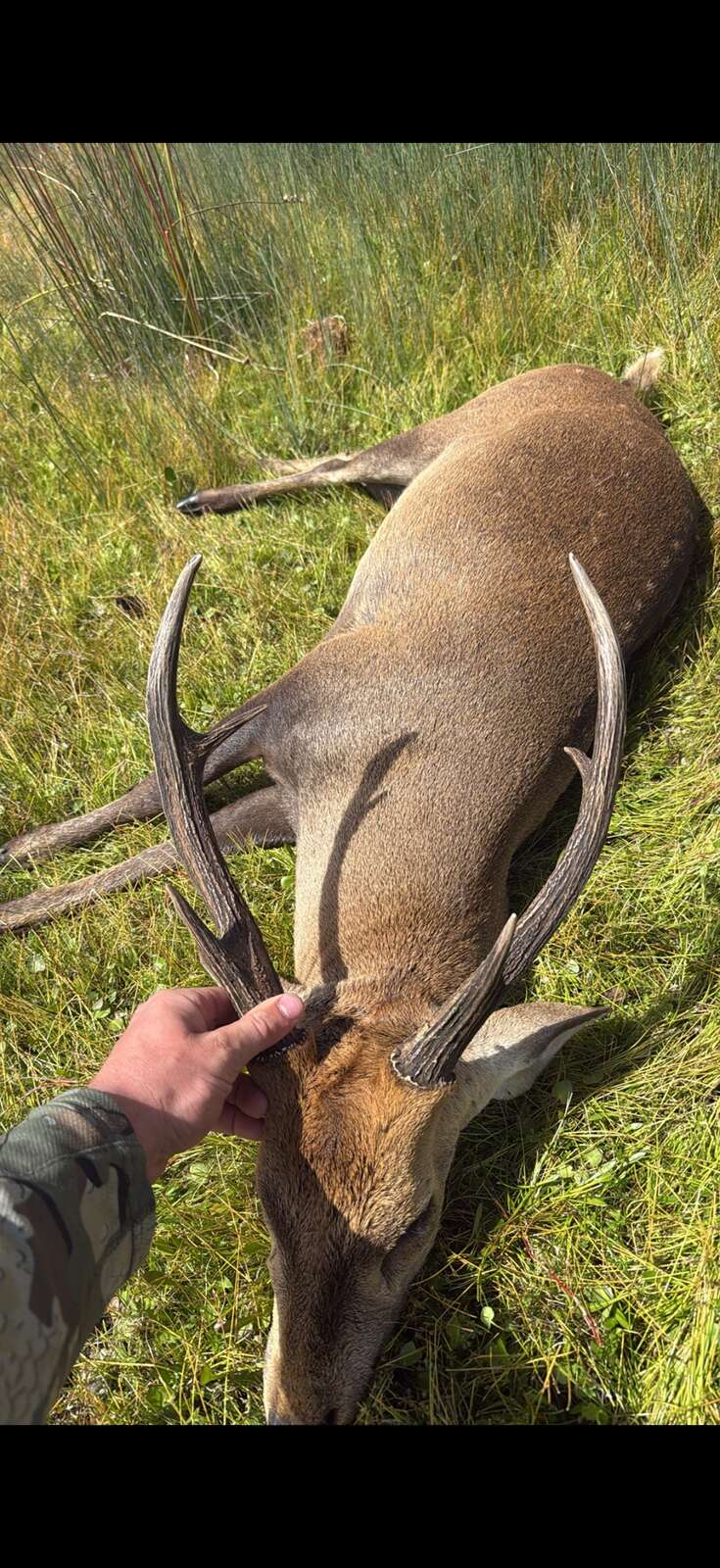
There are obviously so many ideas out there that I know my plan will be forever changing – but I have a plan! Some may say that what I am doing is wrong. However, the world of hunting is constantly changing with new tools like callers, decoys, range finders, and thermal devices. I spend 12 months each year looking after hog deer and other wildlife species. For just one month, I hunt, and if I am lucky or choose to, I may take one deer.
I am not a guru on any of this and in the big picture of things l know very little. The reason I write my articles is to encourage more landowners and hunters to get involved in land and wildlife management. It can be rewarding and l think it is vital for our futures.