Neal Finch says there are lessons to be learned from international deer hunting communities
Many Australian deer hunters might look overseas to compare hunting opportunities. Frequently we see articles in Australian hunting literature on New Zealand, our closest neighbour with an abundance of publicly available hunting areas and long-established deer hunting traditions. Some aspire to hunt in Africa, which doesn’t have many deer but does have lots of antelope. Many might look to the USA with 11 million dedicated deer hunters as representing the epitome of how deer hunting should be. Finally, there’s Europe with long held hunting traditions and for many Australians, the basis of any hunting heritage. We have much to learn from these examples and just as individuals keep growing whilst they keep learning, so do communities. This article aims to explore some considerations from other deer hunting communities around the world.
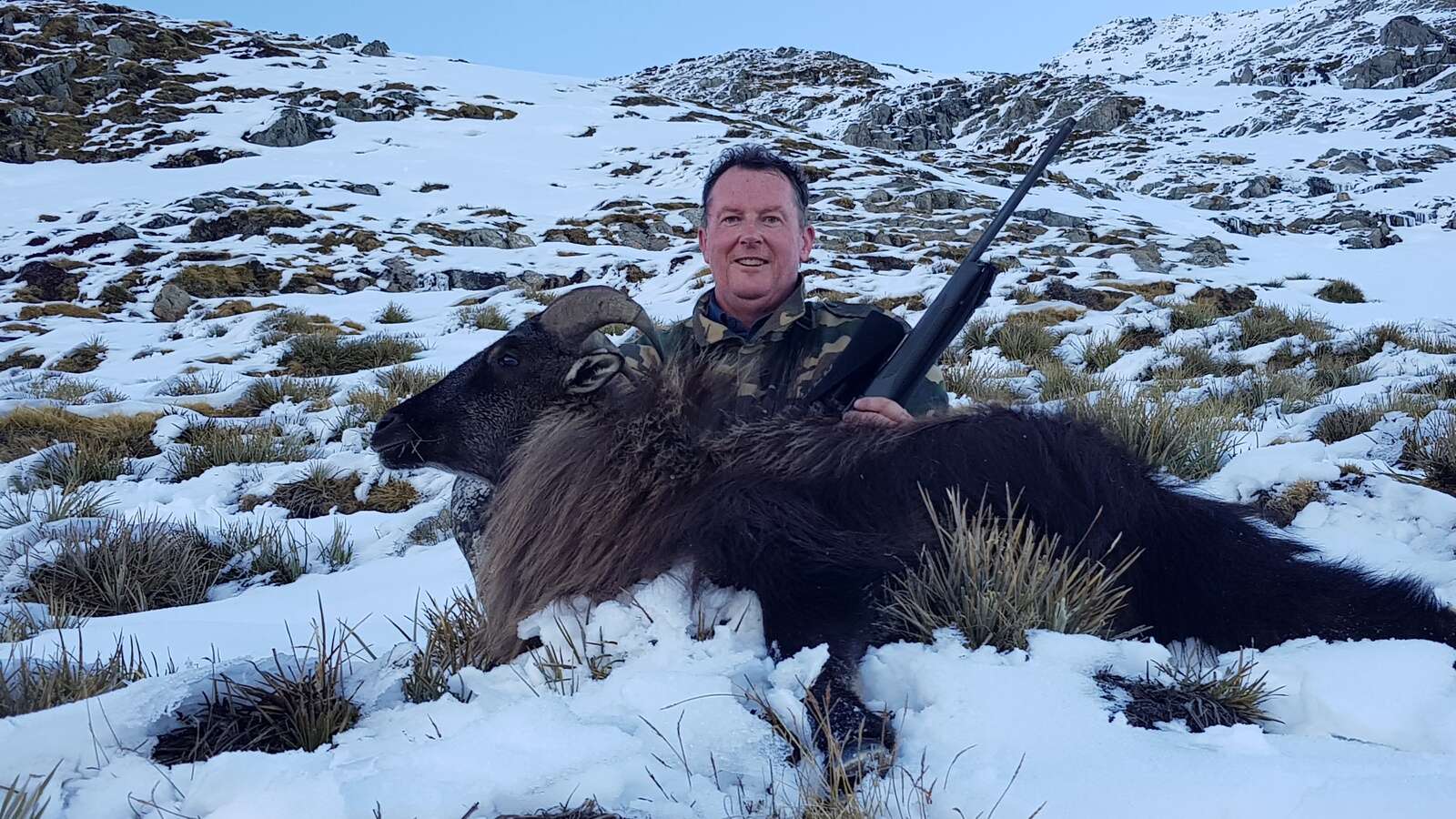
Easy to get to, with shared histories and a slightly favourable exchange rate, New Zealand has long been considered a hunting paradise by many Australians. I’m old enough to remember when Australian hunting magazines rarely featured articles about deer hunting in Australia. By contrast it seemed every male Kiwi living over here missed the ubiquitous deer hunting back home. Much of the hunting apparel available in Australia today (Ridgeline, Stoney Creek, Swazi) are New Zealand brands reflecting the depth of hunting culture from the other side of the Tasman. There are seven species of deer to hunt and over seven million hectares of public land available for hunting. Somewhere between one and three percent of the population are active deer hunters today.
New Zealand has a dedicated Minister for Fishing and Hunting and a Game Animal Council advising the Minister on matters relating to hunting. Herds of Special Interest exist where the government aims to manage the deer as a dedicated public hunting resource. These are institutions many Australian deer hunters advocate for in Australia. Yet deer were declared environmental and agricultural pests in New Zealand as early as the 1930s. For most herds, on most lands, this status continues to this day. The Department of Conservation’s Wild Animals Management Program “aims to maintain or achieve deer free areas, prevent the spread of deer and manage their numbers to reduce pressure on native plants and habitats” over most public lands.
Kiwis have given the world many noteworthy inventions including electric fences; the disposable syringe and of course bungy jumping. Most relevant to this discussion is New Zealand also invented commercial harvesting of wild deer on an industrial scale. Beginning with ground-based hunting in the early 1960s, the industry was turbo charged with the use of helicopters by the 1970s. Today the industry continues with at least four facilities processing wild harvested venison on the South Island. Known as Wild Animal Recovery Operations the industry is licenced to harvest deer from public lands and is seen by DOC as contributing to pest control.
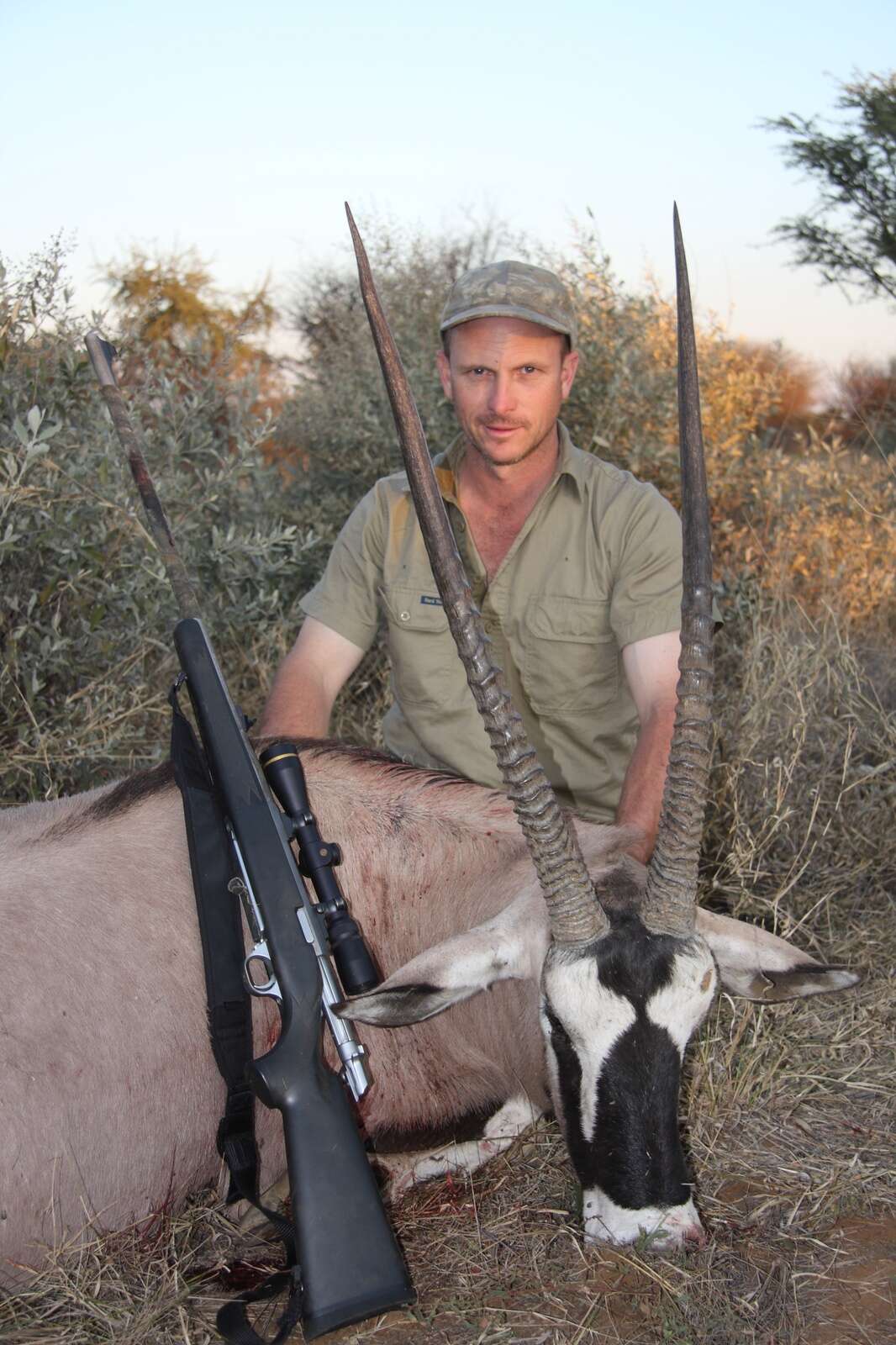
There are wild deer in Africa, but not many. The barbary stag occurs in the very north of the continent but is currently rare and not legally hunted. Some introduced herds of deer occur on game ranches throughout the continent. By contrast antelope are numerous and widespread throughout Africa. More related to goats and cattle than deer, there are over 70 species of antelope present in Africa. They are a popular group of game species attractive to many of the world’s deer hunters and therefore worthy of consideration here. Australian deer hunters are most likely to visit southern Africa if they do go. South Africa’s game ranches are particularly popular and relatively achievable destination for many. Virtually all legal hunting of game anywhere in Africa is paid for and guided. The profession of PH (Professional Hunter) is a valued career path in southern Africa. Game ranching and dedicated hunting lands transformed the conservation status of many of the continent’s wildlife during the twentieth century by placing a financial value on the animals. In marginal lands where agriculture can be moderate at best and impossible at worst, paid hunting can be a viable economic land use.
Originally, game ranching began with hunting trophies seen as the main economic resource. As the industry matured, breeding and sale of live animals became another leading income stream. More recently the game meat industry has developed into a standalone viable alternative to domestic livestock production. Most game ranches today would capitalise on all three income streams where possible. Non-hunting tourism is of course the other significant income on many of the same properties.
South Africa’s Department of Forestry, Fisheries and the Environment has a dedicated plan to transform and grow the game meat industry and support over 200,000 jobs by 2030. And here lies an important message. The trophy hunting industry in Africa, although beneficial to conservation outcomes, was established by, and for, wealthy white people from within Africa and abroad. This raises important issues around privilege, power and what is commonly referred to today as social licence. Guided trophy hunting changed conservation and saved many species in southern Africa during the twentieth century. While it is likely to continue for many years to come, it is game meat harvesting that is revolutionising land management across southern Africa today.
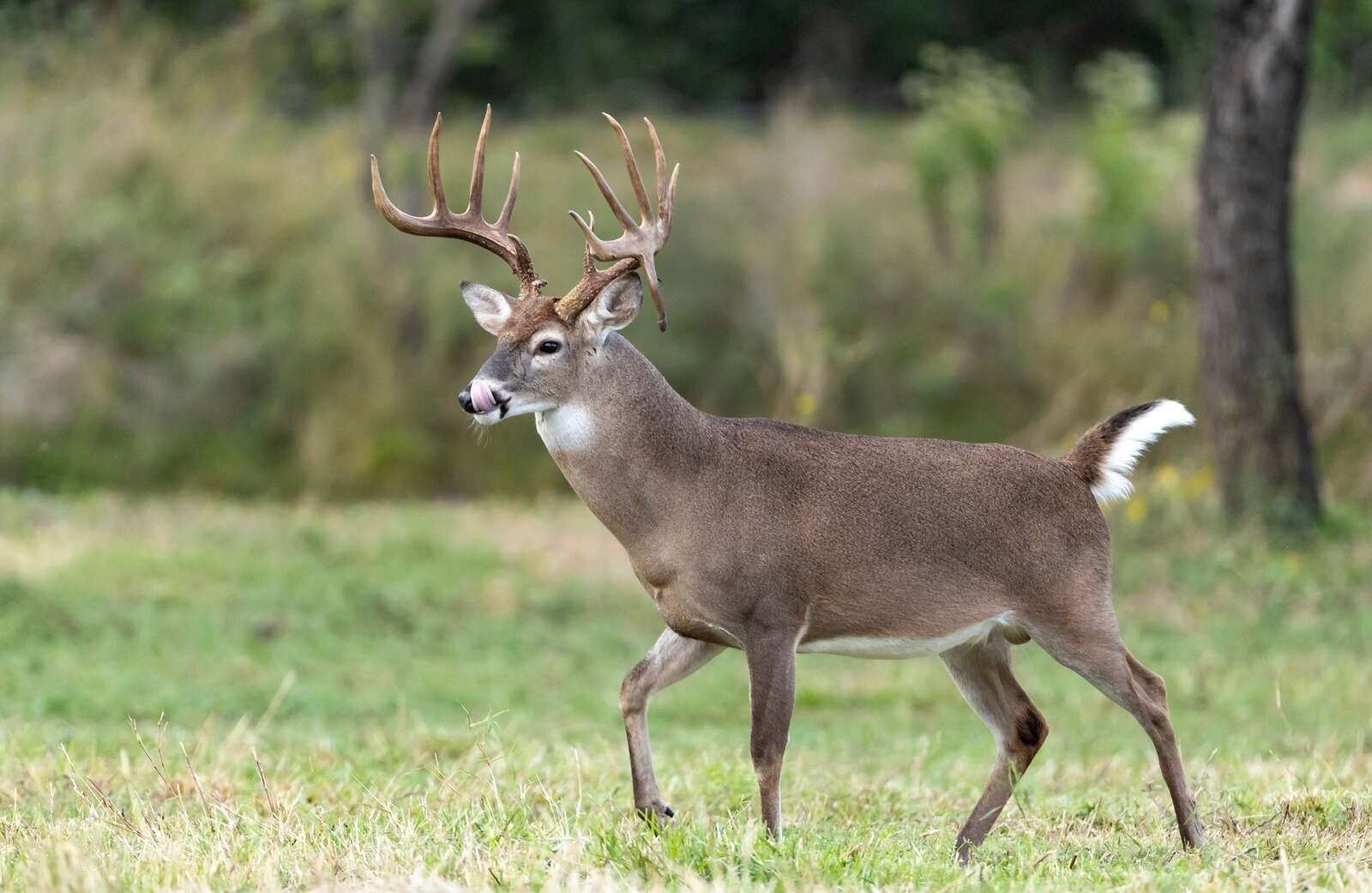
Over 6 million white-tailed deer were harvested in the USA in 2024. That number grows even larger when elk, moose, mule deer, black tail deer, pronghorn antelope and introduced deer species from game ranches are added. No where else in the world supports such a large, well-funded and influential deer hunting community like the USA. So much equipment is manufactured for and promoted by this community that we are swamped with US centric deer hunting information, and it is easy to surmise they must know everything. But marketing can skew reality, that’s part of its job after all.
The establishment of the North American Model of Wildlife Management in the early twentieth century is a conservation success story. Born from the aftermath of devasting unregulated commercial hunting in the preceding centuries it grew from the grass roots up to become enshrined in law and the collective US hunting psyche. Deer were available to the masses to hunt but only within limited seasons and only for personal use. Females were to be protected as the breeding herd and old males past their prime should be the goal of any true hunter. This model is a fascinating study of human behaviour as much as wildlife management. In the period of one generation a new hunting culture emerged. Based on good science this harvest strategy (together with deliberate introductions, predator control and supplementary feeding practices) brought nearly all deer populations across the USA back from local extinction or threatened status.
By the 1960s most American deer biologists believed they knew how to manage wild deer. The deer hunting community believed this also as there was plenty of deer to hunt for all. By the 1980s many wildlife biologists were raising concerns that the model was too good and problems were starting to appear. Today, overabundant wild deer are one of the USA’s biggest wildlife management problems. Many restrictions are being changed to hunting incentives to harvest more deer. In many places dedicated antlerless hunting seasons (targeting females) occur before male seasons and in others publicly funded ‘sharpshooters’ (American term for professional wildlife controller) cull large quantities of deer. Government regulators and wildlife biologists are trying to alter the model that worked so well in the past. There is a growing push to allow the commercial use of wild deer once again. Today’s deer hunting community is responding far slower than their forefathers to address the current management issues.
The final piece of information I think noteworthy to this discussion is deer hunter numbers are declining across the USA and have done all this century. While the overall number of deer hunters is still very large the rate of decline is around 2% per annum. This creates two problems for wildlife managers and regulators. First a considerable portion of the money raised for conservation comes from taxes paid by hunters. Second, less hunters are available to harvest an increasing deer population.
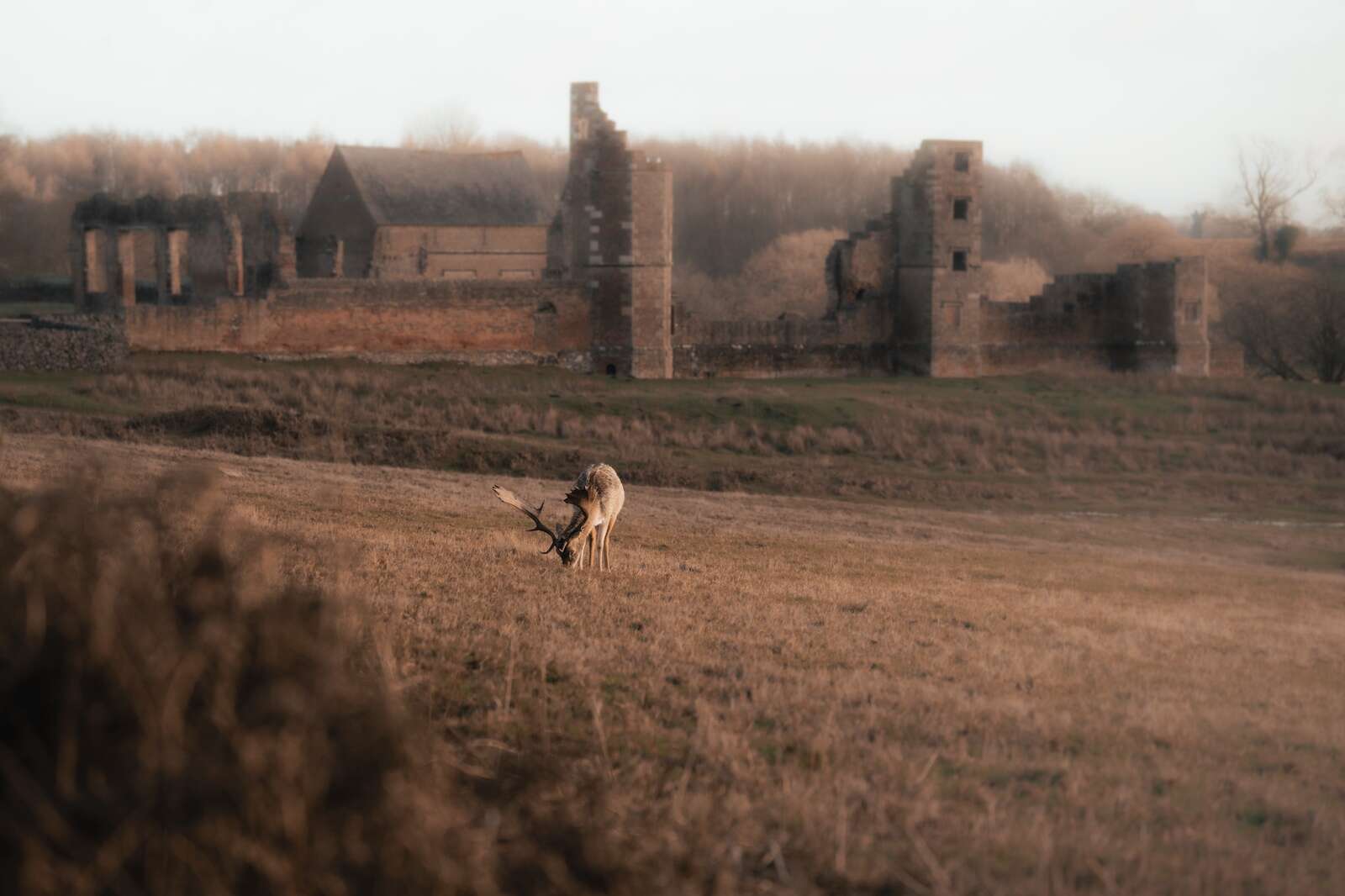
Europe is home to 7.5 million hunters and the source of many Australian hunting traditions. Historically deer hunting in Europe was for an elite class only. With the rise of Napolean and the toppling of the old elite classes, the deer herds of Europe were decimated for food. Right up until the 1960s the conservation of Europe’s deer was unstable at best over much of the continent. That situation is vastly different today. Think of any problem deer are blamed for in Australia and the exact same issues exist across Europe, where most deer herds occur within their native, historic ranges. Disease transmission is an added significant issue for humans and domestic stock across Europe and North America. It’s one management issue that wild deer do not cause in Australia.
I am going to restrict my discussion here to deer management in the UK, because every European country (and indeed district) has different and unique history, culture and issues today. I also believe that deer management in the UK has the most to offer Australians. Of the six species of deer in the UK only two are native. This adds yet another issue to deer management that we don’t have, hybridisation with native species. The issues of environmental, agricultural and forestry damage, vehicle collisions and public safety all exist exactly like they do in Australia. To address these issues, in 2023 Scotland made changes to legislation designed to facilitate greater reductions of wild deer herds across the country. Most notably male deer can be hunted year-round and night shooting is now encouraged.
More recently in February 2026 the UK government announced the English Deer Strategy. The strategy aims to address the increase in deer numbers over the last 50 years and all the issues that go with high densities of deer. Public and private landholders across the country will be able to access financial support to reduce deer numbers. Training qualifications will be enhanced and encouraged while licencing will be streamlined to assist in deer reductions. Assistance will be provided to the wild venison industry to maximise the use of all culled deer, including public procurement policies for venison. No change will be made to the Deer Act 1991 that treats all deer, native or introduced, the same. Althouigh there are professional deer cullers in the UK, most deer harvested are taken by non-professionals. With the need to harvest more deer the number of deer hunters is increasing. Very few deer are wasted, regardless of who does the harvest.
So, what can the Australian deer hunting community learn from this summary from other countries? Firstly, I believe the most important message is being native or introduced has little bearing on any management issues caused by deer. Across Australia kangaroos and wallabies can cause many of the same problems as deer. Around the world native deer cause the same problems they do in introduced environments and sometimes more. It’s density of animals that’s more important than any endemic status.
Secondly, across the world deer populations have increased in the last 50 to 60 years. Reasons include successful conservation programs based largely around hunting regulations and changes to agricultural practices. In all cases a lack of natural predators is closely linked to deer population growth. Hunting, harvesting or culling, humans are killing more deer than ever before to address management issues caused by overabundance.
Thirdly, commercial harvesting of deer can coexist with non-commercial hunting. It exists where densities are high enough to ensure a continued supply. At low densities it becomes uneconomical and therefore doesn’t occur. Low density deer herds have better overall health and productivity than high density herds.
I’m sure many readers will realise I have cherry picked what aspects of deer hunting and management occurs around the world to discuss. There is so much more that could be included here, but I hoped to demonstrate some common themes that I am aware of. This brings me to a final observation I wish to share. Hunting mature male deer as a trophy has a genuine historical conservation basis. In North America and some areas of Europe it incentivised the restraint required to assist recovery of depleted herds while allowing the continuation of a deer hunting culture. In Africa it financed the conservation of species and habitats that were destined for annihilation otherwise. But the conservation needs of wild deer herds around the world have changed. So too have the non-hunting community’s values and expectations. The historical conservation basis for trophy hunting is no longer relevant where most deer populations exist today. To stay relevant, valid and appreciated by a broader society, deer hunting cultures everywhere are adapting. New traditions and customs will become the norm just as riflescopes replaced open sights. Today’s deer herds need hunters more than ever, but the way we help wild deer has changed.