The alarm went off at 3 am and the familiar mix of excitement and nerves jolted me awake. I finished loading the last of my gear into my hunting buddy Max’s ute, with the long drive south to some of New South Wales’ most rugged, untamed terrain stretched out ahead. This wasn’t just a hunt; it was a five-day public land odyssey into steep gullies, dense scrub and unpredictable weather, where every step and every decision could make the difference between success and disappointment.
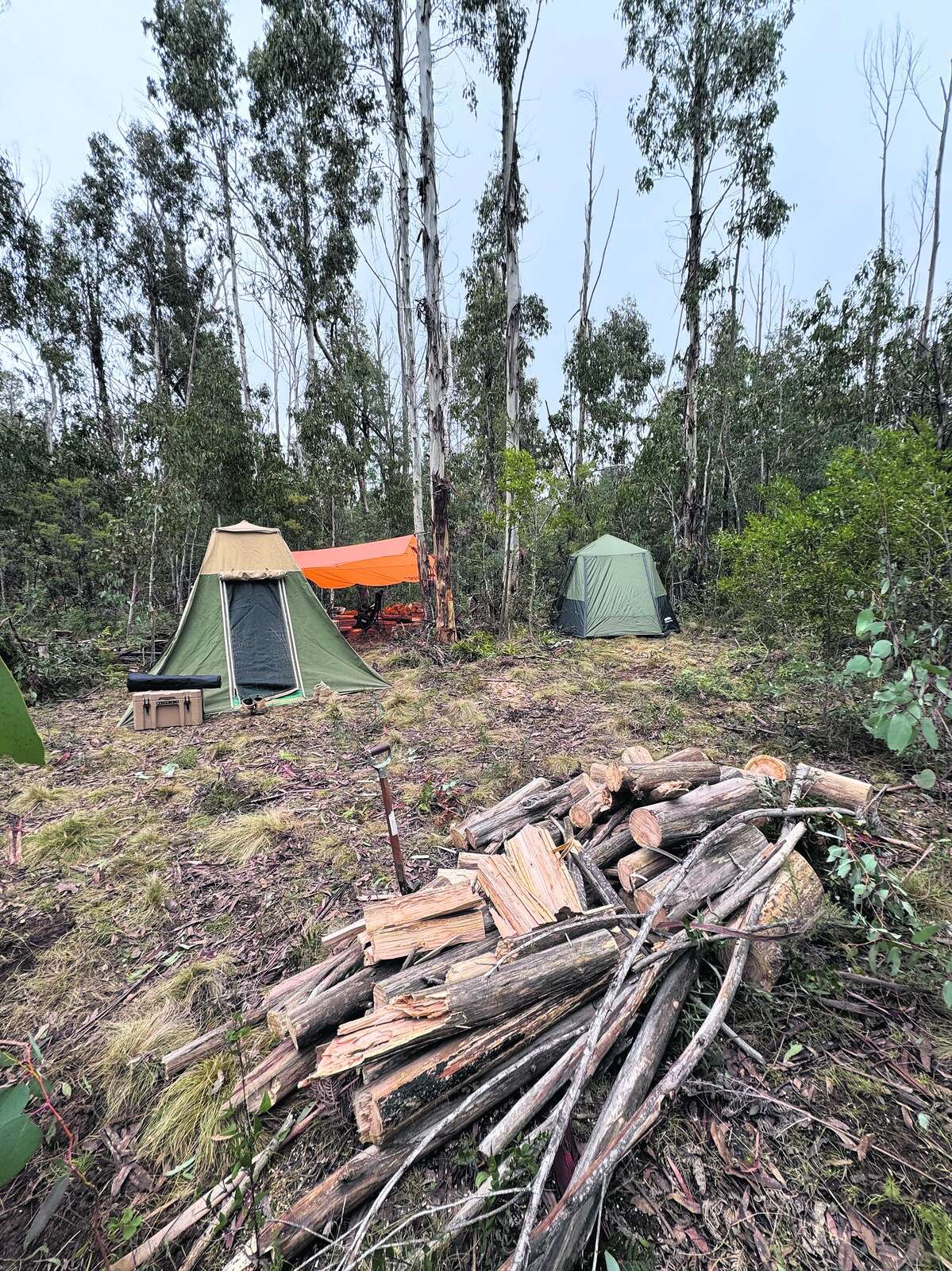
The roads were dark, but as the drive went on and we got closer to our destination, we couldn’t help but wonder how this hunt would turn out — and it did not disappoint. Coffee in hand, I felt the adrenaline building with every kilometre. By mid-morning, we arrived at camp, nestled in some thick bush off the beaten track. The air was crisp, carrying the earthy scent of damp soil and wet leaves, a promise of the wilderness to come. We set up camp with enough time for an afternoon hunt until last light and saw some fallow bucks and does, but nothing of any size.
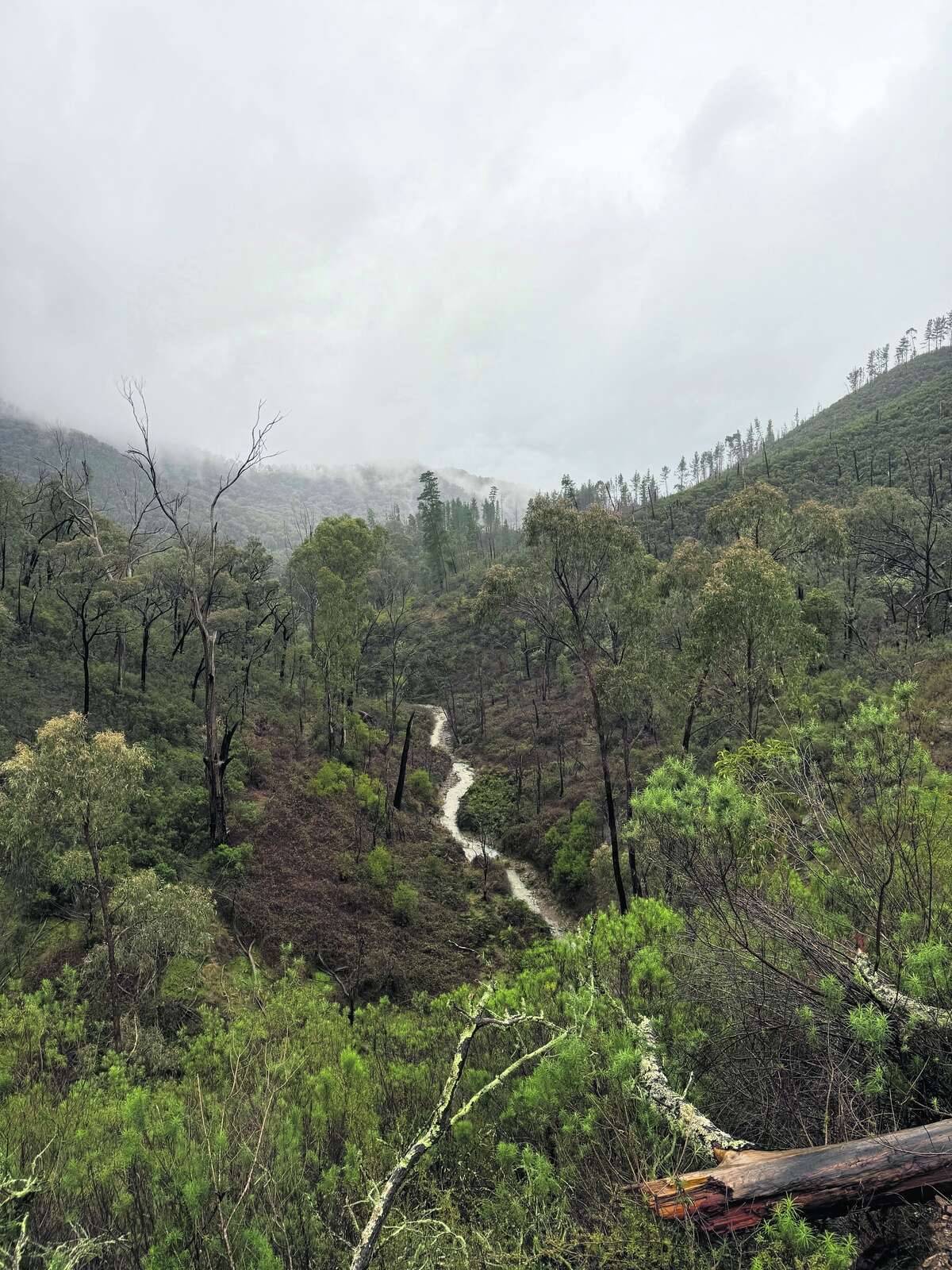
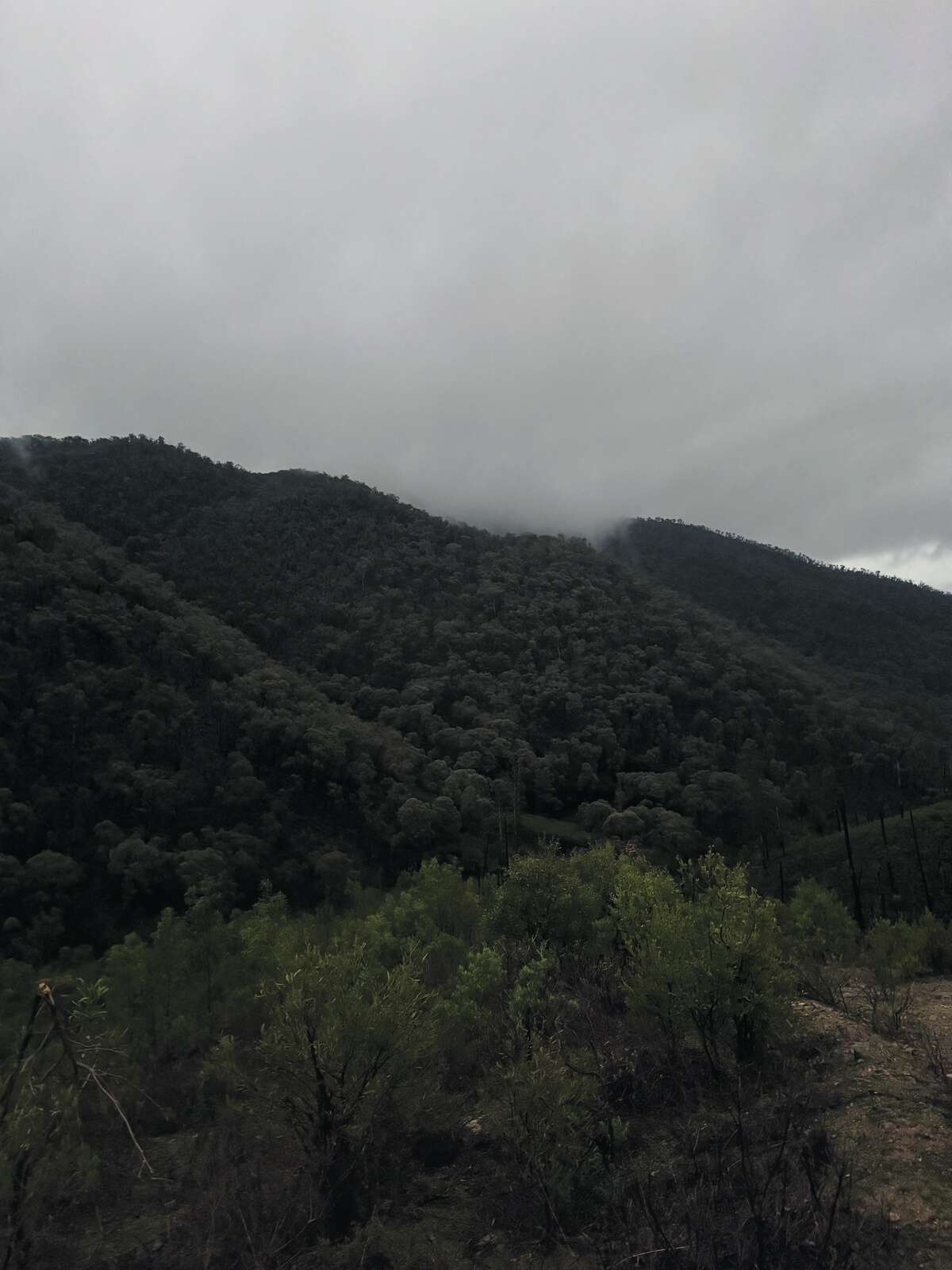
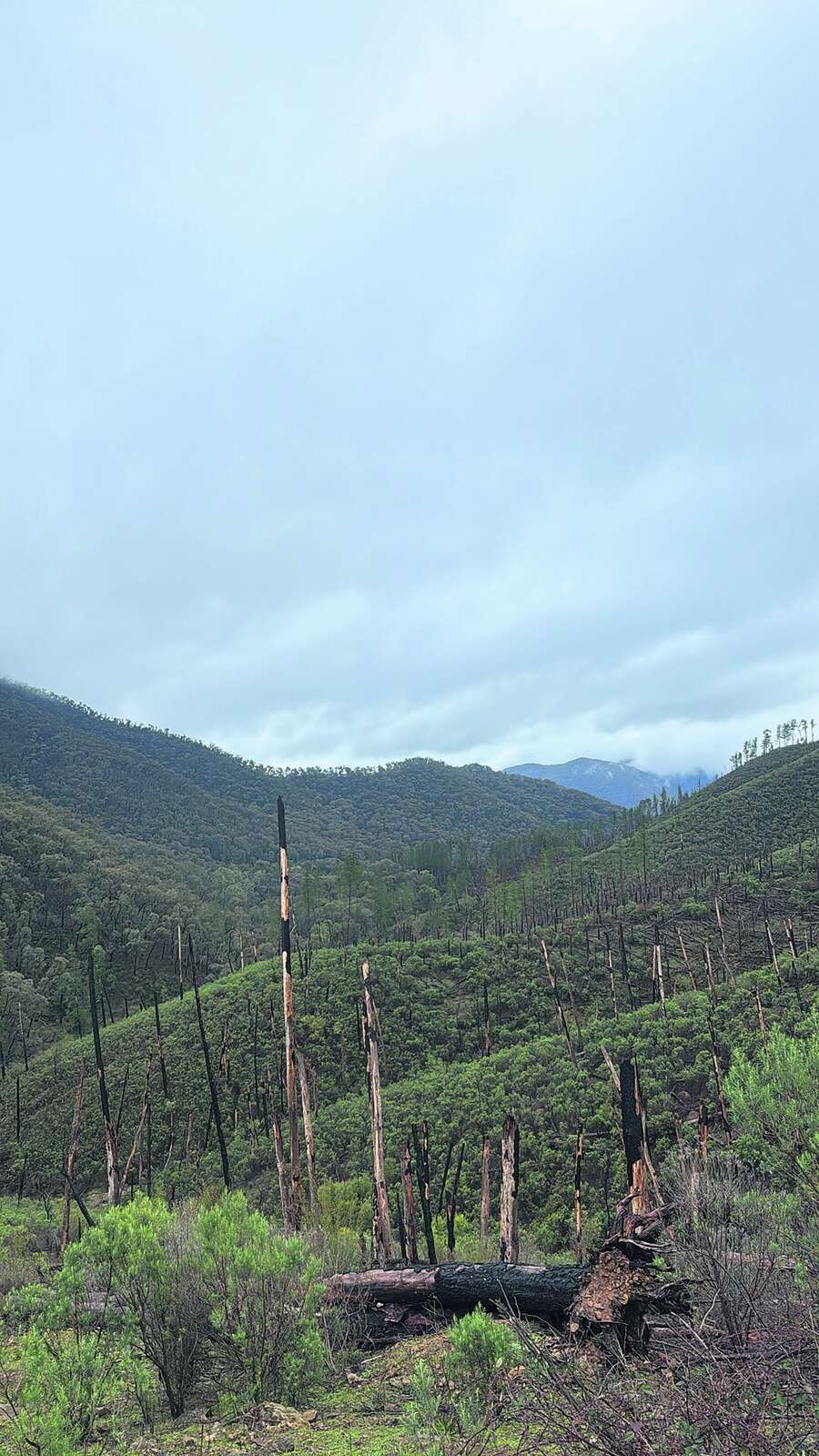
The terrain was as challenging as it was beautiful: steep ridges plunging into shadowed gullies, thick scrub that demanded every ounce of focus, and rocky creek beds that tested balance and endurance. We set up camp, ready to embrace five days of sleeping under canvas, cooking over fires, and walking miles of unforgiving country. But Mother Nature had her own plans.
The first night was cold and frosty but dry. On the second night, we had to abandon camp due to the wind and rain picking up so heavily that trees were falling down around us. We decided to get out of there and find a sheltered spot to wait out the storm in the car. With broken sleep and wet clothes, we got up and pushed on with our morning routine to be ready for first light. Rain began to fall again, cold and unrelenting, soaking everything it touched.
My second-hand canvas tent, which I had bought off Marketplace the night before — and imagined as a reliable refuge — quickly failed me. Max never lets me forget that one. I was forced to abandon it altogether after the rain flooded the inside. I later realised the 30-year-old Aussie-made canvas tent needed re-waterproofing. I curled up in the cramped interior of the car as my sleeping quarters for the remainder of the trip, listening to water dripping onto canvas and metal. Yet even as my body ached and sleep was broken, the thrill of the hunt kept me determined.
The first two days were spent hunting a familiar gully, a place I knew well. The bush was alive; the distant snap of a branch, the low rustle of leaves, and the occasional cry of a bird kept the senses sharp. Fallow and sambar deer were plentiful, moving through the thick cover like shadows. But the stags — the real prize — remained elusive. Frustration crept in, but so did resolve. Success in these forests is measured in patience and perseverance.
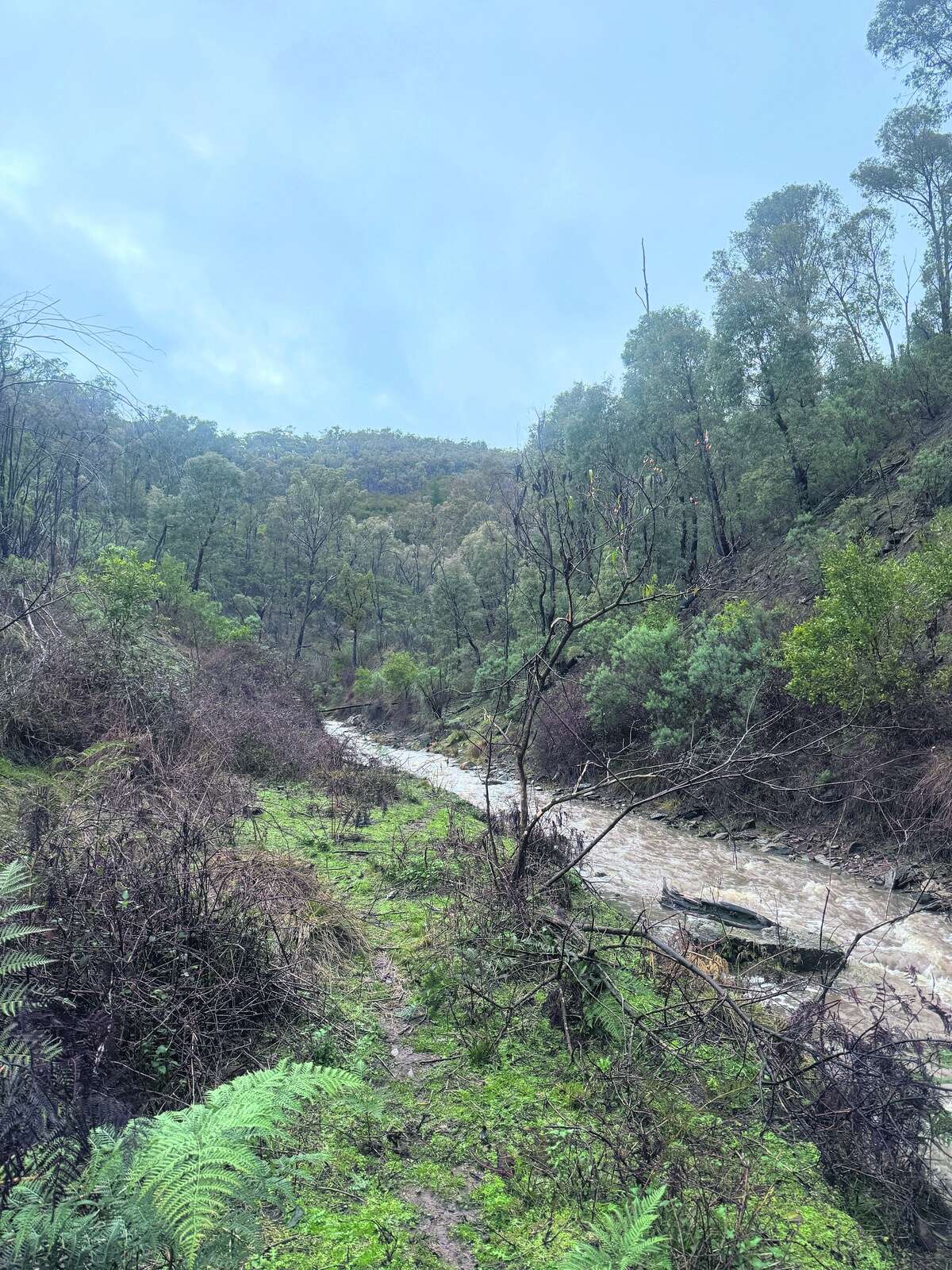
By the third day, Max and I decided to venture somewhere new. After some scouting, Max discovered a hidden gully system that looked almost untouched and as though it had been carved out just for deer: a meandering creek flanked by dense bush and natives, scattered with small clearings just wide enough to catch a glimpse of passing game. The thick eucalypts created a cathedral-like canopy, and the smell of damp earth, moss, and leaf litter filled the air. This was prime territory, and my senses were alert.
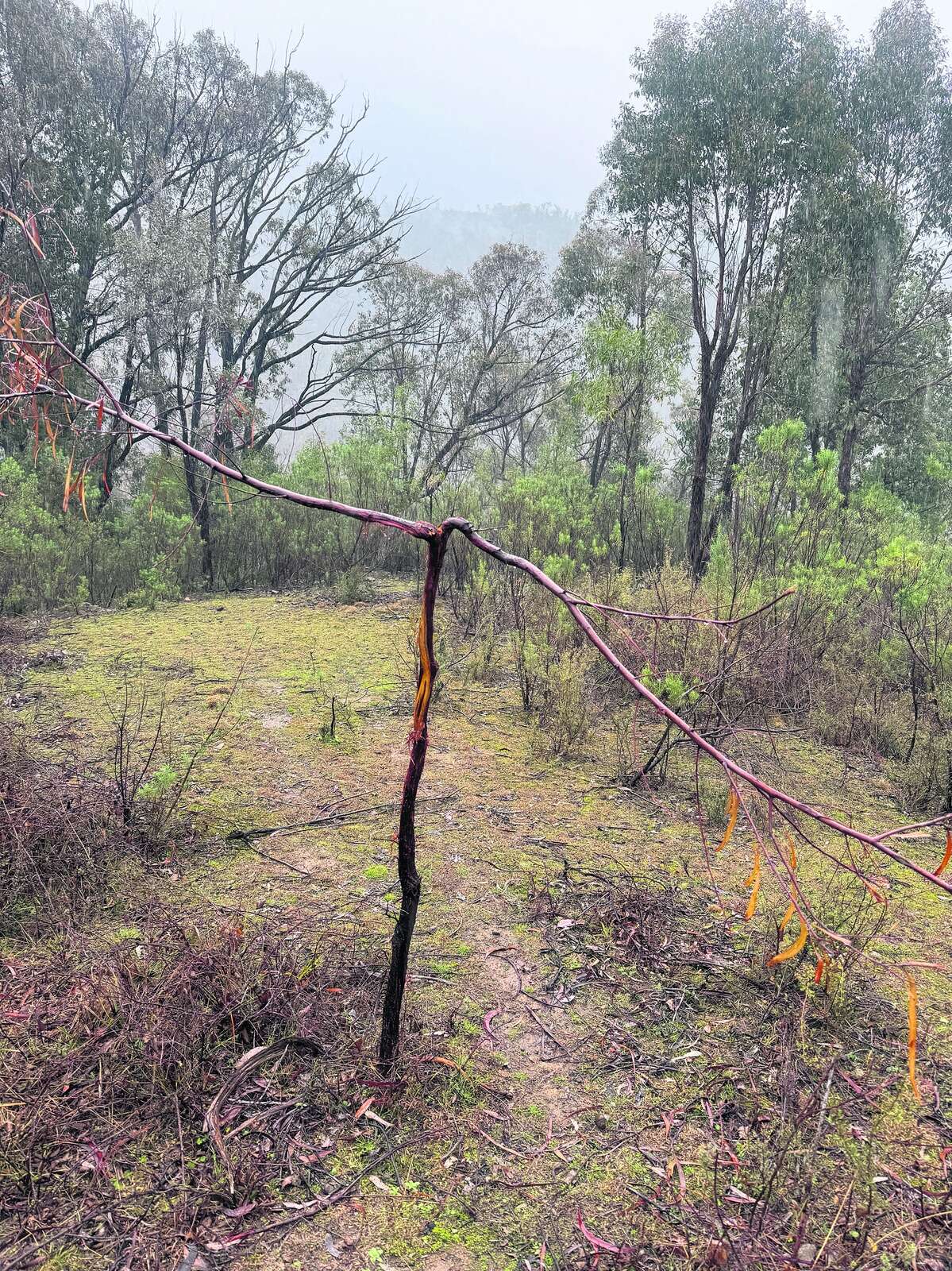
We parked at the nearest road, about four kilometres from the ridge overlooking the gully, and began our approach. Each step was deliberate; the uneven terrain forced short pauses, during which we scanned the bush, listening intently for any hint of movement. The forest seemed alive around us — the soft drip of rain from leaves, the distant splash of water in the creek, the faint crack of a branch under a possum’s weight. Then, movement: three large sambar hinds appeared, grazing quietly. Nearby, broken and rubbed trees whispered of stags that had passed through. Confidence surged. Somewhere here, a dominant stag was waiting.
Finally, about 100 metres from the bottom of the gully, the moment arrived. A majestic stag appeared, rubbing his antlers against a tree and thrashing it with deliberate strength. My heart pounded like a drum in my chest. I backtracked carefully to get downwind before it picked up our scent, but the wind betrayed us. The stag sensed our presence and bolted through the dense scrub, vanishing across the creek into thicker cover.
Four hours of tense observation followed. Every rustle, every shadow, could have been him returning. I waited patiently, knowing he would have to reappear. Eventually, after an hour of glassing every corner, he did — moving up the steep mountainside. The thick bush and towering eucalypts made a clean shot impossible.
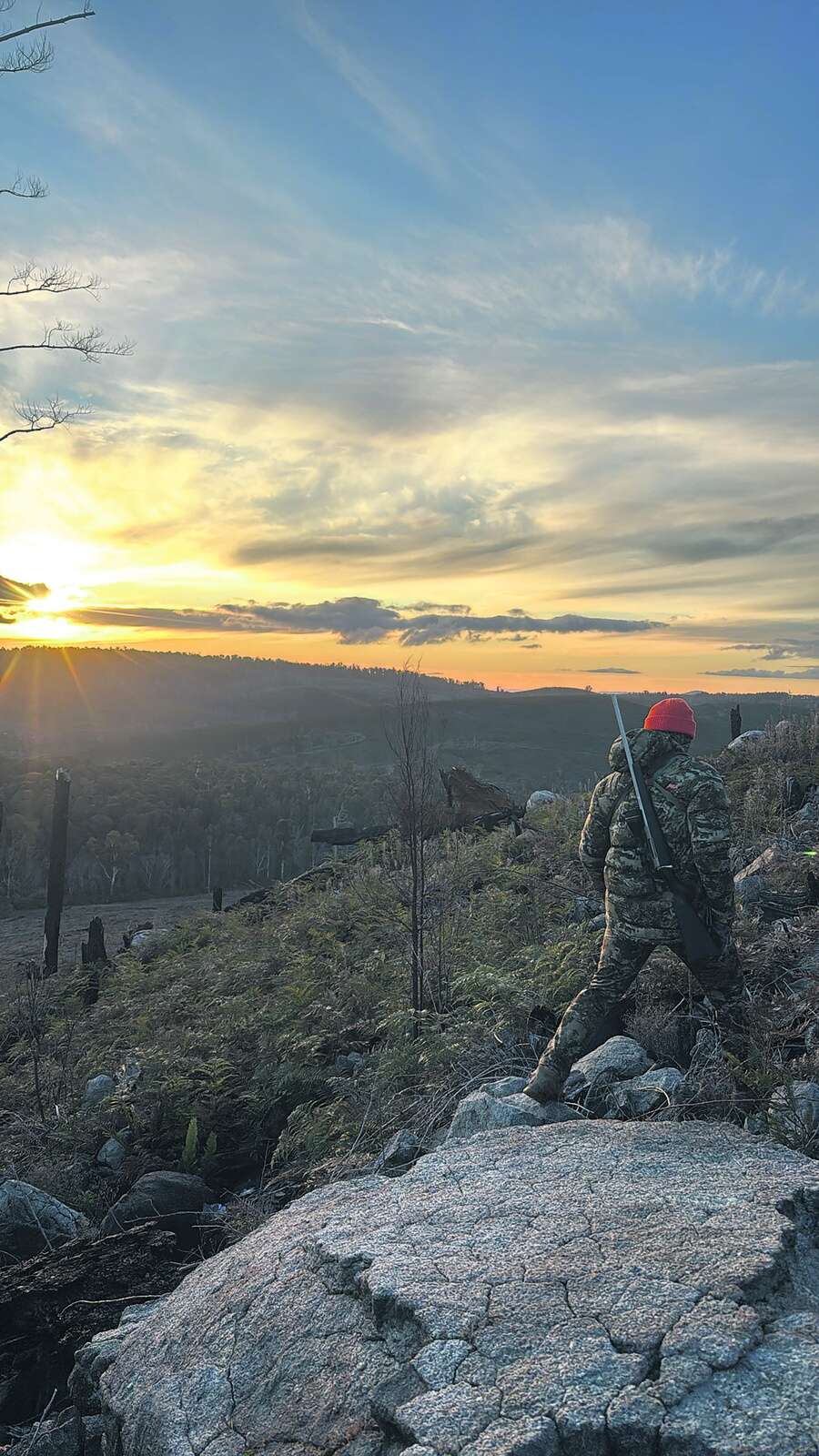
I clamoured for a vantage point, moving carefully to maintain level with the rising deer. As light began to fade, I started to worry that this elusive stag was going to wait me out until dark, but out of nowhere, he slowly crept out from the thick scrub, moving a step at a time, almost gingerly. He made his way up the steep incline of the opposing gully and presented a broadside shot. Thick scrub prevented prone shooting, and offhand seemed impossible with all the excitement, so I improvised, using an old fallen pine tree root ball with a protruding knot as a rest for my rifle. At 175 metres, the stag was even more imposing than I imagined, his antlers stretching wide, ivory tips catching the dimming light.
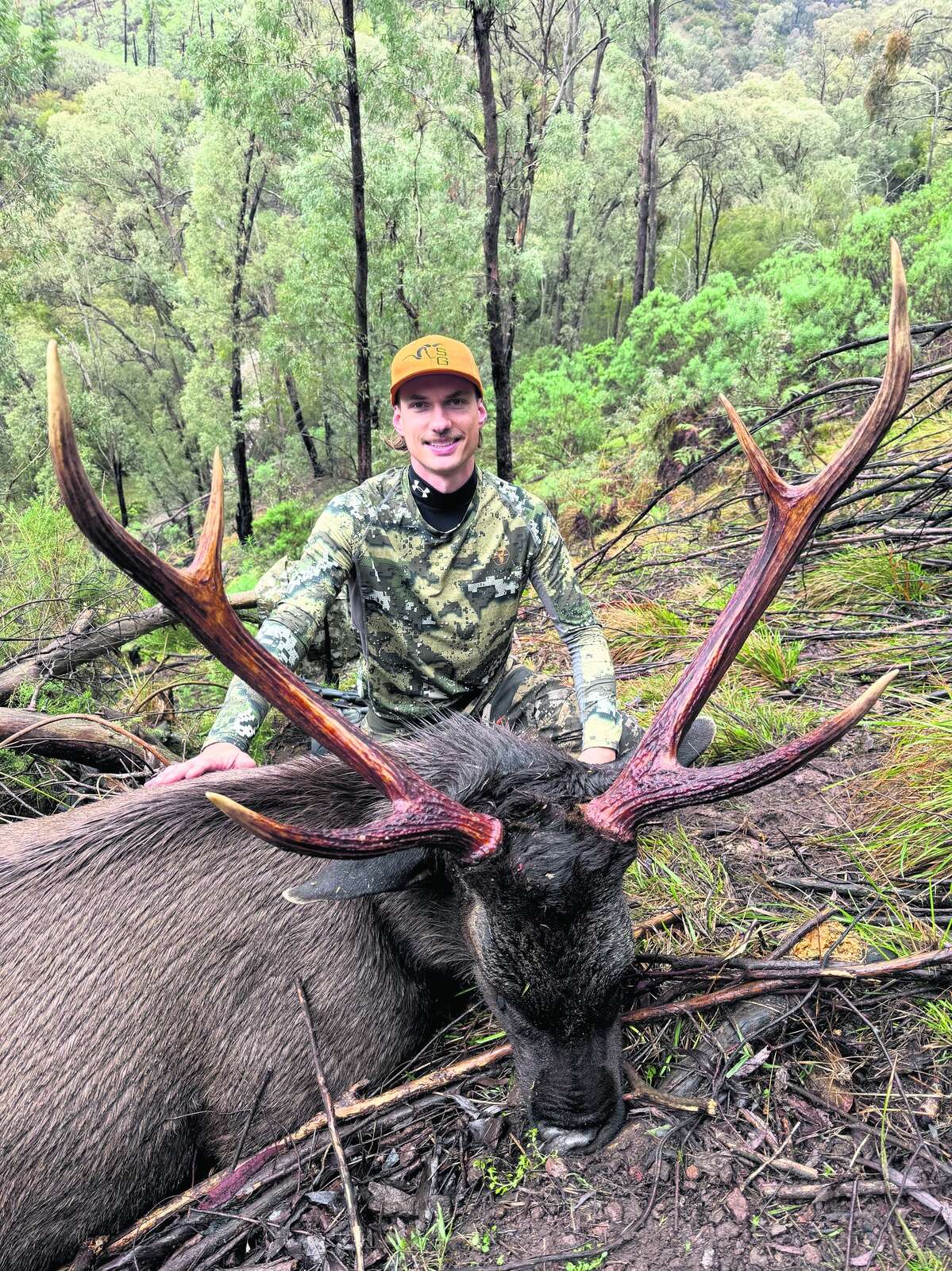
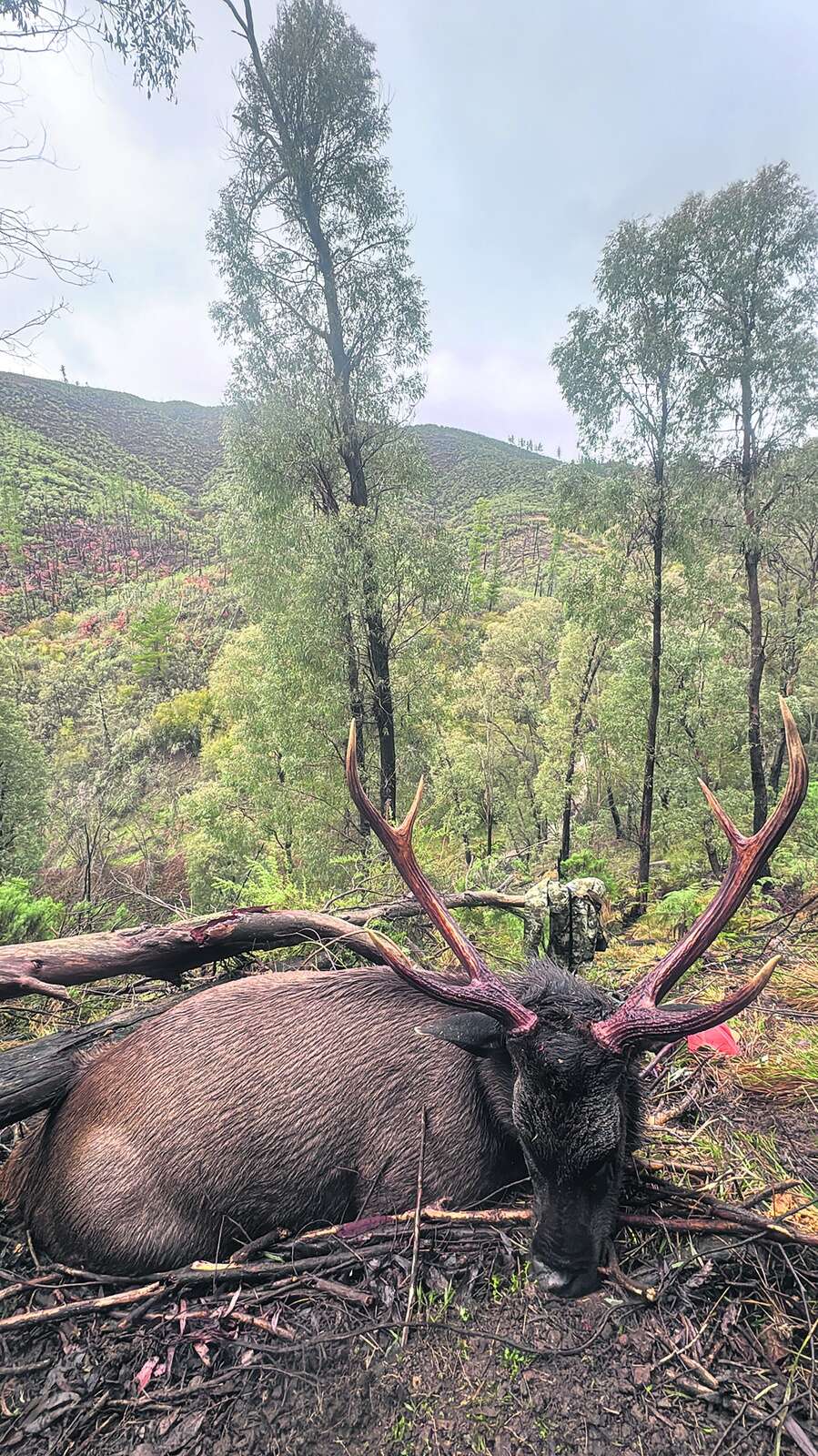
Heart hammering, I chambered a round, took a deep breath, and gently pulled the trigger. It broke — nothing. A dud. I couldn’t believe it. The timing was something so cliché, and still to this day, I have that round in my safe. The frustration was sharp, but I quickly chambered another round and steadied my shaking hands. The stag, now alert and staring directly at me, not quite being able to make out what I was, tested every ounce of patience I had cultivated over five days. Then, with a deep breath and a steady hand, I gently squeezed the trigger. The shot rang out and the stag received a 180-grain .308 Sako Hammerhead projectile straight through both lungs. He bolted 20 metres before crashing down the hillside, tearing through branches and shrubs in a display of raw power. Relief, excitement, and disbelief surged simultaneously, and I yelled out to Max, who responded with equal enthusiasm.
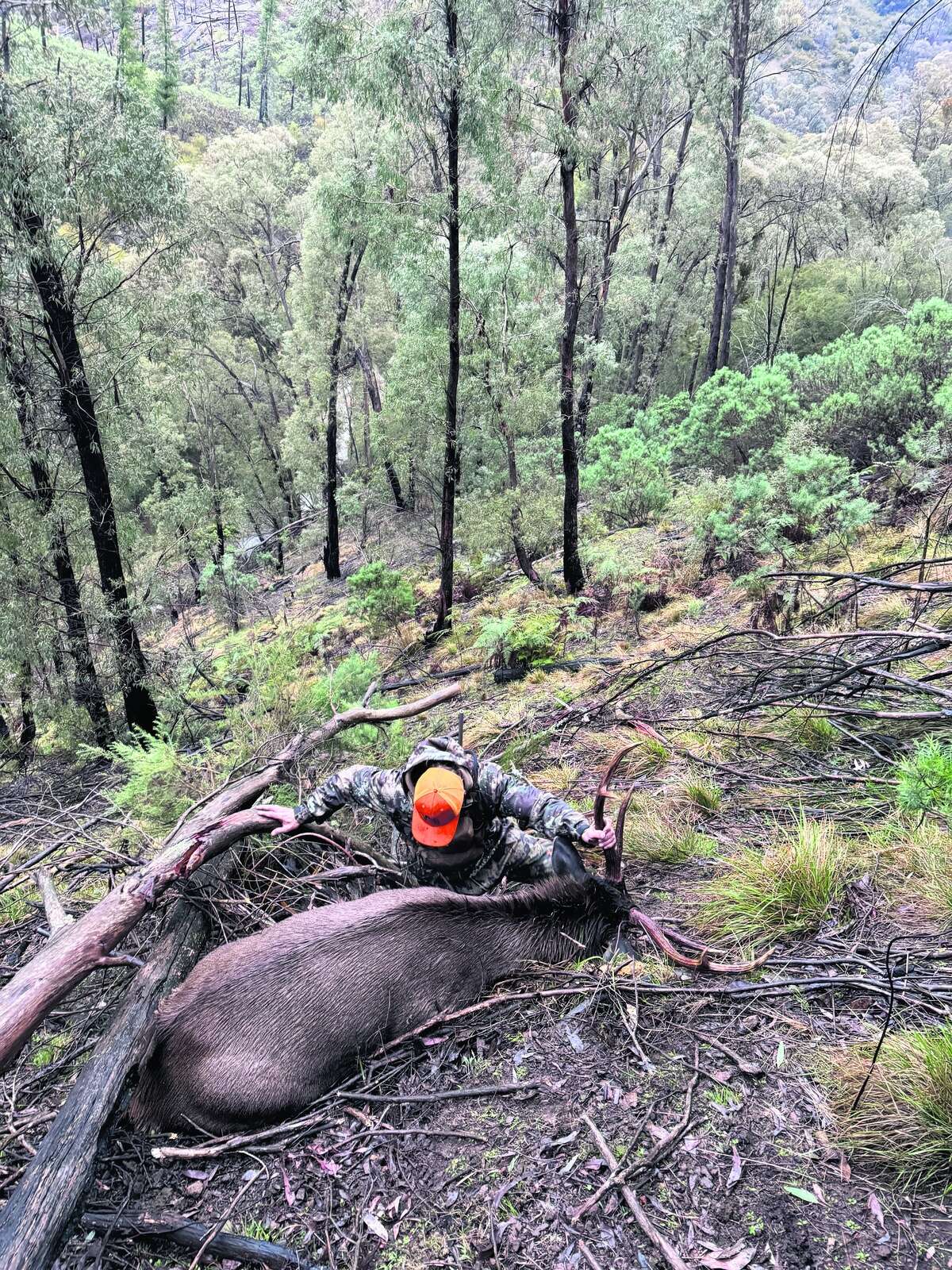
We waited 10 minutes before venturing down. The gully was treacherous, steep, and rocky, with the creek at the bottom. Eventually, we reached the stag. Up close, he was even more magnificent; broad antlers, deep dark eyes, and the unmistakable aura of a true NSW sambar. Years of planning, patience, and persistence had culminated in this moment, and I was overwhelmed with satisfaction.
We decided to gut him and return to camp, planning to pack him out in the morning as the temperatures were freezing at best. That night, over dinner and a Jameson or two, we recounted the events of the day. Sleep was elusive, the adrenaline still coursing through me.
By 4 am,we were back on our feet, with a quick feed and coffee, ready for first light. We decided to make the most of the morning and hunt as much as we could before the pack out. Though no new stags appeared, the morning hunt offered a chance to appreciate the intricate bush and our growing understanding of it.
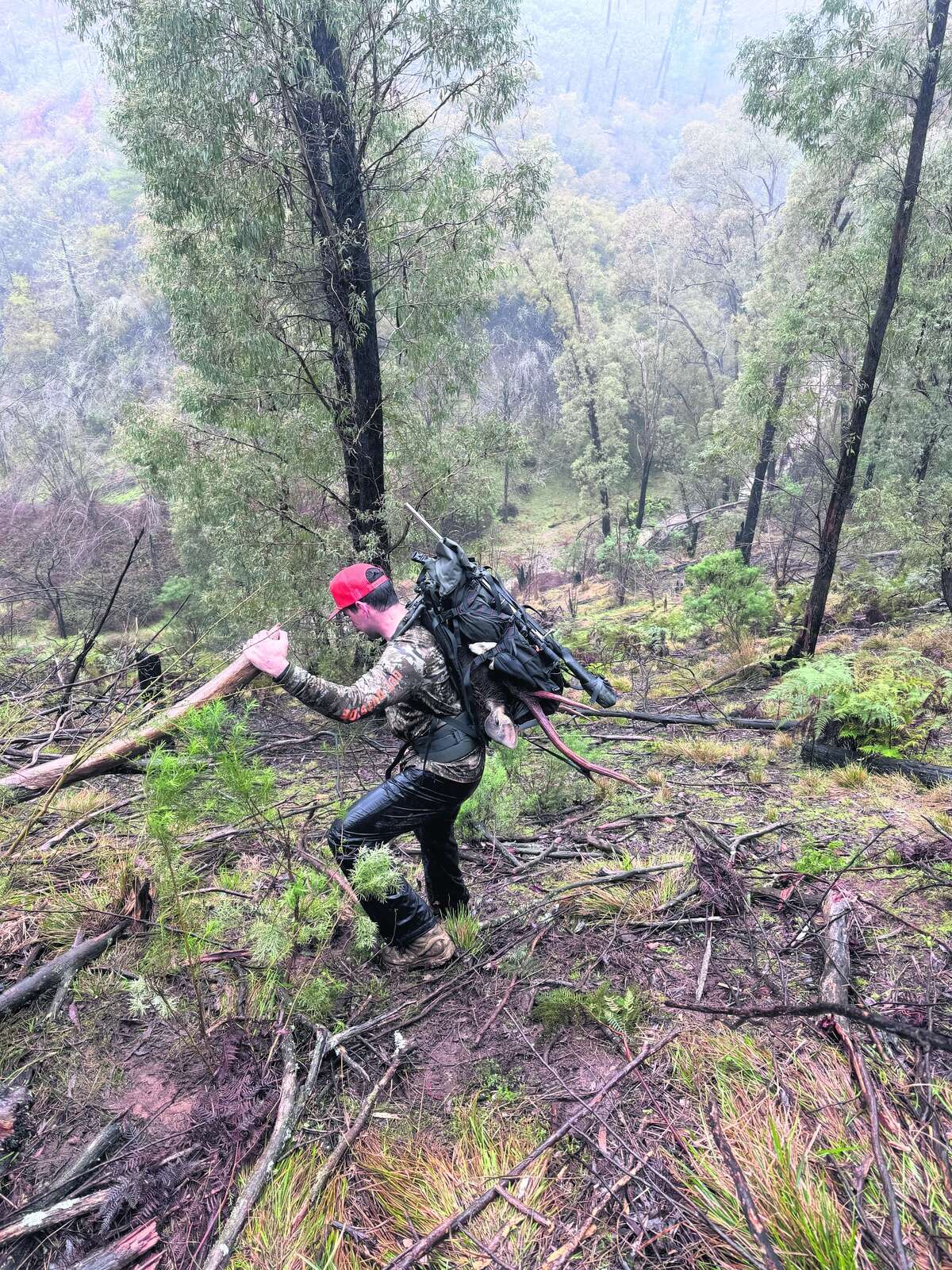
The real work began with processing the stag in the pouring rain and packing him out of the steep gully. Every step was a test of strength and endurance, but the reward was unparalleled. Along the way out, we even bumped another stag, but he disappeared into thick cover before a shot could be taken by Max.
The extraction was gruelling, involving a perilous climb up a rocky incline that felt more like scaling a cliff than hiking a trail. Yet, step by step, in the pouring rain, we made it to the top, returning to the goat track we had made and eventually to Max’s car. Victory, exhaustion, and sheer joy mingled in equal measure.
The remaining days brought no new stags, though we saw plenty of spikers and does. Max remained patient, waiting only for the stag that truly deserved a place on his wall. For me, the hunt had been everything I hoped for and more; rugged terrain, relentless weather, and the intoxicating thrill of patience rewarded.
That five-day expedition reminded me why I choose to chase stags through the state forests, as I personally think it’s the pinnacle of hunting public land versus private. It’s why I embrace the challenges and why every sighting, every careful step, every quiet moment in the bush is worth it.
As I think back to that final shot, the stag crashing down the hillside, and the satisfaction of years of preparation culminating in one perfect moment, I know that this hunt will stay with me forever.
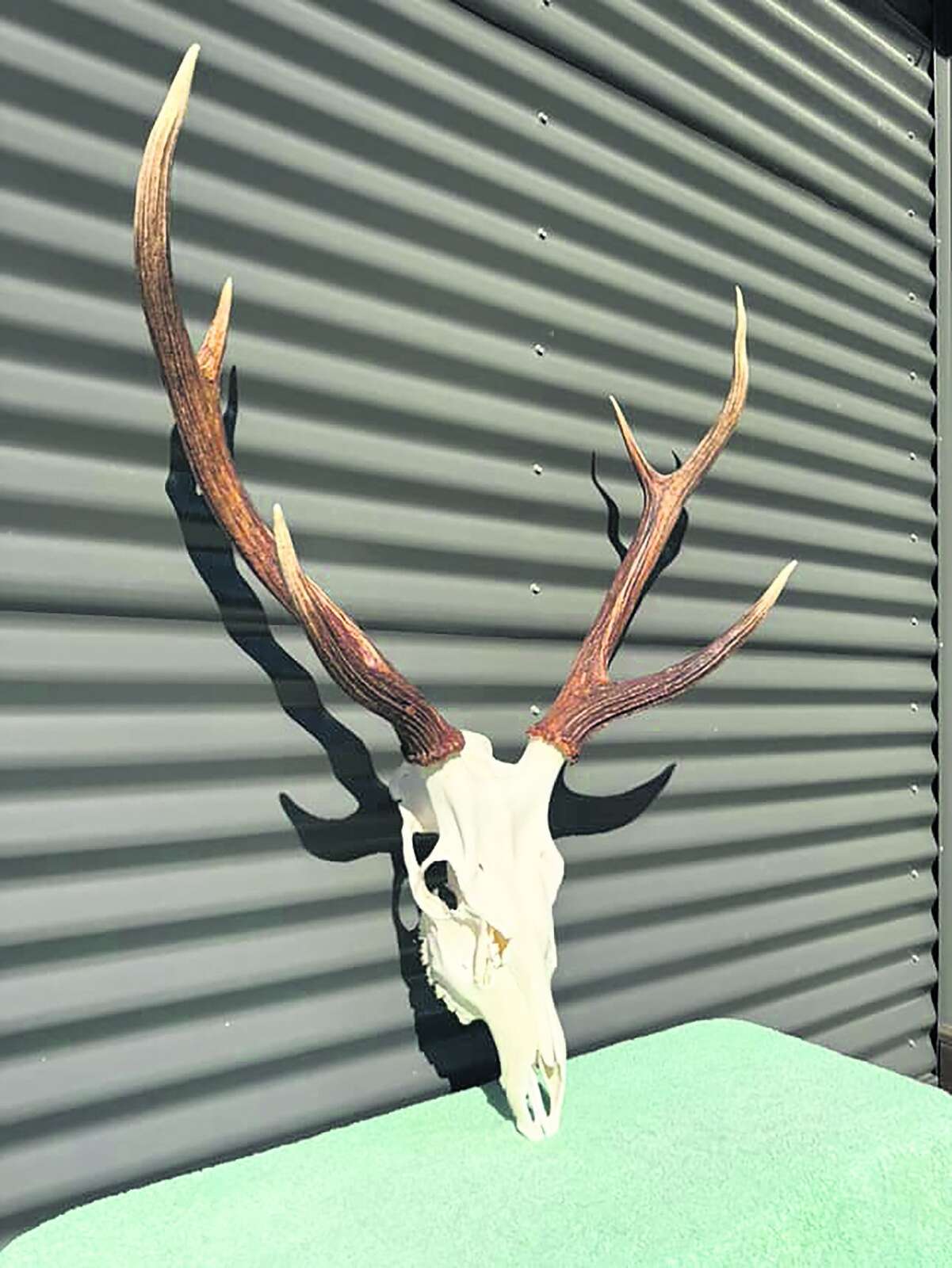
The stag head has been cleaned and now hangs on my wall as a euro mount, a reminder of that gruelling five-day hunt and why I love getting out there in the bush doing what I love.
Special thanks to Max for digging deep and helping with the pack-out. Couldn’t have done it without you, mate.
Taken with: Tikka T3x .308 with Leupold VX-5HD 3-15x44 glass
WIN TIKKA T3X LITE + BURRIS SCOPE
With firearms reforms actively underway across Australia, representation for deer hunters matters more than ever.
Join the Australian Deer Association during the campaign period and support experienced representation for deer hunting.
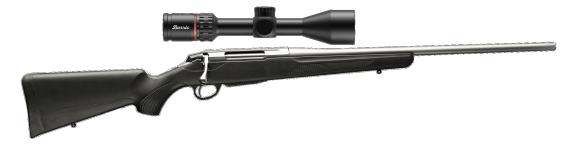
One new or returning member will be drawn to win a Tikka T3X Lite Stainless with a Burris scope.
Membership Benefits Include:
✓ Advocacy - Real Wins on the Ground
✓ Firearm & Public Liability Insurance
✓ Protect Public Land Hunting
✓ Education & Community
Proudly supporting the Australian Deer Association