
In this article, we are not going there. At the end of the day, a rifle is a vehicle, the cartridge is a messenger, and the bullet is the message. What rifle suits one person is not ideal for another and cartridge selection, along with recoil tolerance, is equally personal and subjective: not for someone else to sit in judgement on.
Sure, there are minimum standards and requirements, but when it comes time to squeeze the trigger, bullet placement, impact velocity and bullet terminal performance will determine the outcome. It’s the bullet that is doing the physical work on arrival.
How a projectile terminally performs is dependent on more than 40 variables, with almost all but a couple of them outside a shooter’s control. These sit squarely in the manufacturer’s world. The only major contribution a hunter really has is understanding how different bullets are made, knowing how this influences terminal performance, and making the best choice for their particular objectives and conditions.
As the old Castrol advertisement used to say, ‘oils ain’t oils, Sol’ – implying of course that both quality, price and range vary enormously and are specific to application. While 60 years ago bullet types were fairly similar in construction, this is no longer the case and the choices available to hunters these days can be bewildering, with bullet performance and outcomes, equally broad.
Traditional ‘Cup and Core’ Jacketed Lead Bullet
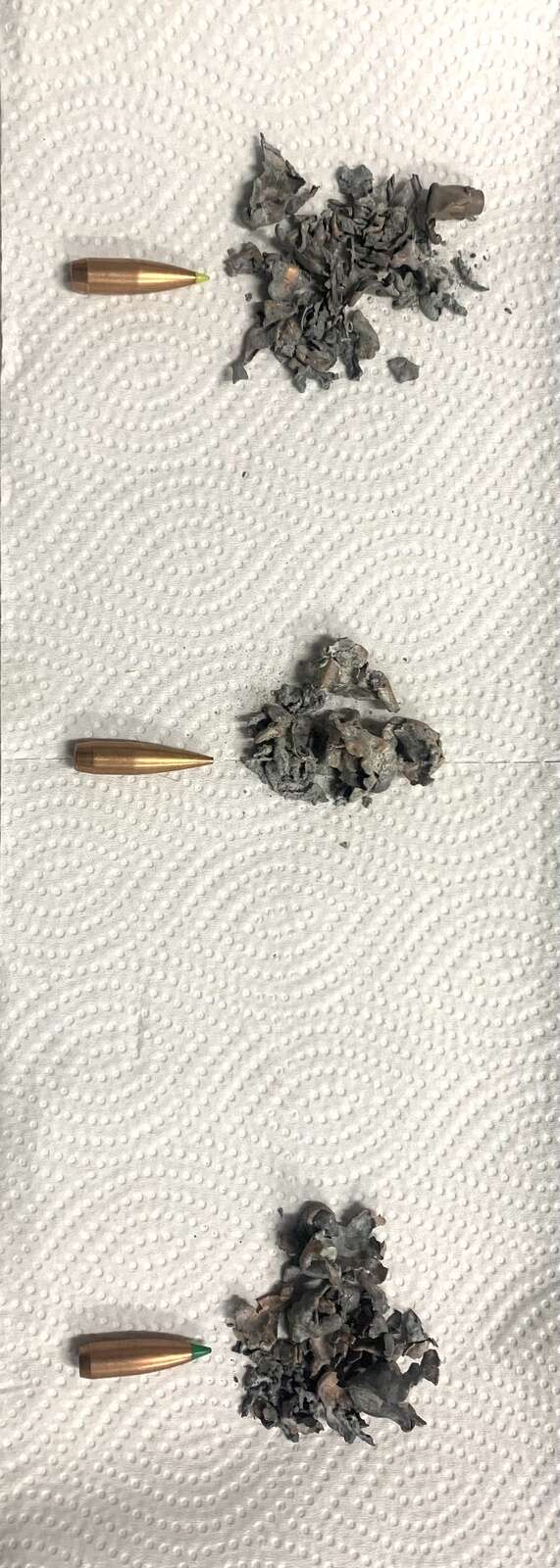
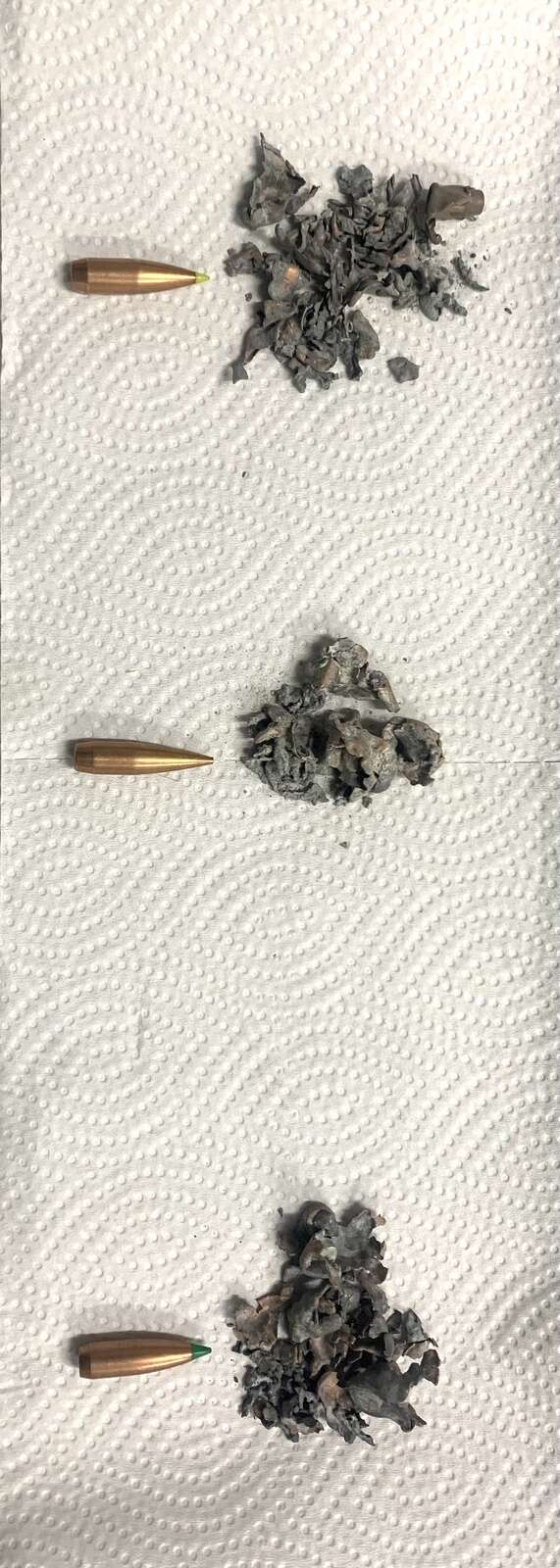
This type of bullet is the one best known to most shooters using modern centrefire rifles and cartridges. A copper or guilding metal disk is punched out of a strip or sheet and then swaged into a cup. This cup is formed by a press, dies and mandrels, and swaged multiple times. A small lead or lead alloy bullet is dropped into the cup, and is again, swaged into various dies until the desired final shape is achieved. This bullet type has been used for over 140 years and still works within an assumed context. This context however has been in use for so long, that the framework for it is often forgotten. Many of the imbedded assumptions have been lost in the ether, and shooters simply do what they do, because that’s what Grandad or Dad taught, and they have always done it that way. This is not to imply that such bullets no longer work. They do. But in a specific way, that needs to be understood.
Traditional cup and core bullets are the most frangible ‘modern’ style, if we restrict the conversation to medium and large game application (this is a deer hunting magazine after all). The impact style produces the broadest and shallowest temporary wound cavity. It will often produce a complete energy dump inside the animal, producing a type of nervous system shock (as opposed to hydraulic shock) that is sometimes quite spectacular.
Implications:
Cup and Core – Bonded
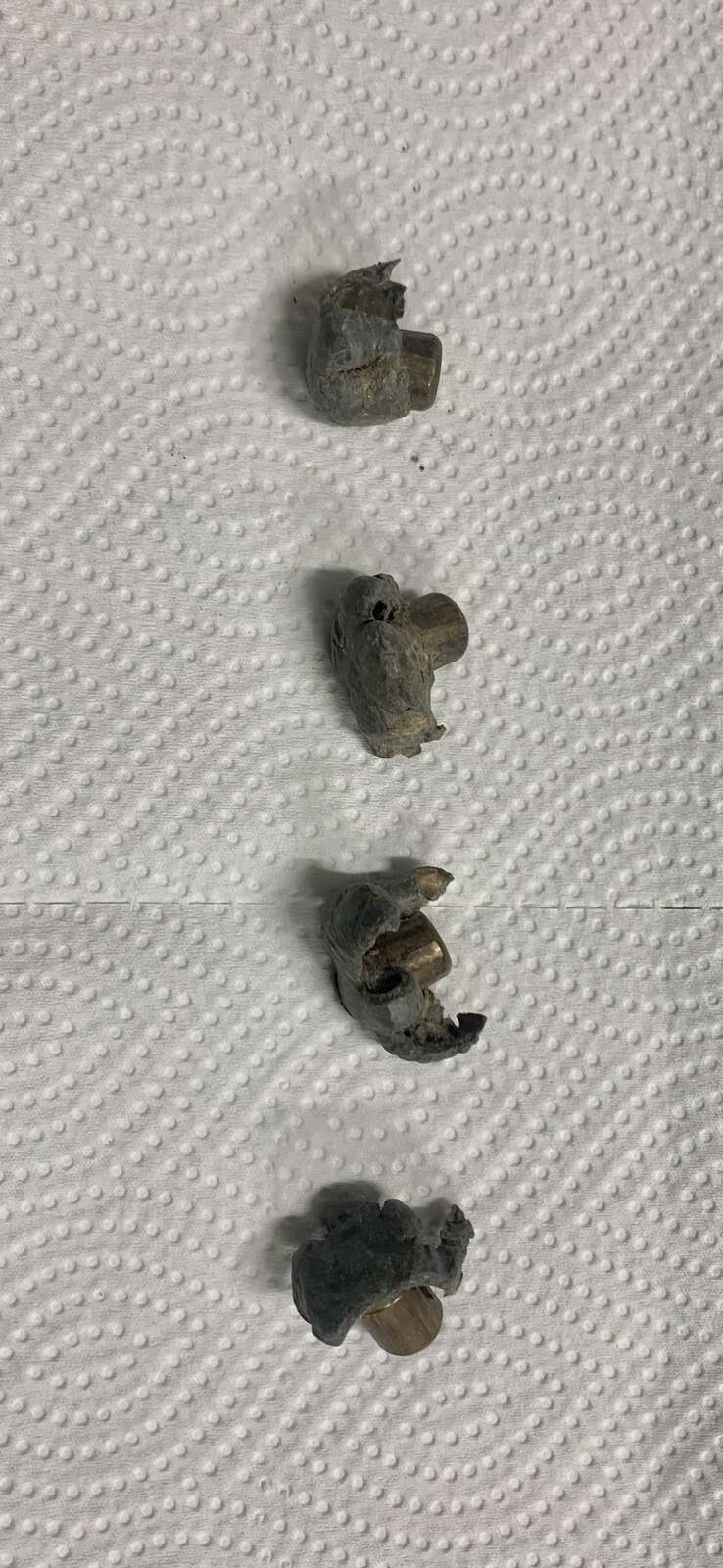
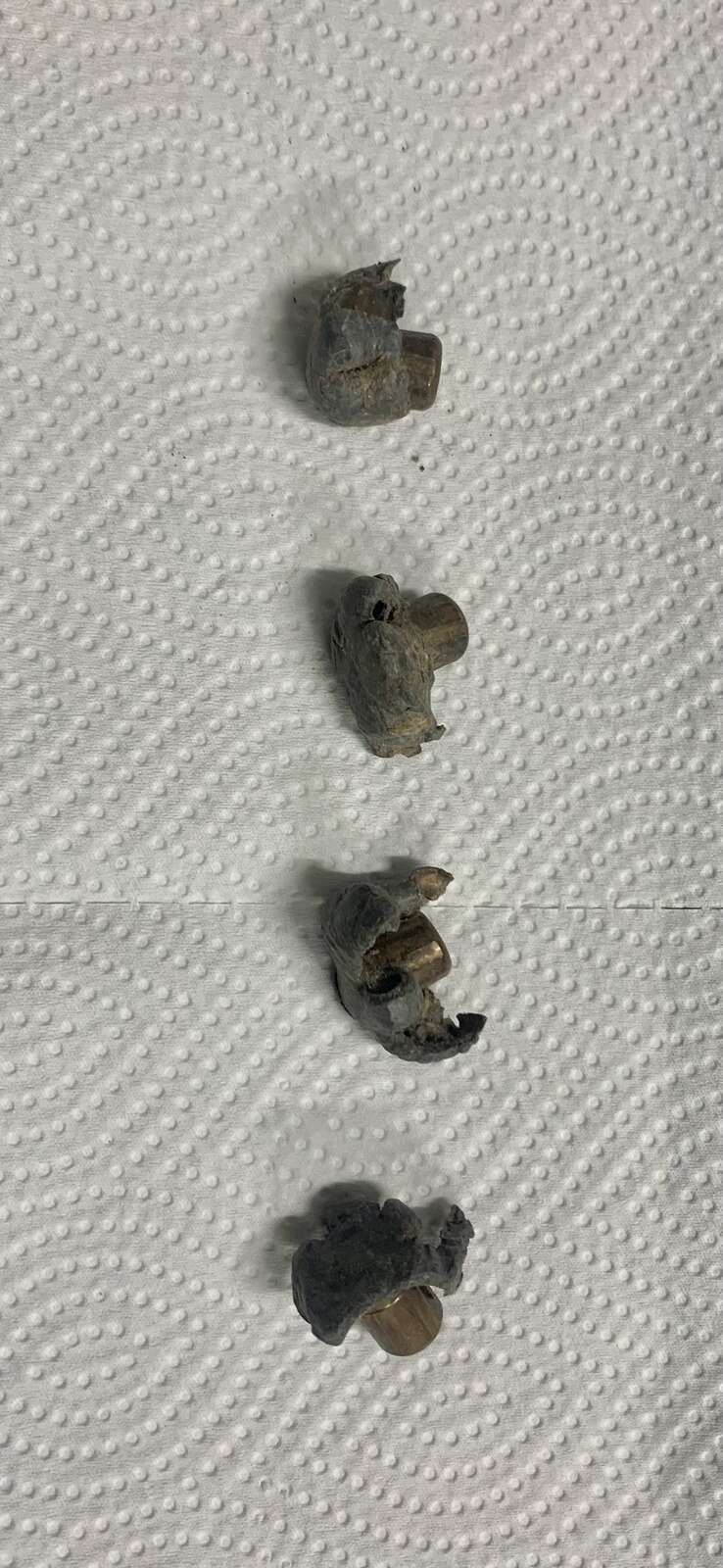
Made in a similar fashion to the original product, bonded bullets apply some form of additional technology to lock the lead core to the jacket. This is an attempt to maintain as much momentum as possible and provide deeper penetration. These locking or bonding technologies vary a great deal. They can be mechanically locked in by a simple crimping groove or jacket wall shape, chemically bonded by a process similar to soldering, electrically fused, or have a partition swaged into the middle. Some may use two or more of these techniques simultaneously.
Implications:
Lead Alternative Bullets – First Generation Monolithics
This class of hunting projectile generally falls into the category of copper, or copper alloy monolithics. This group varies as much as the cup and core/core bonded group.
This first generation of copper monolithics were the well-known, and still popular American product and their derivatives in various guises. The hollow points could be swaged or drilled, or have a V-shaped meplat impression inserted to accommodate a plastic tip.
First generation monolithics were born into the swaged bullet technology era and made in a similar way. Copper is a tougher material than lead, so various attempts to reduce pressures by cutting relieving grooves into the bullet shank with a lathe of sorts, were applied as a final production step. Some were coated with a range of different materials to reduce the substantially higher shot start initiation pressures (SSIP’s) generated.
The swaging technology effect on copper monolithics is very different in outcome when compared to lead. Swaging copper into shape work hardens the material to a far greater effect than a traditional cup and core lead product. This required the bullet to be driven hard to ensure expansion. Driven too hard, and the petals would occasionally break off on impact.
This initially produced a very narrow loading band for effective performance, limiting effective hunting range. Early products were constantly evolving in an attempt to reduce pressures, ensure expansion with weight retention, broaden loading options for safety, and extend effective range.
Another limiting factor generated by first generation monolithic bands, was the detrimental effect they had on the bullet’s ballistic coefficient (BC). Each band increases the bullet’s co-efficient of drag by approximately 0.013 per band, cumulatively. Poor BCs further restricted effective range.
Implications:
Modern, Second and Third Generation Monolithics
Copper monolithic bullets truly leapt into a whole new world with the relatively recent advent of repetitive CNC (Computer Numerically Controlled) machining. This technology challenged bullet manufacturing quality standards spectacularly. Modern Swiss Sliding CNCs operate with immeasurably small runout tolerances, with adjustments for diameter and length made in increments of 100 nanometres (1/10 of a micron). Unheard of precision compared to previous technologies.
Precision, however, is just the beginning. Bar stock can be ordered against a specified standard for hardness, and the specified temper of the material doesn’t change during the machining process. Thus, new generation monolithics are generally softer products, offering a greater range of ductility.
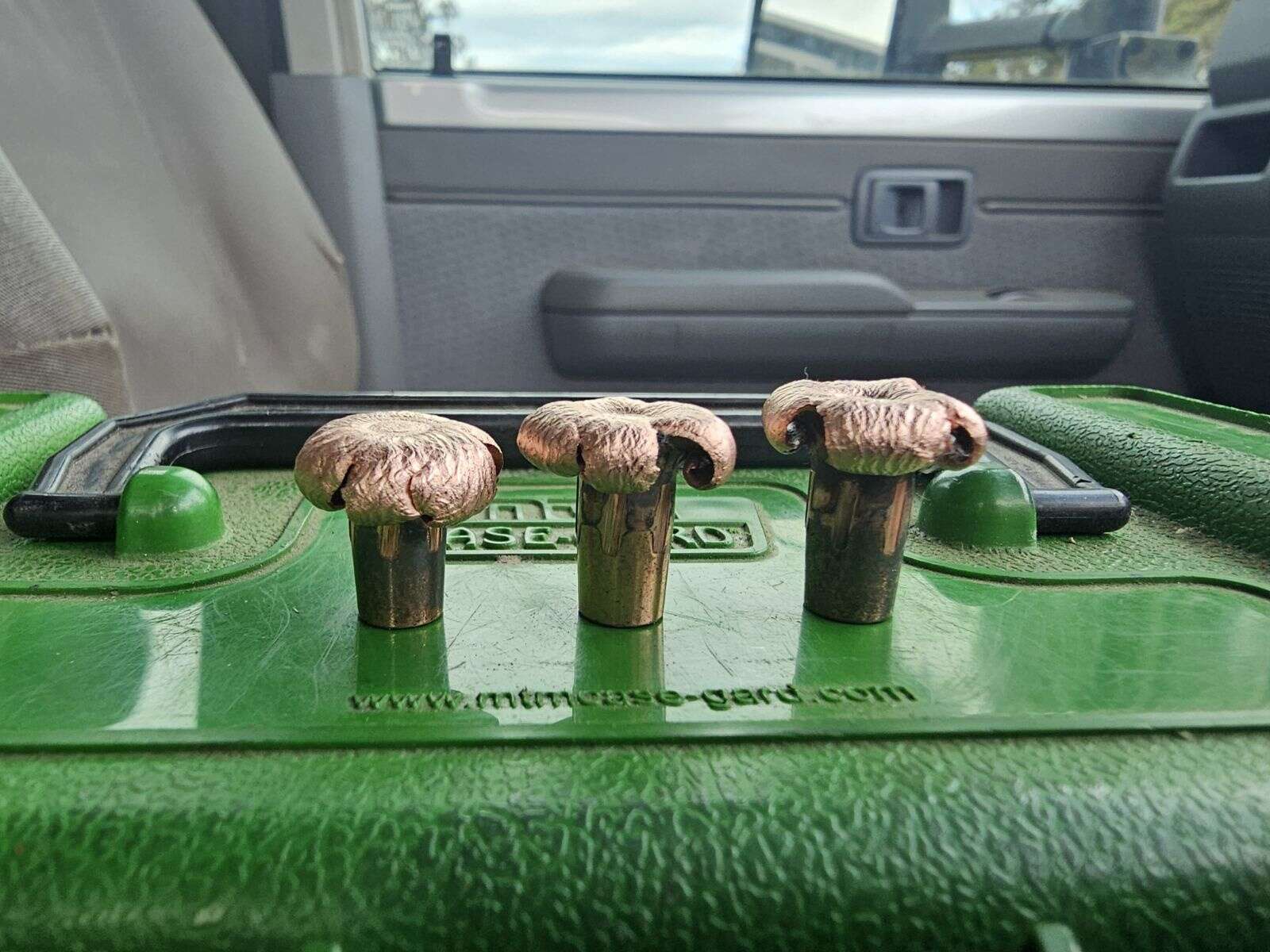
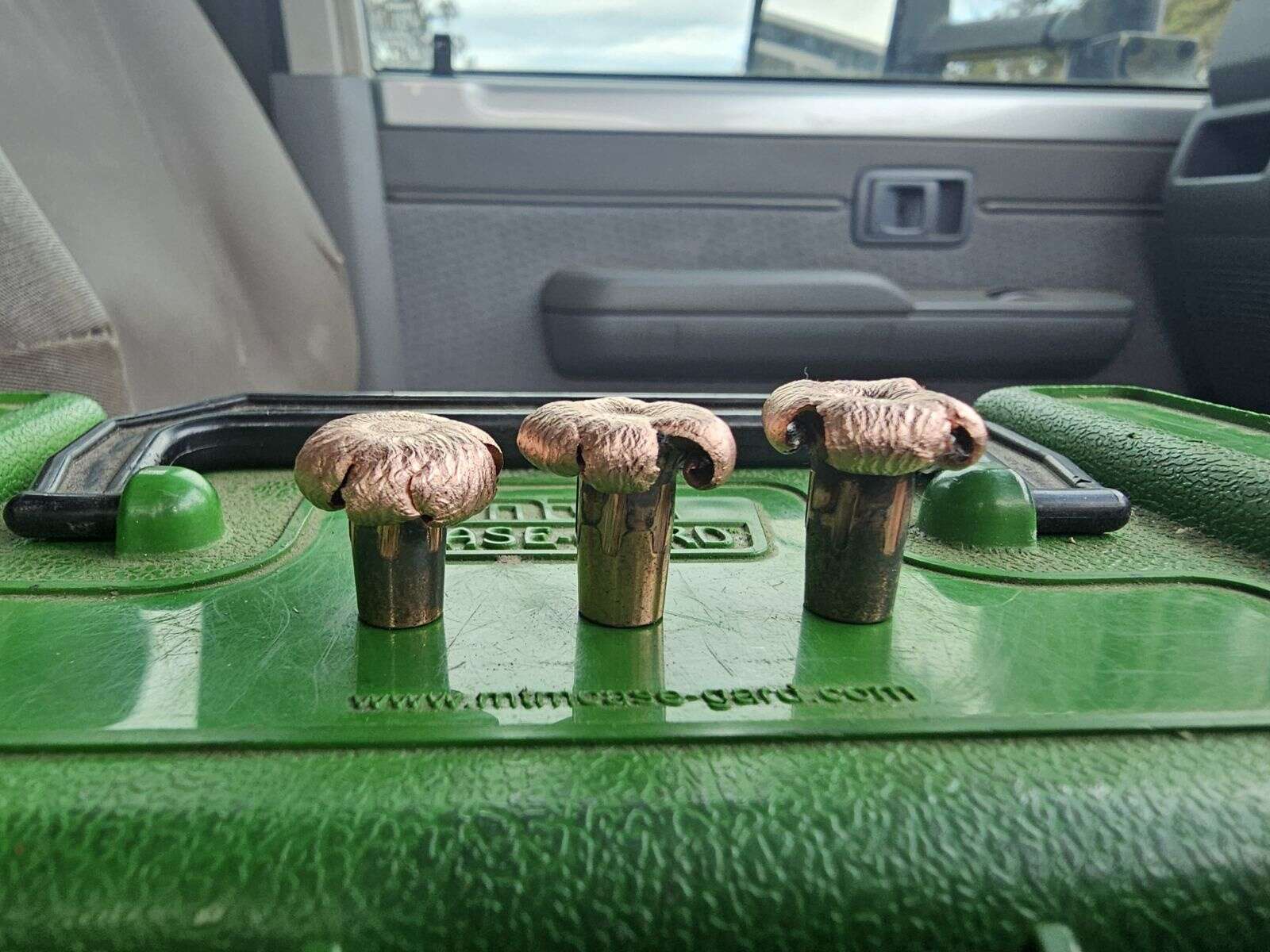
This means that the bullet designer has a greater range of performance options available, to meet customer expectations. They can be made to petal or mushroom as required. They can be structured to break up or hold together, and will perform across a very much greater velocity range than the earlier, first-generation attempts. They can be made to expand or disintegrate at velocities as low as 1,400 fps, or hold together and mushroom at velocities well in excess of 3,500 fps. Full weight retention maximises expansion and momentum, penetration and hydraulic shock transfer.
(The formula for hydraulic shock transfer is the square of the diameter of the expanded frontal area – e.g. a 100% expanded 30 calibre bullet is approximately 15.6 mm in diameter. 15.6 x 15.6 = 243 square millimetres of frontal hydraulic shock transfer area. The depth of that shock and energy transfer is dependent on retained bullet weight and impact velocity – the formula for Momentum or Force is F = ma. Force equals mass x acceleration).
The hunting hollow points produced by this machinery are drilled to an exceptional level of precision, usually to a greater depth possible than the mandrel swaging process, with expansion managed by the hinge dimension. (The hinge is the dimension between the hole and the ogive – the material folds back here)
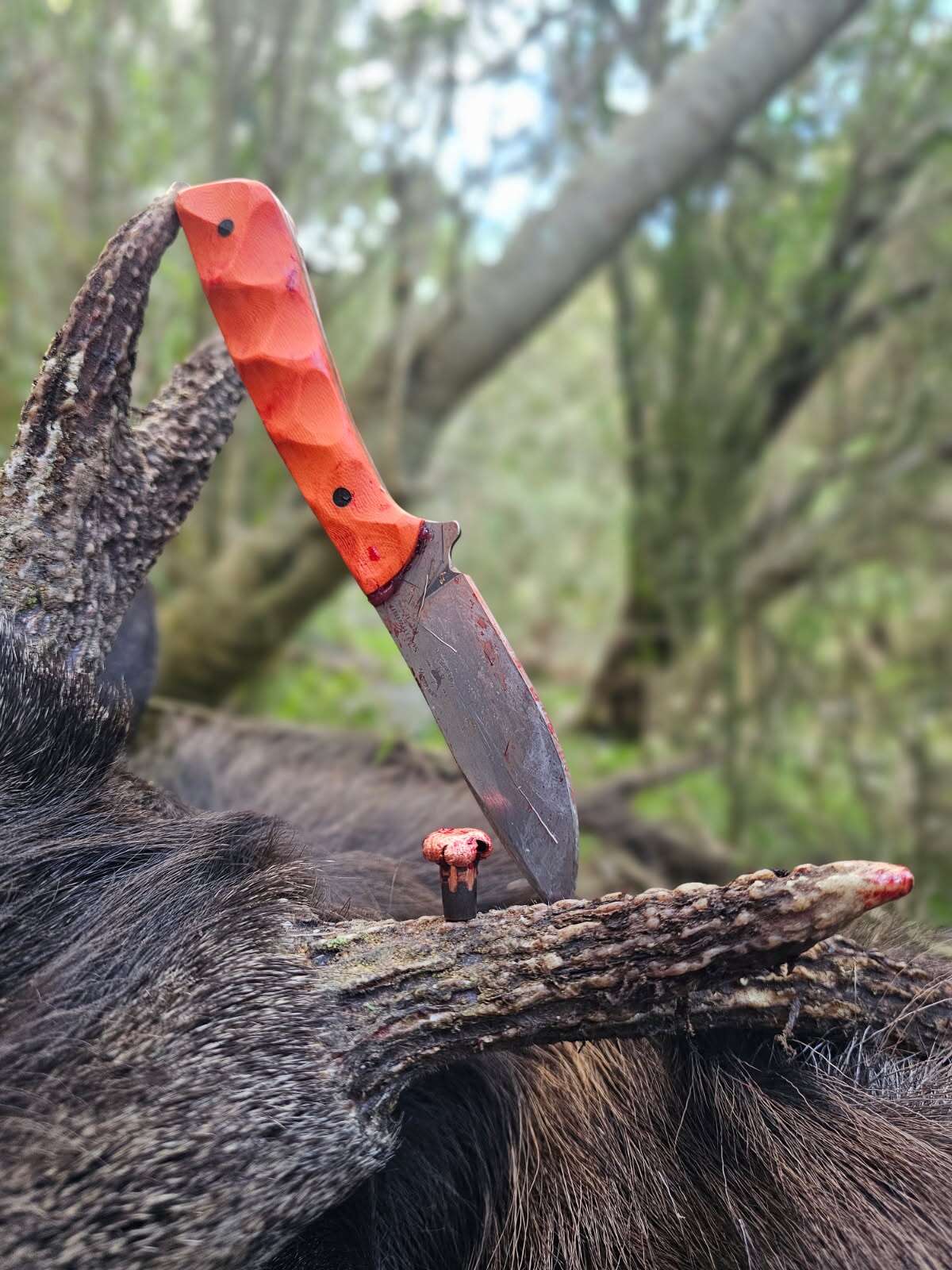
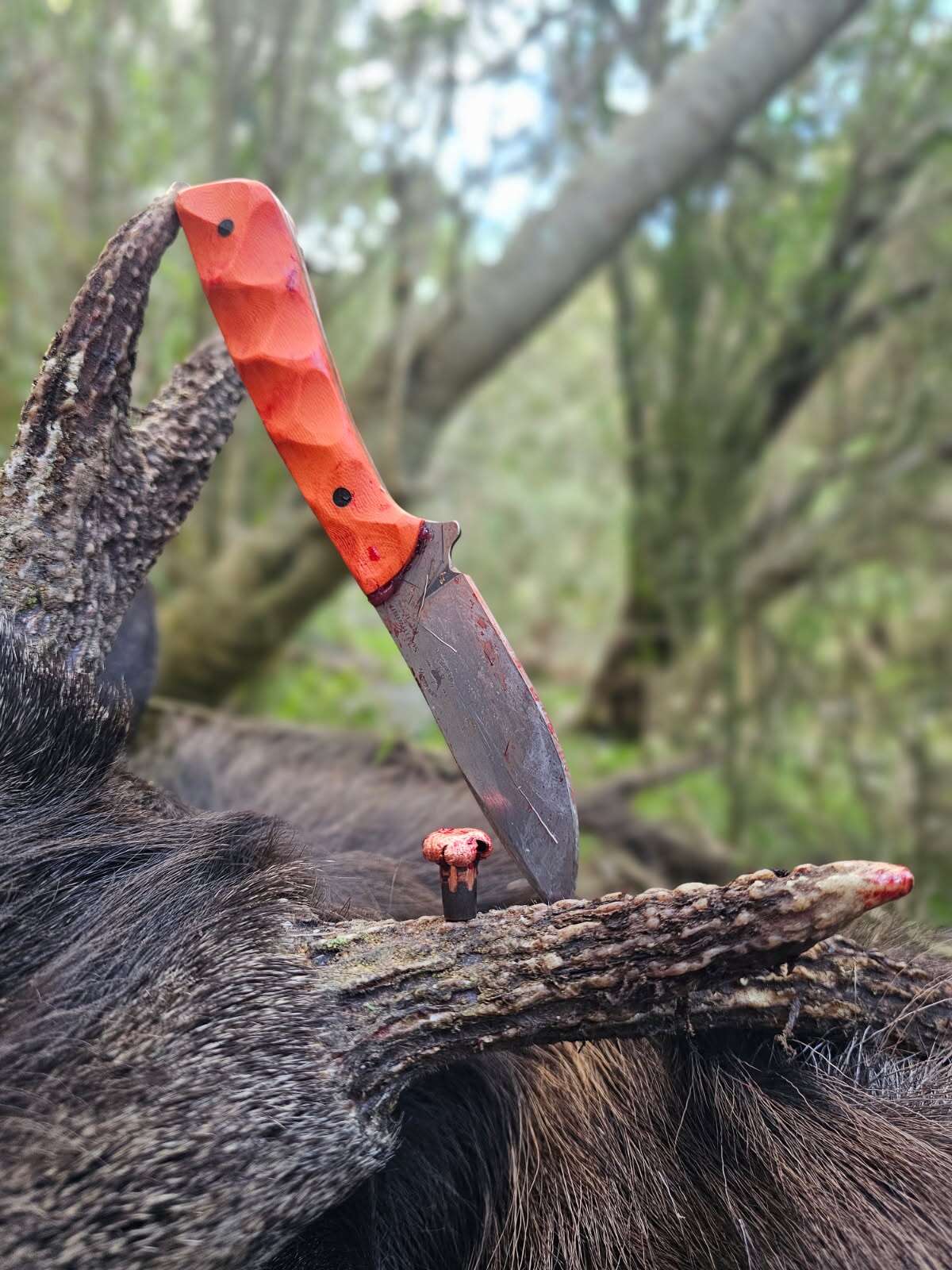
If the hollow point is open, these bullets will most likely expand in a petal like fashion. If the meplat has an insert of some description, such as a plastic tip or metal ball bearing, the projectile will more likely mushroom instead. Petals can break off at high velocities. A fully expanded mushrooming bullet is less likely to do that, as it is prevented from doing so by uninterrupted perimeter tension.
Yet another issue relating to pressure reduction technology has also been addressed by this technology. Multiple bands have been replaced by shank shape manipulation which simultaneously seals the barrel groove dimension fully, and yet is able to displace material to the side, significantly reducing SSIP’s, and rotational drag (magnus effect), whilst allowing the designer options in drag management.
The results are significantly improved ballistic co-efficients and pressure reduction. Shank shape manipulation is really only available through the CNC process, as shank shaping is not realistically achievable in a swaging die. It would be most difficult (if not impossible) to remove the product from a standard die arrangement.
A word on bullet coatings
The idea of coating is primarily to adjust the Shot Start Initiation Pressures (SSIPs) to meet the industry standard (3,626 psi) for load development. This pressure standard was developed back in the days when cup and core products were the only products available. Cup and core bullets (because they were the standard) don’t need coating, as all firearms, case, powder, primer and cartridge development centred on this pressure standard. Also cup and core bullets obdurate; that is, they expand and contract under pressure to fill the land and groove dimensions of the barrel as it passes through. This was a real benefit when barrel manufacturing tolerances weren’t what they are today.
Late to the scene monolithics were automatically lumbered with this standard if they were to be used in existing cartridges and rifle platforms. The issue is that monolithics do not obdurate. They also have to be made ever so slightly larger than the SAAMI/CIP standard for groove dimension to prevent gas blow by. This increases pressure to various degrees depending on the bullet’s shank design and material ductility. As a result, friction modifying coatings are sometimes applied to reduce these pressures, in an attempt to meet industry SSIP expectations.
Not all monolithic products are coated, as this adds yet another layer of complexity and cost. Uncoated products often operate at higher SSIPs. Therefore, when using these products, be careful to use the manufacturer’s recommended load data if you are a handloader. Obviously, this is not a concern when using factory ammunition.
Now, like bullets, not all coatings or surface treatments are the same. There are a lot of silly factoidal conversations around this subject, mostly discussed in total ignorance. This subject is too broad to cover in any depth in an article such as this, especially when so many of these proprietary compounds are ‘commercial in confidence’, and the details for which are not available to the public.
That said, however, there are three primary groups of coatings that work. Only one comes with a word of caution. Molybdenum disulfide, commonly called Moly – MoS2. Moly works well, but it can be difficult to clean out of your barrel, depending on your cleaning regimen. Fortunately, those manufacturers that apply moly coating to their bullets declare it, enabling the customer to decide for themselves. The Norma Diamond Line is one such example. The author is not aware of any other mainstream supplier using moly coated product, however, a number of manufacturers are known to use other products which come with no reservations.
Interestingly, Norma have published a couple of articles exploring the benefits of their coated bullets on barrel life. These articles claim significant barrel life improvement when using their Diamond Line products. The author is not aware of any other manufacturers making substantiated claims along these lines.
While we are on the subject of coatings; if the manufacturer has coated the product, this coating should not be removed. It is there for a reason, not decoration!
The Issue of Effective Hunting Range for Third Generation Monolithics
This is yet another of those hoary old chestnuts. The factoid is that monolithics are not effective at the same extended ranges as traditional cup and core products. This was once true, and to some extent, still is, for first generation monolithics.
Those using third generation products just shake their heads and laugh. Third generation technology allows expansion to be matched to expected range engagement, with some products intended for medium to big game expansion at velocities down to 1,400 fps.
Secondly, for those familiar with the New Mexico King of 2 Miles event would know that the overwhelming number of competitors use monolithic projectiles. Most would not know however, that those on the winner’s podium are almost exclusively using hunting projectiles!
Now for the ELR catch …
That third generation monolithics outperform cup and core products at extreme long range (ELR) is no longer in question. The caveat is that specialist rifles, with accelerated barrel twist rates, and a myriad range of supporting equipment is required. Add to this the time, training and practice required to use this gear humanely and routinely effectively, it’s not for everyone. Few have the money to invest in such platforms, and fewer the skills to employ them. Put simply, you cannot buy this expertise in a box or boxes, and expect great outcomes first trip out.
Deluding ourselves into believing that consistent, acceptable ELR outcomes beyond 1,100 m are achievable in a standard hunting rifle requires a change in medication, requiring professional mental health intervention!
Implications of using third generation monolithics for hunting:
We have now seen how bullet structure affects terminal performance, so now we need to match the appropriate bullet to the intended game…
Traditional, legacy style cup and core bullets work just as well as they ever have on light to medium game, especially those animals susceptible to shock such as fallow and red deer.
A rutting sambar stag is another matter altogether. A rutting sambar stag, it could be argued, falls into the category of ‘you have to break them to stop them’. This is where bullet selection becomes exponentially more important, especially as we approach the minimum standards enshrined in legislation.
It should be fairly obvious that in the larger calibres (say in the 9.3 mm category and up), bullet structure is of lesser importance. A conventional 285 grain 0.366” bullet of almost any type, can be reasonably expected to do the job with a well place shot at sensible distances. (Can you hear Ken Pearce cheering?)
As we approach the minimum standard of a 130-grain bullet from a 270 however, bullet structure becomes critically more important. A frangible bullet at high velocity and short range cannot be relied upon to reach the vitals except from a perfect broadside or head/neck shot, precisely placed. Under these circumstances, ultrahigh velocity can even be more of a liability, as fragmentation becomes even more likely, limiting the bullet’s capacity to maintain momentum and penetration even further.
Besides, most of us would baulk at taking a head shot at least, on a large rutting, trophy class sambar stag. Could you even do it if it was on the run? It has been done, to be sure, but can it be relied upon when that once in a lifetime jumps up in front, and a snapshot is required?
A well-structured core bonded cup and core bullet, and more modern monolithics, offer a greater range for shot placement opportunity, with a greater margin for error. These bullets can be relied upon to fully expand and maintain their mass, maximising momentum and therefore penetration at all equivalent hunting ranges.
Such bullets and loaded ammunition are now available for almost all modern, commonly available cartridges at your local gun shop, but you have to look. Make sure you get what you need, not just tick the box of meeting the legal minimum legislated requirement.
We must also understand here however, that there is no such thing as a ‘magic bullet’. Sure, some work better than others, but as the old saying goes; where you hit it, is every bit as important as what you hit it with’.
Set yourself up with the best possible chance of success, by choosing a well-made, well-matched bullet for the task, at the beginning. Why would anyone in their right mind step into the A League of hunting trophy sambar stags handicapped? Done fair, it’s hard enough as it is!


Do you want to get the last Australian Deer news, events, updates & competitions directly to your inbox?
Enter your name & email below and we'll make sure you're the first to know!


