Three delegates from Australia attended, David Grounds and myself, as Joint Masters of the Findon Harrier Hunt, and Jo Stubbs, Chair of the Hunt Clubs Association of Victoria. In Paris, we joined other representatives from France, Portugal, Belgium, Ireland, the United Kingdom, the USA, Canada, New Zealand and Pakistan. The meeting at the Senate dealt with how each country approaches advocacy, political representation, legislation and regulatory development and promotion.
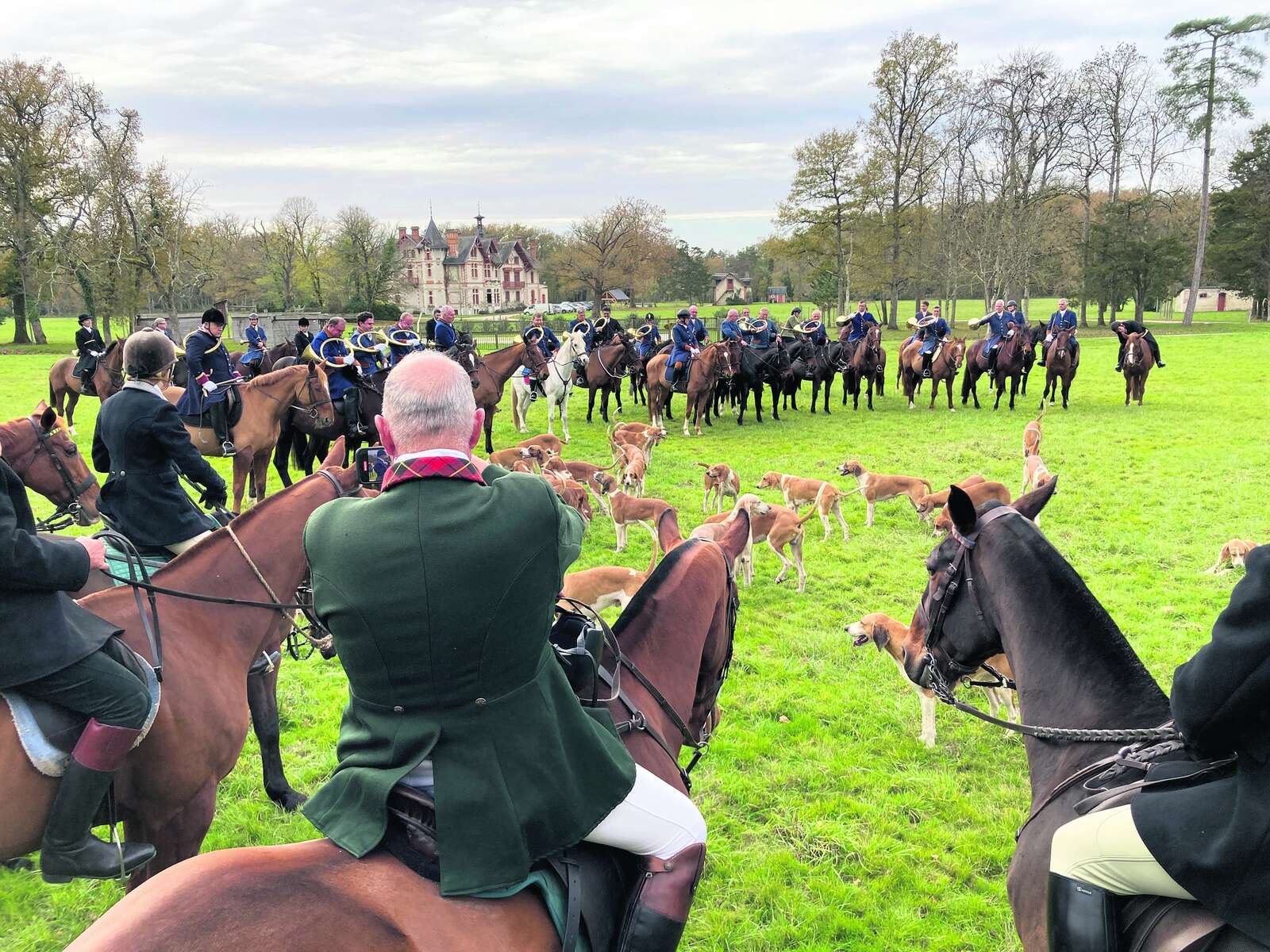
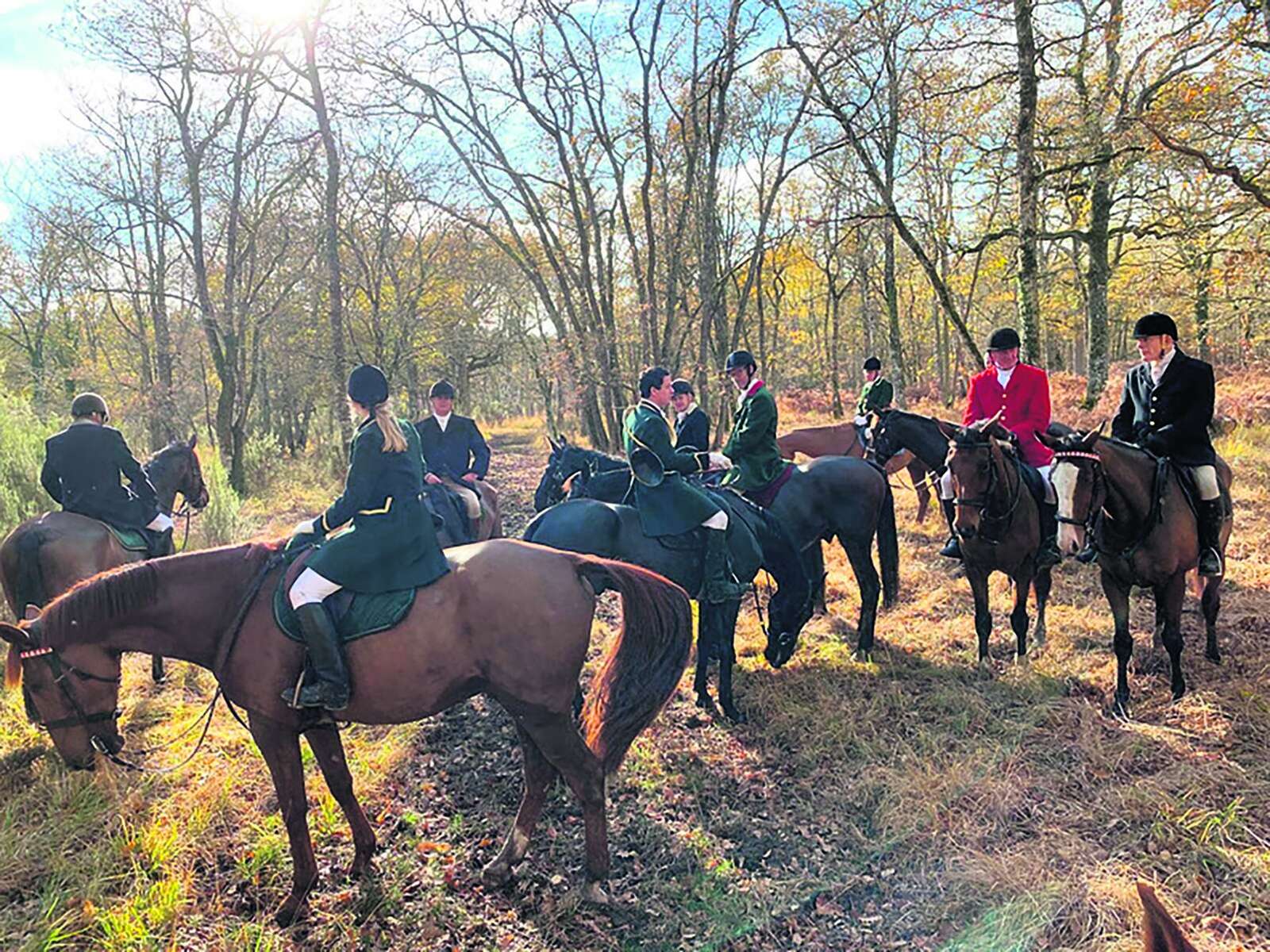
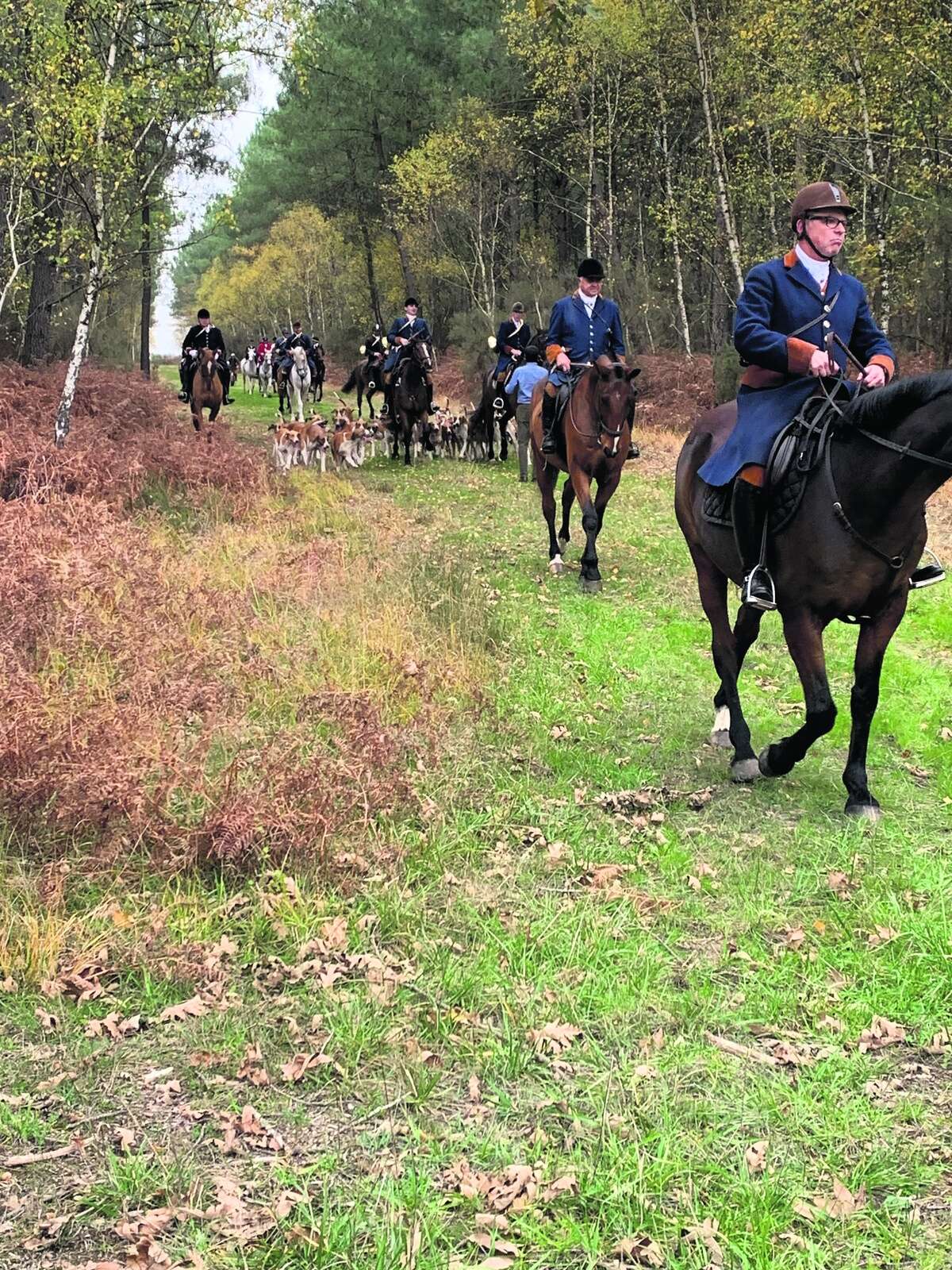
In France, there are over 350 hound packs, with 99 of those hunting deer, with hounds and horses also used for hunting boar, fox and hare, and with more than 100,000 followers. Rallye Touraine has 75 hounds in its kennels at Chateau La Trigaliere. On both hunts, the field comprised over 60 riders following more than 30 hounds. On the first day, a Friday, there were over 150 people following the hunt on foot, bike or in cars, however on the Saturday over 350 people were following the hunt.
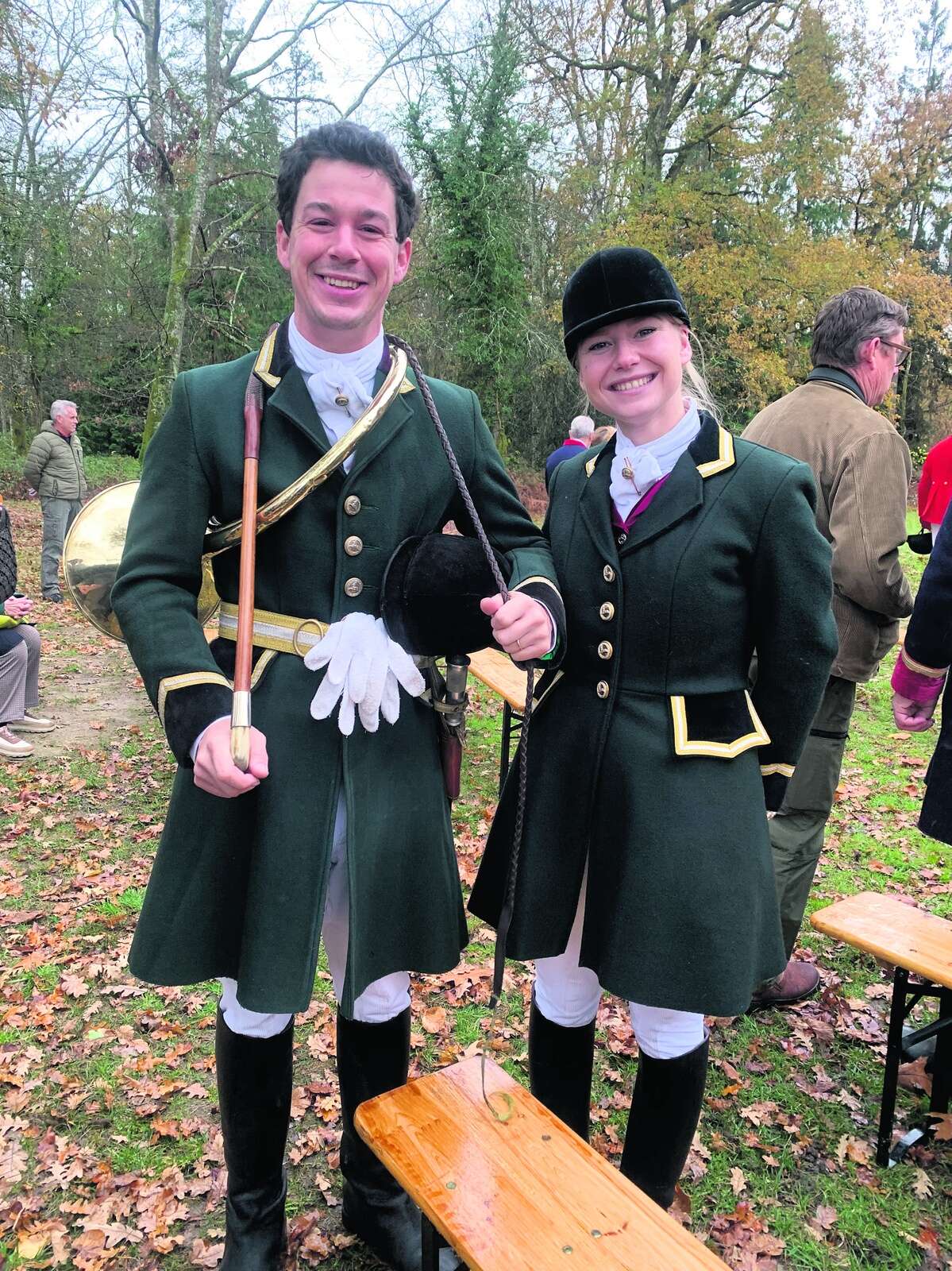
Maintaining the traditions associated with hunting is taken very seriously in France, with over 40 of the riders carrying horns, and not just for show either. The horns are in constant use throughout the hunt, with different brief tunes used to describe what is happening at any stage. This includes when the hounds are on a scent, how many, whether it’s a stag or hind, if the scent is lost, hounds out of bounds, the direction the deer are heading, north, south, east or west, if the deer can be seen or was lost, and so on. This makes for a surreal experience, hunting horns sounding across the forest throughout the afternoon and, if you are in the know, making following the hunt much easier, natural obstacles excepted. For me, however, I was tagging along with Henri and Margot de Bordas, who were excellent guides and willingly interpreted the tunes for me. In addition, and in keeping with the maintenance of tradition, about half the members of the hunt were wearing short swords, which are used to dispatch the quarry. On day two, Henri was in position to dispatch the roe stag, which he did very cleanly.
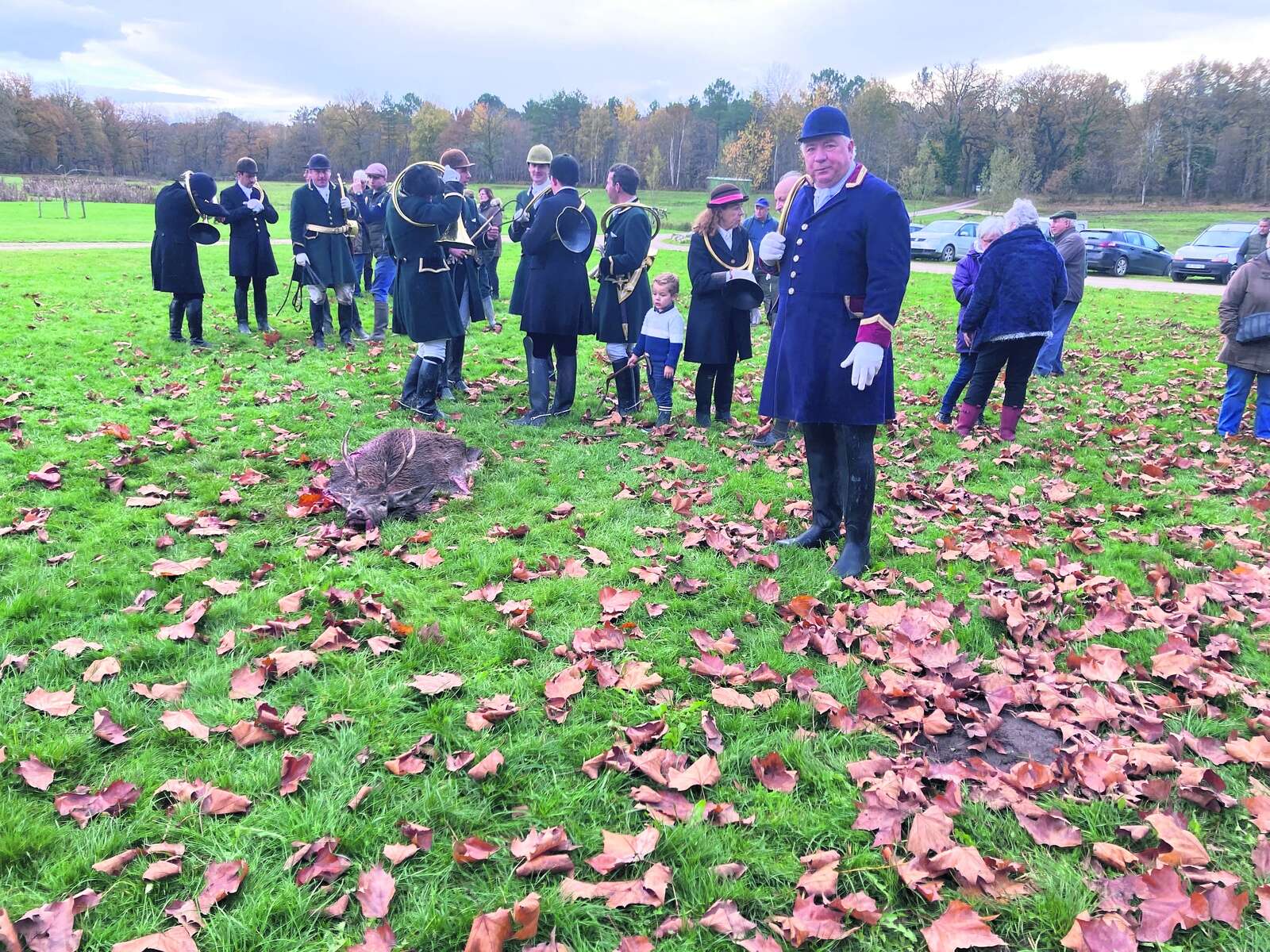
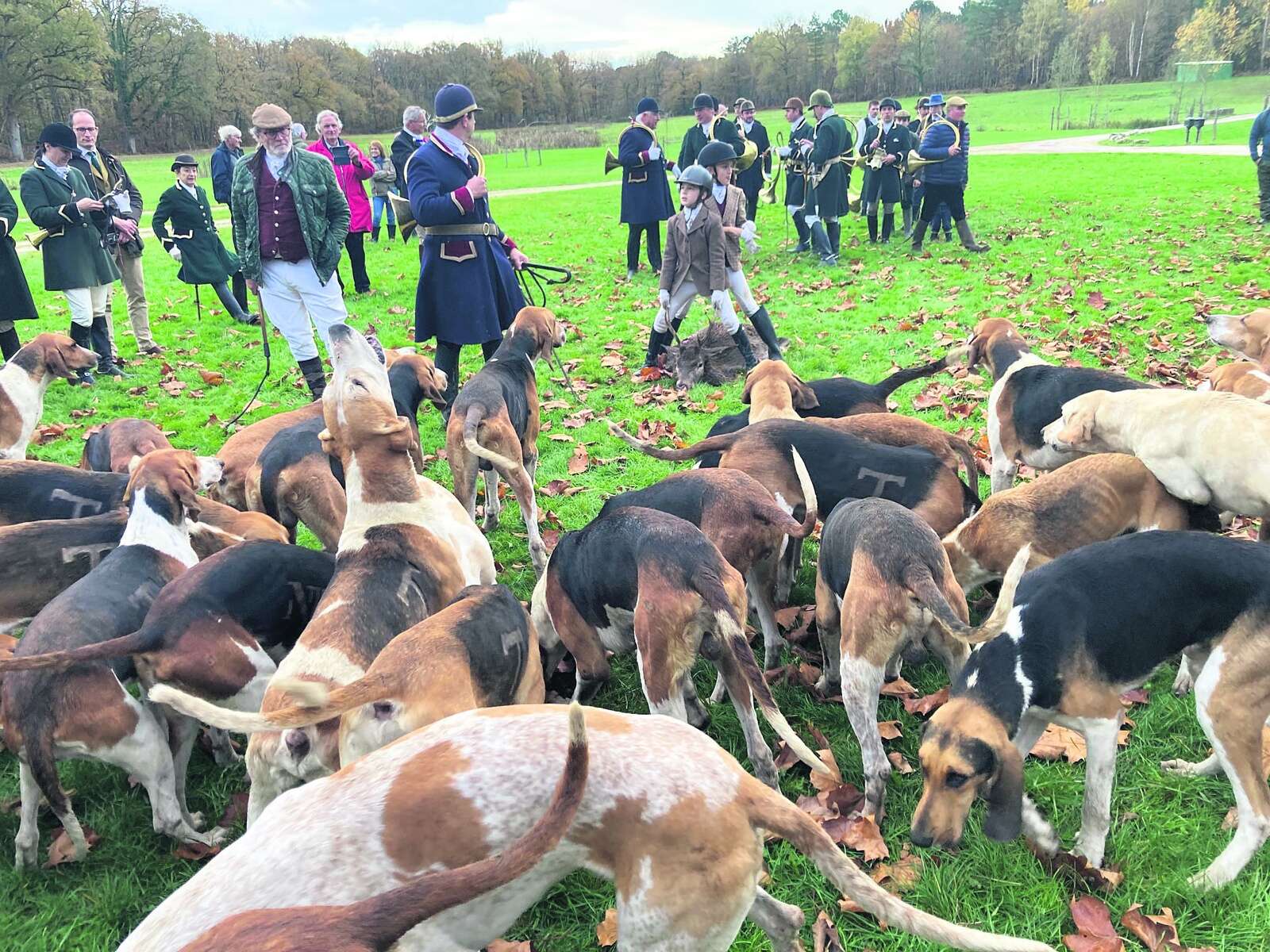
At the end of the hunt, back at the kennels, after the carcass had been skinned and before being given to the hounds, members of the hunt gathered and recounted the hunt on their horns. This was done by stringing the musical calls made during the hunt into a single piece, “the hounds have got a scent”, “heading north”, “sighted two”, “hinds”, “calling off the pack”, “heading west”. While the horn playing was going on, the children who had been on the hunt were given the task of guarding the carcass, and those who were younger and not yet riding, after being shown how to roll the whip, also assisted.
At the end of the recounting of the hunt, the skin and head were lifted from the stag and the hounds given the carcass as their reward for the day. The average hunt distance is around 40 kilometres on horseback, and the hounds are no doubt doing more, so they definitely earned their reward.
WIN TIKKA T3X LITE + BURRIS SCOPE
With firearms reforms actively underway across Australia, representation for deer hunters matters more than ever.
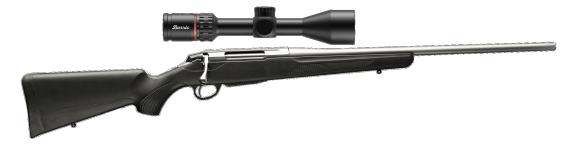
Join the Australian Deer Association during the campaign period and support experienced representation for deer hunting.
One new or returning member will be drawn to win a Tikka T3X Lite Stainless with a Burris scope.
Membership Benefits Include:
✓ Advocacy - Real Wins on the Ground
✓ Firearm & Public Liability Insurance
✓ Protect Public Land Hunting
✓ Education & Community
Proudly supporting the Australian Deer Association